
Israel’s Election Exit Polls Show Tight Race Between Netanyahu and Eisenkot Blocs
Exit polls released after Tuesday’s vote indicate the Likud-led coalition and the opposition bloc led by Gadi Eisenkot each hold roughly 51 seats in the 120‑member Knesset, leaving both short of a governing majority.

Exit polls released after Tuesday’s vote indicate the Likud-led coalition and the opposition bloc led by Gadi Eisenkot each hold roughly 51 seats in the 120‑member Knesset, leaving both short of a governing majority.
The story
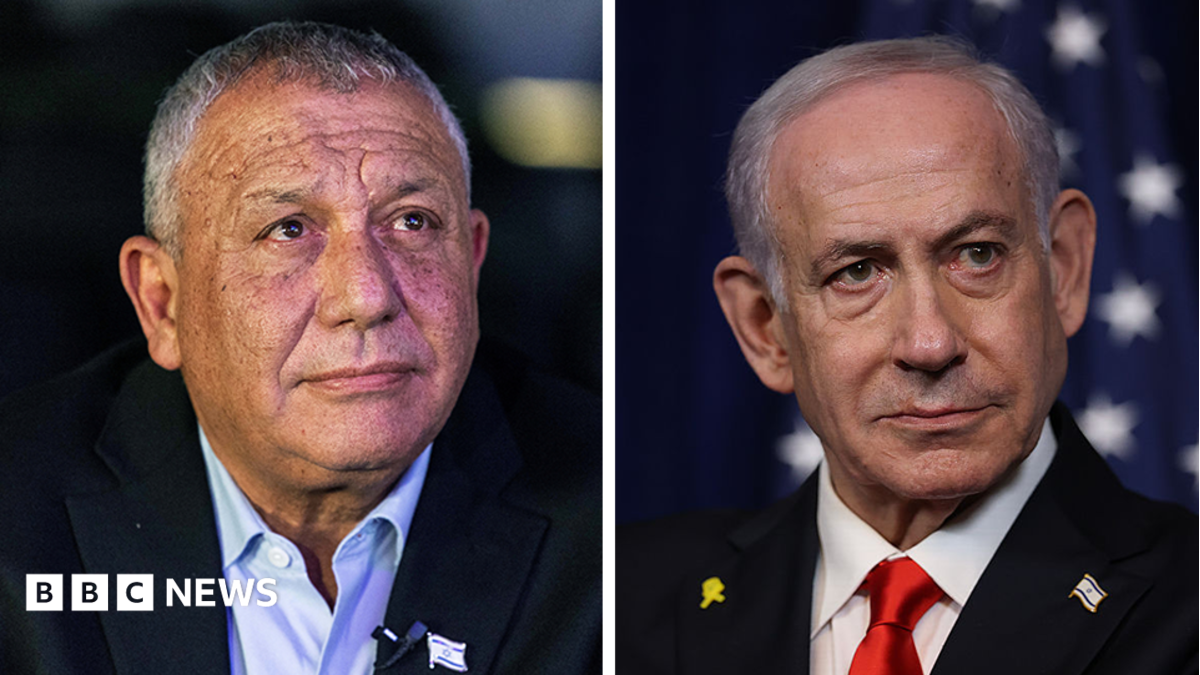
Preliminary exit‑poll data released by Israeli television networks on Tuesday night projected that Prime Minister Benjamin Netanyahu’s Likud‑led coalition and the opposition bloc headed by former chief of staff Gadi Eisenkot each secured about 51 seats in the Knesset, well below the 61 seats required to form a government. The figures also suggested that Arab‑Israeli parties would obtain between 17 and 18 seats, giving them a potentially decisive role in coalition talks.
Opposition leaders described the projections as a setback for the incumbent government. Yair Lapid, former prime minister and leader of the opposition, said the results reflected a “crushing defeat” for Netanyahu, while Eisenkot told supporters that the early numbers showed a “complete lack of confidence in Netanyahu and the October 7 government,” according to AFP. Arab party leaders, including Mansour Abbas of the United Arab List, emphasized their intention to influence the formation of any future coalition.
Netanyahu’s camp responded that the exit‑poll numbers were preliminary and could change as final counts are completed. Foreign Minister Gideon Saar, a close ally of the prime minister, posted on social media that Likud remained the largest single party and cautioned against premature conclusions. Both sides acknowledged that the president, Isaac Herzog, will consult party leaders before designating a candidate to attempt to build a governing coalition.
A closer look
The election saw a record voter turnout of 77.7 percent, according to the Central Elections Committee, reflecting high public engagement after a campaign dominated by security concerns following the October 7, 2023 attacks. Analysts note that Israel has never seen a single party win an outright majority, making coalition negotiations a standard but often lengthy process.
With neither bloc close to the 61‑seat threshold, political observers expect weeks of negotiations involving smaller parties, including the Arab‑Israeli factions, to determine the composition of the next government. The outcome will shape Israel’s domestic policy direction and its approach to regional security issues.
Read the source reports and compare their framing:
Continue reading
Defence desk ↗
Truce begins in Ukraine city where residents ate weeds to survive
A truce has begun in the Russian-occupied Ukrainian city of Oleshky, where residents have been trapped without food, water and electricity, and have resorted to eating weeds to survive.

Algeria to deploy army units to Niger to protect economic interests
Algeria to deploy army units to Niger to protect economic interests
Turnout so far highest in decades as Israelis vote in pivotal election
Israelis vote in pivotal election with turnout at its highest in decades.