Truce begins in Ukraine city where residents ate weeds to survive
A truce has begun in the Russian-occupied Ukrainian city of Oleshky, where residents have been trapped without food, water and electricity, and have resorted to eating weeds to survive.

A truce has begun in the Russian-occupied Ukrainian city of Oleshky, where residents have been trapped without food, water and electricity, and have resorted to eating weeds to survive.
The story
Ukrainian officials and Russia's defence ministry say a limited ceasefire is being respected in the Russian-occupied Ukrainian city of Oleshky, where residents have been trapped without food, water and electricity. The truce, which was secured by US First Lady Melania Trump, is meant to allow aid deliveries and a civilian evacuation on Friday. Oleshky, along the front line in the Kherson region, is trapped on one side by the Dnipro River, which separates it from Ukrainian positions, and on the other by Russian forces.
Many residents have resorted to cooking garden weeds to survive, telling the BBC they are suffering extreme hunger and want to leave. There are concerns that the truce will not hold, with one resident saying: "I don't believe in Russia's humanity." Up to 6,000 people, including 200 children, remain in Oleshky and its surrounding areas, Kyiv believes, with only 1,700 still living in the city itself. Before the war, it was home to 24,000 people, but it was seized by Russia during the first days of its full-scale invasion in February 2022.
A closer look
Conditions have become so desperate that not only is getting supplies into the city extremely difficult, but escape is highly dangerous because the routes out of Oleshky have been mined and subject to drone attack. No shops are open, and the city has had no electricity, gas or water for three years. Pope Leo XIV appealed earlier this month to Russia's President Vladimir Putin to allow food and medical aid into Oleshky as well as a safe evacuation, and urged his Ukrainian counterpart Volodymyr Zelensky to co-operate with Moscow over a ceasefire.
One woman told the BBC she had stepped on a land mine and was currently in hospital where she had undergone two operations. "I don't know how long I will have to spend there," she said, worried about not being able to join the evacuation. Many told the BBC last month there is only one hospital partially operational, opening a few days a week to perform critical amputations.
This report presents the named publisher’s account and has not yet been independently corroborated.
Continue reading
Defence desk ↗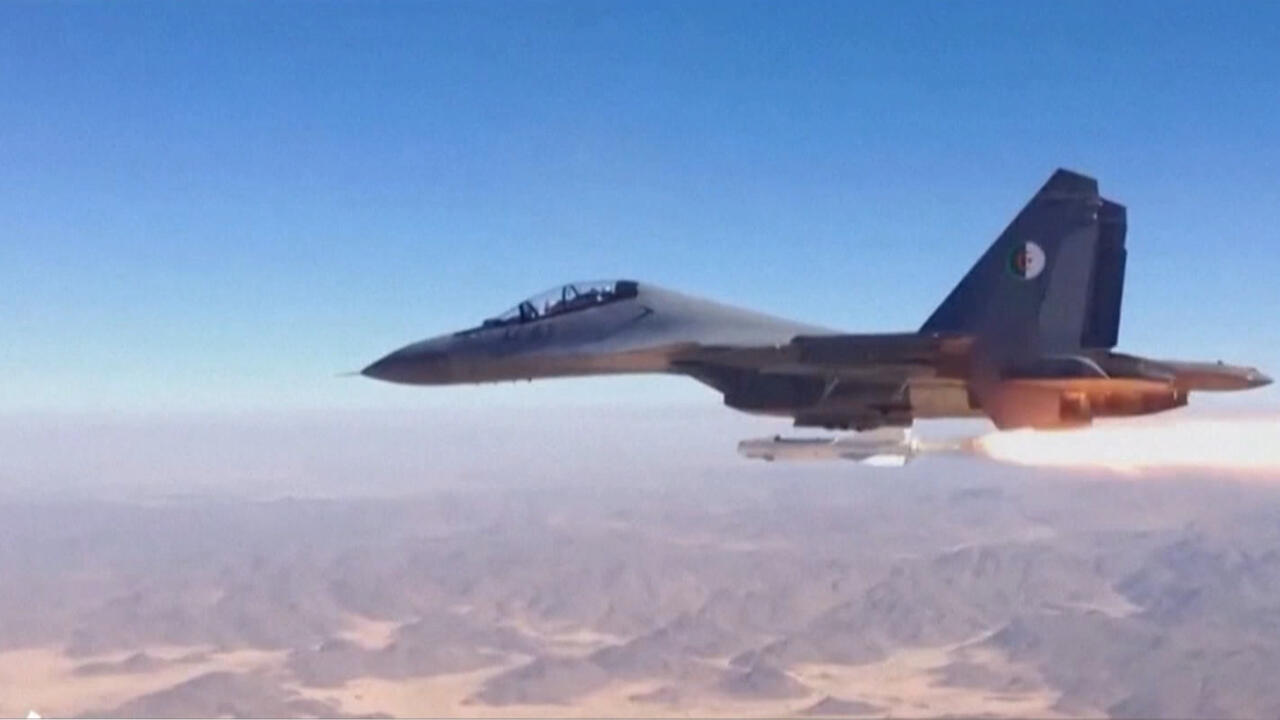
Algeria to deploy army units to Niger to protect economic interests
Algeria to deploy army units to Niger to protect economic interests

Turnout so far highest in decades as Israelis vote in pivotal election
Israelis vote in pivotal election with turnout at its highest in decades.
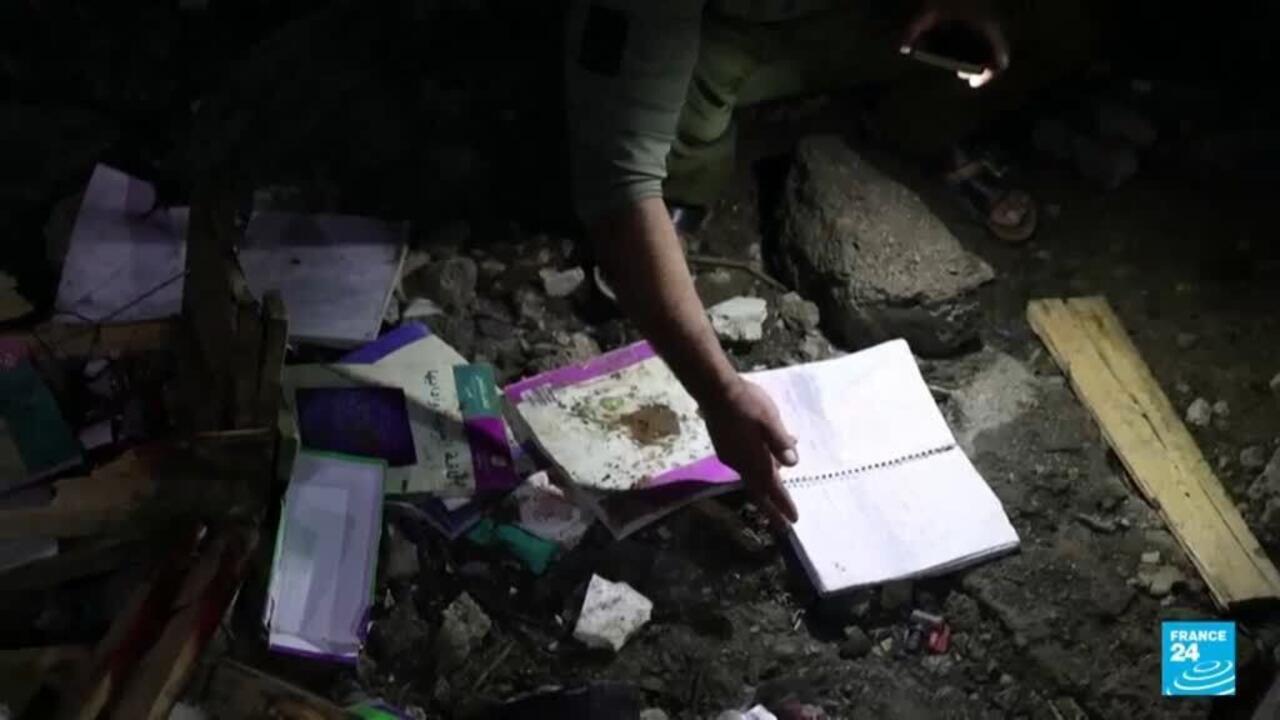
Jordan launches airstrikes in Syria after church attack
Jordan launches airstrikes in Syria after church attack, killing at least six people, in retaliation for the killing of nine people in a Greek Orthodox church in Karak, Jordan.