
New Study Examines Ecotourism Impact on Wildlife in Northern Laos
Research indicates that medium and large mammals in a protected Laotian reserve tend to avoid areas frequented by hikers and kayakers.
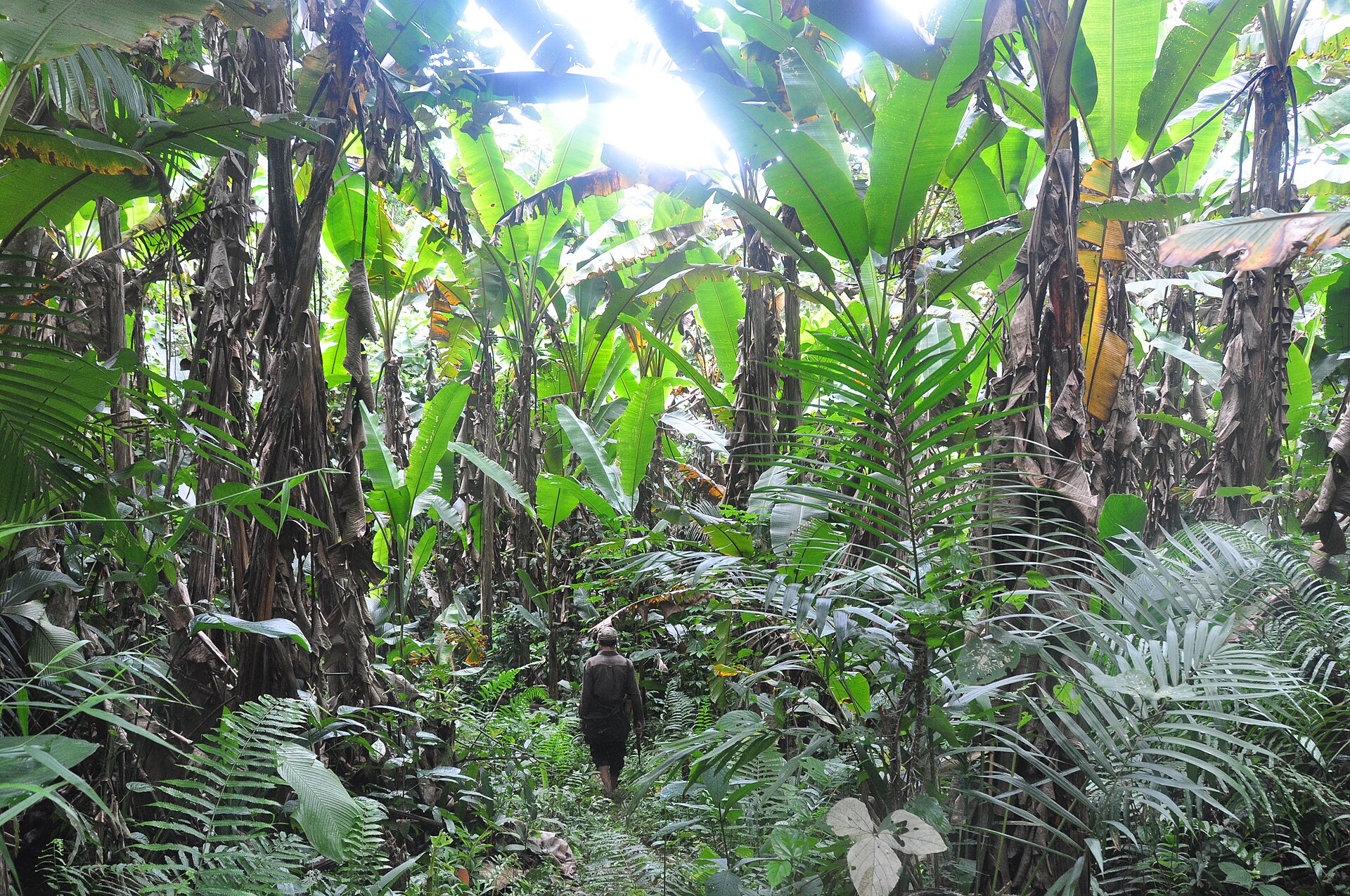
Research indicates that medium and large mammals in a protected Laotian reserve tend to avoid areas frequented by hikers and kayakers.
The story
A study published in Global Ecology and Conservation examined whether an award-winning community-based ecotourism initiative in the Nam Ha National Protected Area of northern Laos provides a safe haven for wildlife by deterring hunters. Researchers analyzed camera-trap data collected between 2013 and 2019 across 59 sites within tourism hotspots and remote forest locations to determine the impact of human presence on animal populations.
William Bleisch, the study's lead author and former program director at the China Exploration and Research Society, stated that hunting remains an integral part of local culture, encompassing both legal and illegal practices. The research team sought to discover if tourism established a refuge where residents abstained from hunting due to economic benefits or fear of being reported by guides and tourists.
Across the landscape, the camera traps recorded 45 species of medium to large mammals, which included 15 globally threatened species. Sites located near trekking trails and kayaking routes averaged 4.58 species, while locations farther away from tourism zones recorded nearly twice that number. Bleisch noted that the findings did not show a refuge effect, suggesting that animals struggle to differentiate between tourists and hunters and simply avoid areas with high human activity.
A closer look
During the period of the study, customary subsistence hunting of nonprotected species outside core conservation zones was considered legal. However, the research noted the presence of sport hunting using high-powered weapons targeting protected animals such as sambar deer and gaur wild cattle, alongside the use of wire snares. Local morning markets around the 222,400-hectare reserve featured various animals, including slow lorises, giant squirrels, and critically endangered Sunda pangolins.
Sambar deer, wild boar, and crab-eating mongoose were identified as the species most avoidant of tourism activity. Eleven additional species, including Asian elephants, golden jackals, sun bears, and leopard cats, were recorded exclusively in remote areas. Conversely, six species including marbled cats, northern treeshrews, and black giant squirrels were found only in tourism zones, which researchers suggested may be due to reduced competition and predation pressure from larger species.
Paul Ouboter, director of NeoWild, who reviewed the paper prior to publication and was not involved in the research, stated that the findings align with patterns documented in other regions globally. Ouboter co-authored a 2021 study in Suriname which similarly found that most large mammals avoided tourism areas, with jaguars and pumas shifting toward nocturnal habits to limit human encounters.
This report presents the named publisher’s account and has not yet been independently corroborated.
Continue reading
Business desk ↗
Digital Genetic Data Debates Highlight Fair Benefit-Sharing Challenges
Negotiations at the UN Convention on Biological Diversity focus on how biodiversity-rich countries and indigenous communities can share commercial benefits derived from digital genetic sequence information.

Queensland Land Court Clears Path for Winchester South Open-Cut Coal Project
Environmental groups have fallen short in their legal challenge against Whitehaven Coal's proposed open-cut mine in the Bowen Basin, though the court recommends specific conditions prior to construction.

Spanish Rail Survivors Call for Safety Overhauls Following Deadly Collisions
Survivors of Spain's major railway disasters are demanding increased investments in safety measures following a recent fatal collision near Toledo.