
Adani Group and OpIndia Feature Again on Reporters Without Borders Predators List
Reporters Without Borders has released its 2026 Press Freedom Predators list, including the Adani Group and news website OpIndia for the second consecutive year.
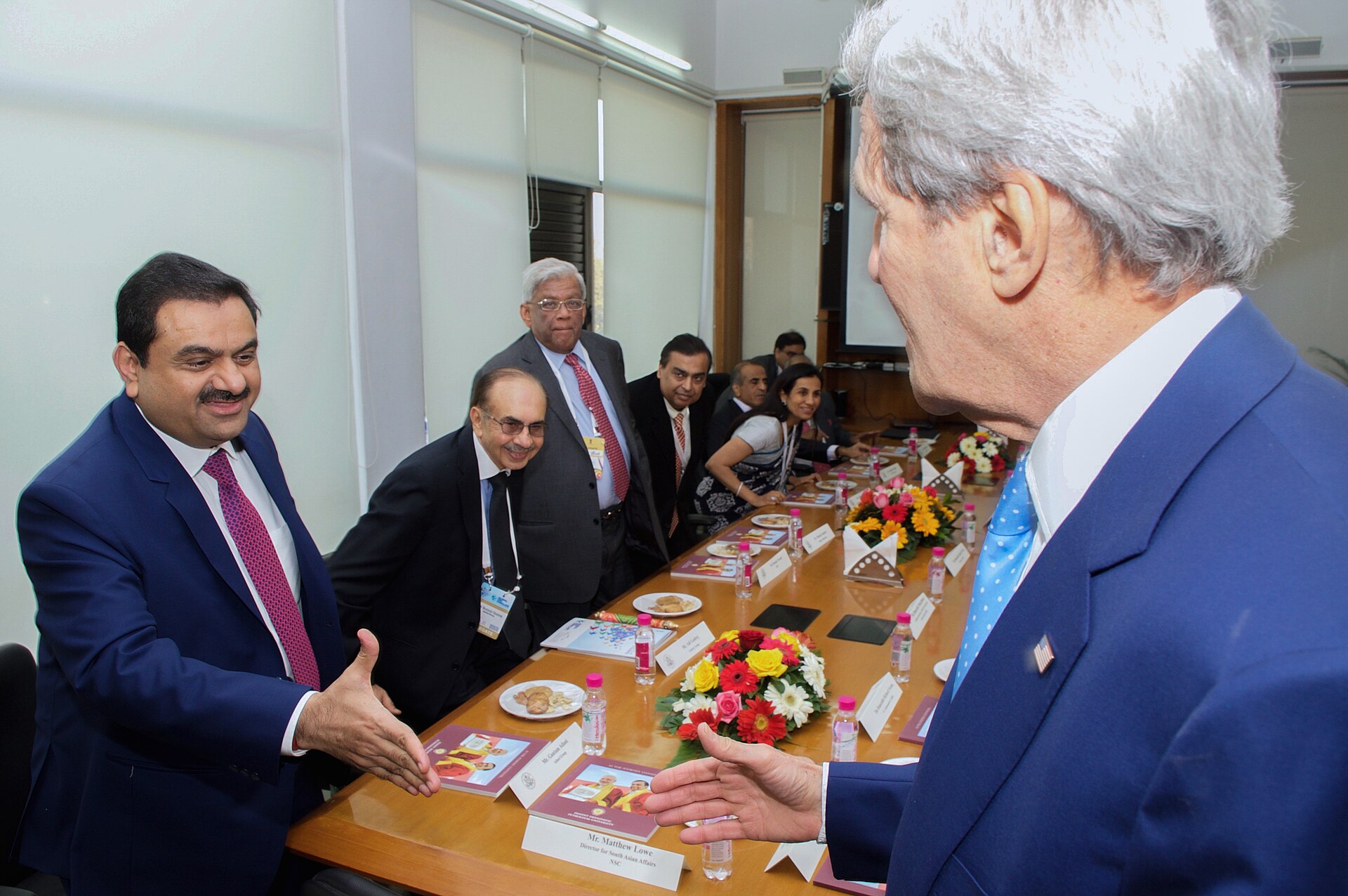
Reporters Without Borders has released its 2026 Press Freedom Predators list, including the Adani Group and news website OpIndia for the second consecutive year.
The story
The Adani Group and digital media outlet OpIndia have retained their positions on the Reporters Without Borders (RSF) Press Freedom Predators list for the second year in a row. The 2026 edition, published ahead of the International Day to End Impunity for Crimes against Journalists on November 2, profiles 33 entities globally, down from 34 in the previous year.
RSF groups the listed figures and organisations into five categories based on index indicators. The Adani Group is placed in the legal category for subjecting journalists to judicial harassment. According to RSF, the conglomerate and its subsidiaries have initiated approximately ten legal actions against more than 15 critical journalists and media outlets since 2017, combining civil and criminal defamation complaints in what the organisation describes as a systematic use of gag suits.
The report highlights the September arrest and week-long detention of investigative journalist Ravi Nair under a criminal defamation case filed by the Adani Group. Nair, who has since been released on bail, faces three defamation lawsuits related to his reporting and social media commentary about the business conglomerate. RSF notes that journalists across India are currently navigating 11 ongoing civil and criminal proceedings regarding their coverage of the group.
A closer look
OpIndia appears in the social category for tactics involving media smearing and the promotion of distrust toward journalists. RSF characterizes the Hindutva-aligned website as notable for attacks on independent journalism, alleging it casts reliable news organisations as part of a liberal media cartel and uses online coordination to amplify hostility. The report details instances where critical reporters were labelled as propagandists or aligned with foreign interests.
Among the specific incidents cited by RSF from 2026 is an OpIndia profile of Norwegian journalist Helle Lyng following her criticism of Indian Prime Minister Narendra Modi's approach to press questions in Oslo. RSF states that the profile contributed to a coordinated online harassment campaign against the Dagsavisen journalist.
Thibaut Bruttin, RSF director-general, acknowledged that the publication is subjective while maintaining that it identifies leaders and organisations demonstrating clear intent to target media personnel. The broader 2026 index includes various international figures and places India 157th out of 180 countries in the World Press Freedom Index.
Continue reading
Politics desk ↗
Cricketer Asa Tribe Barred From England Lions Tour Following Kenya Visit
Glamorgan batsman Asa Tribe has been prevented from joining the England Lions squad in St Kitts and Nevis due to local entry restrictions following an Ebola outbreak in Kenya.

Kimi Antonelli Wins F1 World Championship, Sets Multiple Age Records
The 20‑year‑old Italian driver clinched the title with a third‑place finish in Mexico City, becoming the youngest champion and the first driver born in the 21st century to win the sport’s top honour.

Michigan Democratic Primary Rival Haley Stevens Endorses Republican Mike Rogers in Senate Race
Congresswoman Haley Stevens has endorsed Republican Mike Rogers following her defeat in the Michigan Democratic Senate primary, prompting staff resignations and widespread party backlash.