Drying wetlands create genetic risk for southern Australia's brolgas
A genetic study has found Victorian brolgas are increasingly distinct from northern birds as wetland loss narrows their habitat.
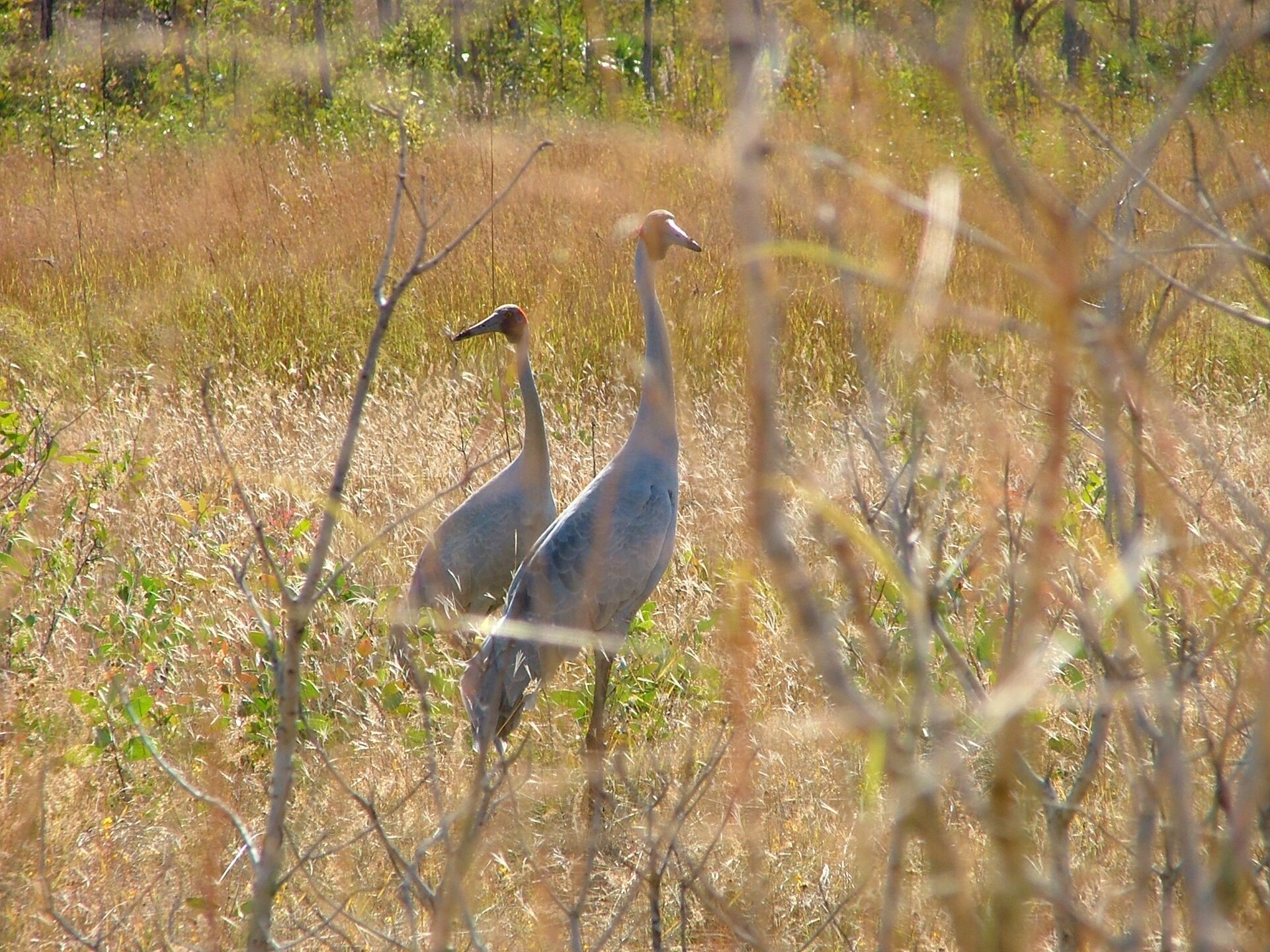
A genetic study has found Victorian brolgas are increasingly distinct from northern birds as wetland loss narrows their habitat.
The full report
A new genetic study has sharpened concerns about the future of brolgas in south-eastern Australia. Macquarie University researchers found that birds in Victoria have become distinct from northern populations and show relatively little genetic variation among individuals. ABC News reported the findings as wetlands across the south-east continue to shrink or deteriorate. The study does not say the species is disappearing everywhere: northern Australian populations are described as stable, while the Victorian population is endangered.
The difference matters because genetic diversity can help a population cope with disease and environmental change. Lead researcher Abby Bryce told the ABC that wetland loss reduces the places where brolgas can feed and breed, leaving southern birds within a smaller connected landscape. Victoria is estimated to have as few as 1,000 brolgas. Climate change adds pressure to habitat already altered by drainage and land use, although the study's immediate finding is about the birds' genetic makeup.
The bird also has cultural importance on Gunditjmara Country. Gunditj Mirring Traditional Owners have supported restoration at Tae Rak, or Lake Condah, where brolgas have returned after decades. In the Southern Grampians, the Nature Glenelg Trust says restored Green Swamp has attracted large flocks. Those observations show that suitable habitat can draw birds back, but they do not by themselves prove the southern population's genetic vulnerability has been reversed.
The practical question is how much connected wetland habitat can be restored and maintained over time. Researchers and conservation groups see promising local results; the new study points to a broader risk that remains. This report is based on ABC News coverage of the research and the restoration projects, and distinguishes the study's findings from hopes for future recovery.
Reporting status
This original NewNWS report was drafted from the cited source material and passed a second evidence check. Claims that remain the account of one publisher are attributed in the source disclosure below.
This automated report presents the named publisher’s account and has not yet been independently corroborated.
Continue reading
Environment desk ↗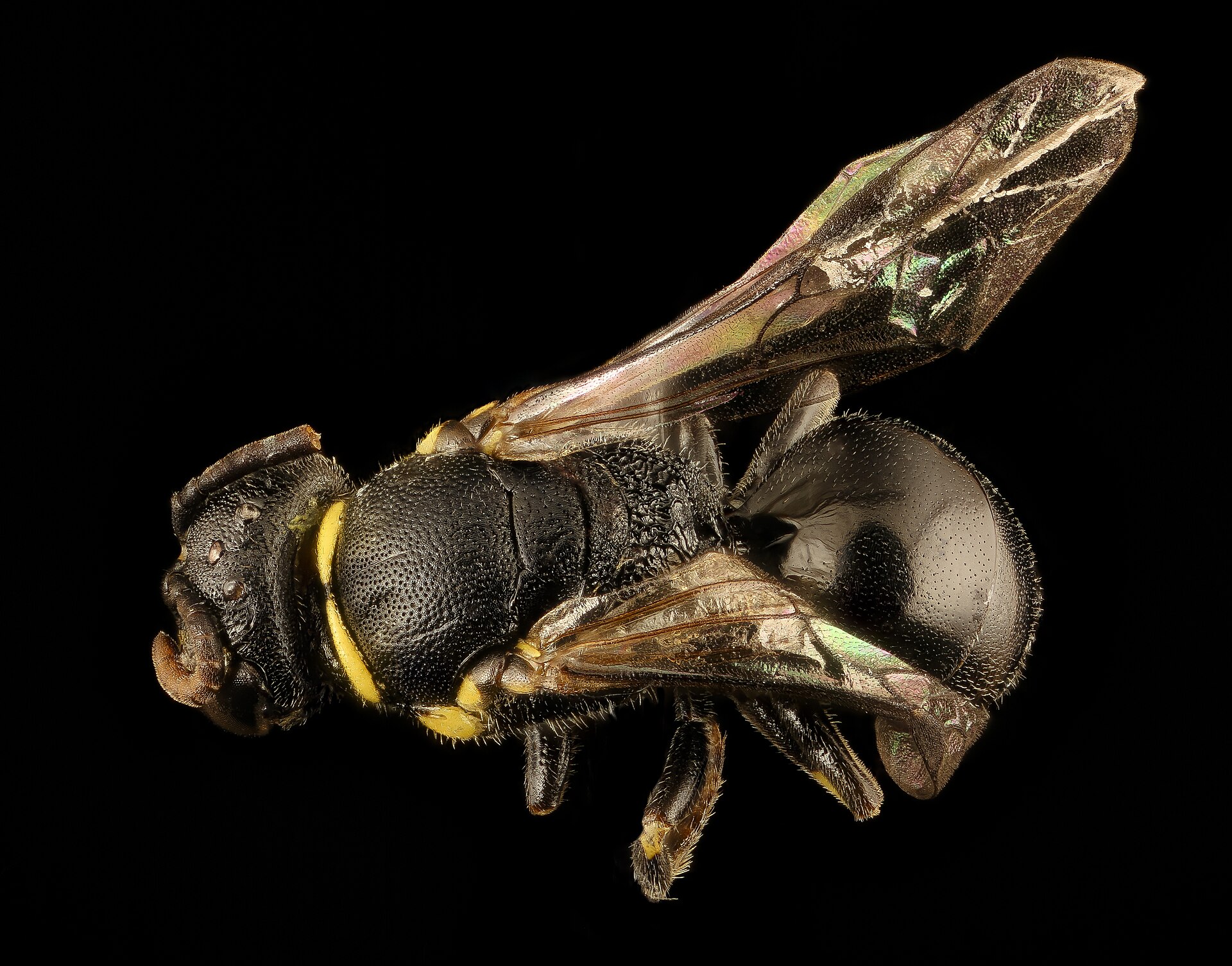
Race to stop rice-sized bee from a silent extinction
Researchers say a tiny masked bee found in Fiji may have suffered a severe historical decline soon after its formal description.
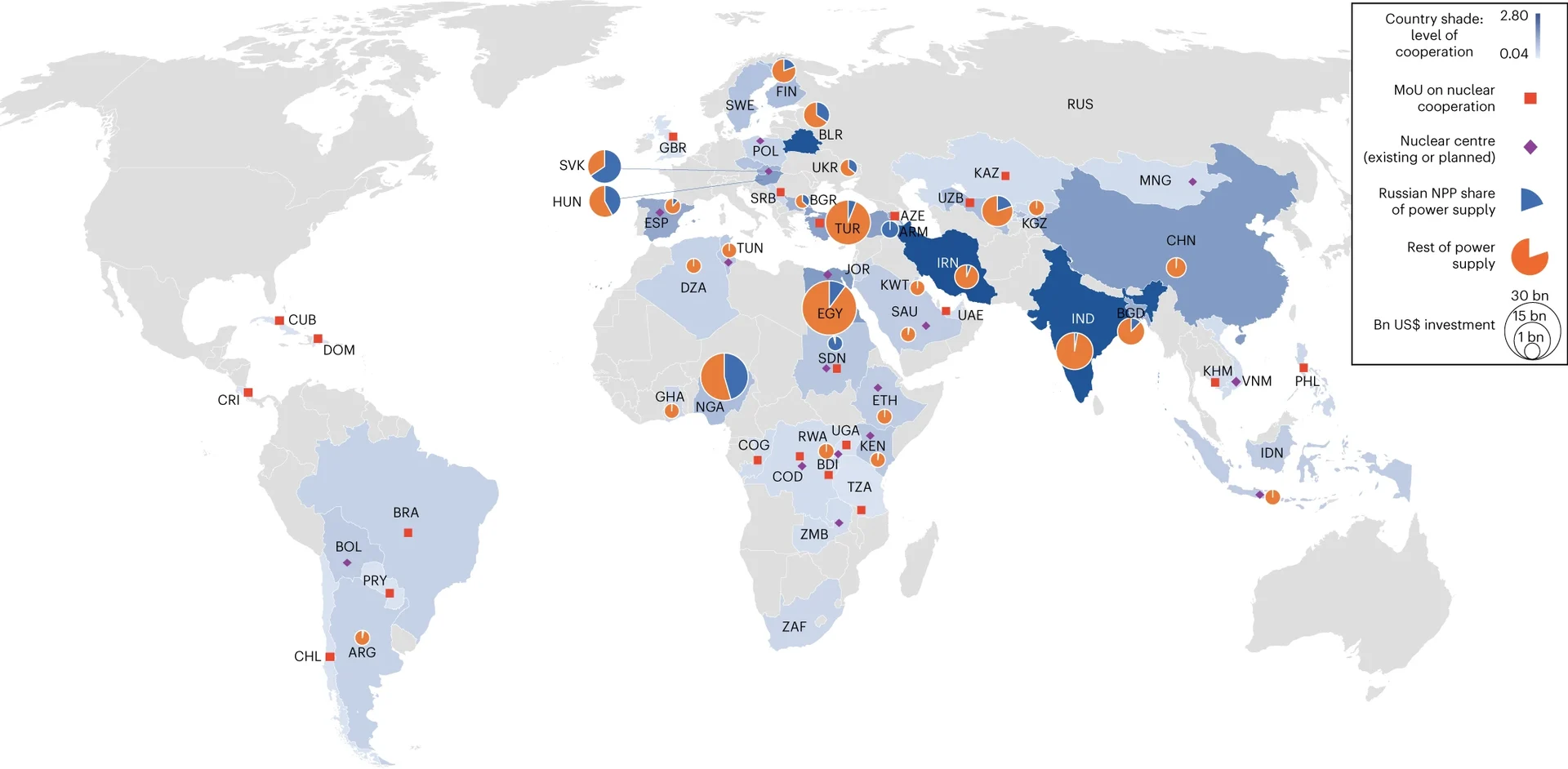
Russia’s Rosatom announces date of Bangladesh nuclear plant start
Russia's Rosatom announces start date for Bangladesh nuclear plant