
Lower Eyre Council Removes Mandatory Acknowledgement of Country
A South Australian local government body has voted to eliminate its required Acknowledgement of Country, prompting disappointment from First Nations residents and varying perspectives from elected members.
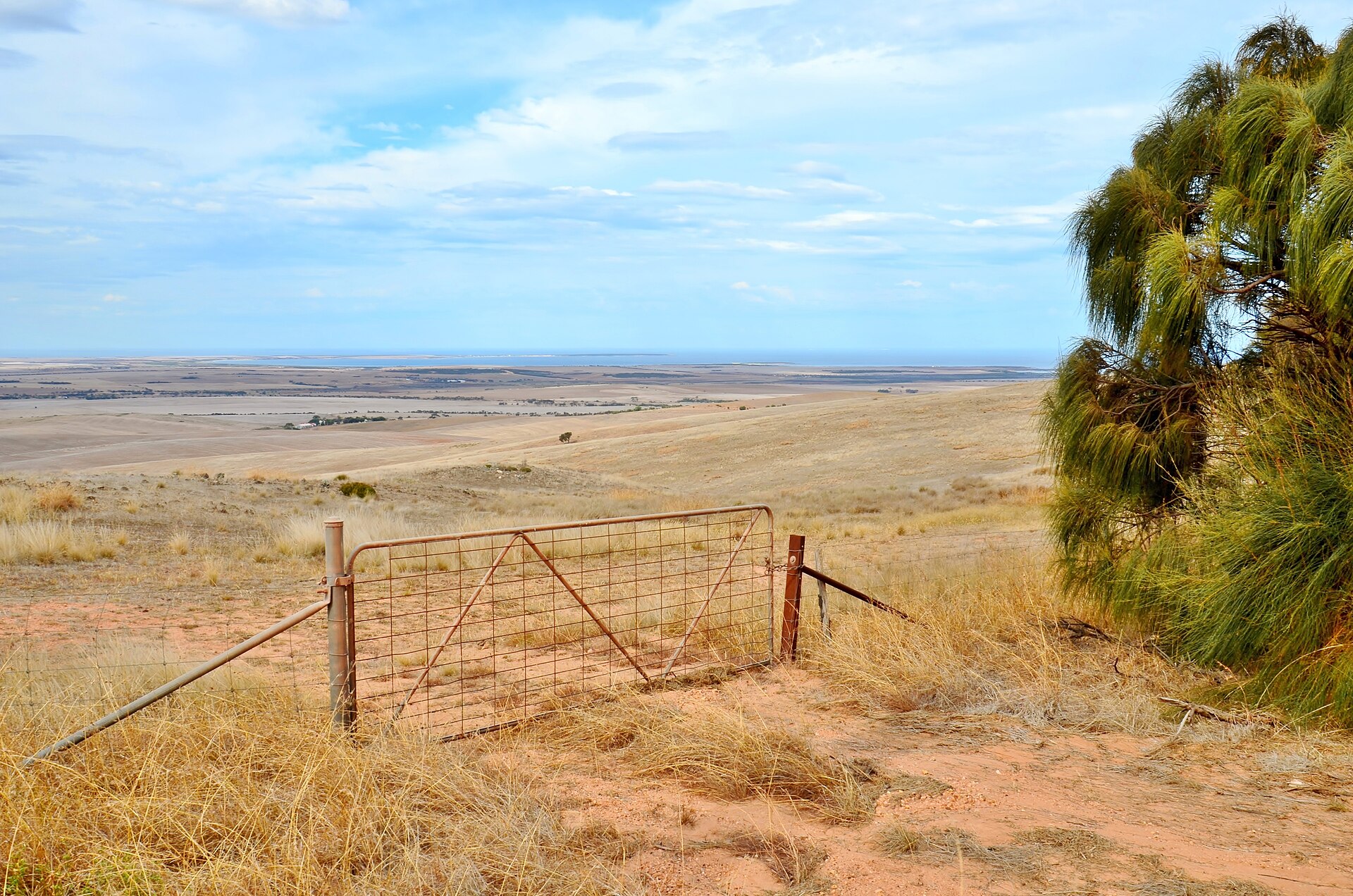
A South Australian local government body has voted to eliminate its required Acknowledgement of Country, prompting disappointment from First Nations residents and varying perspectives from elected members.
The story
The Lower Eyre Council in South Australia has voted 4-2 to remove its mandatory Acknowledgement of Country from meetings. The motion was brought forward by Councillor Neville Tresize, whose proposal stated that the ceremonial practice no longer carried its intended significance or impact.
Covering the southern tip of the Eyre Peninsula on the traditional lands of the Nauo and Barngarla people, the council area is home to approximately 6,000 residents. The decision to scrap the acknowledgement was enacted without prior consultation with local Indigenous communities.
Barngarla woman Emmalene Richards expressed concern regarding the sudden vote, describing the outcome as confronting. She stated that Indigenous people are being utilized as a political tool and warned that the measure could generate negative ripple effects following generations of work to establish the recognition.
A closer look
Elder Jody Miller, a Nauo, Wirangu and Kokatha descendant and vice-chairperson for the Nauo Aboriginal Corporation, also described the decision as sad due to the lack of dialogue with traditional owners. He emphasized that the acknowledgement serves to highlight the past, present and future presence of Aboriginal people in the region.
Following the vote, one unnamed councillor remarked that the unconsulted decision reflected the rising popularity of conservative politics rather than any direct conflict with local First Nations people. Meanwhile, Indigenous residents indicated they remain open to discussing the matter with the council.
This report presents the named publisher’s account and has not yet been independently corroborated.
Continue reading
Australia desk ↗
Phishing scams target tourists after RMS booking data breach
Travelers to Broome received fraudulent messages that referenced real reservation details, prompting warnings from hotels and a cybersecurity expert.

Severe Storms and Supercells Forecast for Parts of Queensland and New South Wales
The Bureau of Meteorology warns of potential destructive winds, giant hail, and heavy rainfall following overnight storms on the Fraser Coast.
Brisbane nurse charged with multiple rapes of elderly patients faces committal hearing
Jeremy David Pearce, 42, is accused of raping three women aged over 70 while employed at Greenslopes Private Hospital between 2020 and 2024; one alleged victim has died.