
Indigenous rappers lead six‑week music‑making program at Cobham Youth Justice Centre
Kobie Dee and Rhyan Clapham (known as Dobby) facilitated the Australian Children’s Music Foundation’s Hear Me Out pilot, guiding detained youths through songwriting and production.
Kobie Dee and Rhyan Clapham (known as Dobby) facilitated the Australian Children’s Music Foundation’s Hear Me Out pilot, guiding detained youths through songwriting and production.
The story
Award‑winning Indigenous musician Kobie Dee, a 29‑year‑old Gomeroi artist, recently spent several weeks at the Cobham Youth Justice Centre as part of the Hear Me Out, Music Behind Bars initiative run by the Australian Children’s Music Foundation (ACMF). The program is a six‑week intensive that pairs professional musicians with young people in detention to co‑write and record original songs.
Dee was joined by fellow Indigenous rapper Rhyan Clapham, who performs under the name Dobby and identifies as Filipino Murrawarri. Both artists described music as a “powerful and accessible” tool for self‑expression and a potential pathway away from destructive behaviours, citing their own experiences with addiction and the criminal‑justice system.
During the pilot, the two rappers worked directly with detained youths, demonstrating songwriting techniques, providing studio equipment, and encouraging participants to create tracks they could claim as their own. Dee noted the over‑representation of Indigenous people in youth detention and said the project aimed to offer visible role models and tangible skills.
A closer look
Participants reportedly responded positively, with Dobby observing that seeing a peer produce music inside the centre “blows their minds” and reinforces the idea that creative work is achievable. Both musicians emphasized that ownership of a finished song can foster pride and motivation for continued creative effort.
The initiative forms part of ACMF’s broader effort to use music as a rehabilitative and educational resource within the Australian juvenile justice system. While the pilot’s outcomes have not yet been formally evaluated, the artists and organisers expressed optimism that such programmes can contribute to reduced recidivism and improved wellbeing among detained youth.
This report presents the named publisher’s account and has not yet been independently corroborated.
Continue reading
Entertainment desk ↗
Carmelle clinches victory at inaugural Eurovision Song Contest Asia in Bangkok
The 19‑year‑old Filipino singer topped the first Asian edition of Eurovision with her empowerment anthem “Sobra‑Sobra,” earning 211 points.

Gilded Statue on Washington National Mall Criticizes Donald Trump's Vietnam Draft Deferment
An anonymous artist collective installed a gilded statue and an interactive mascot near the National Gallery of Art ahead of Veterans Day, prompting a critical response from the White House.
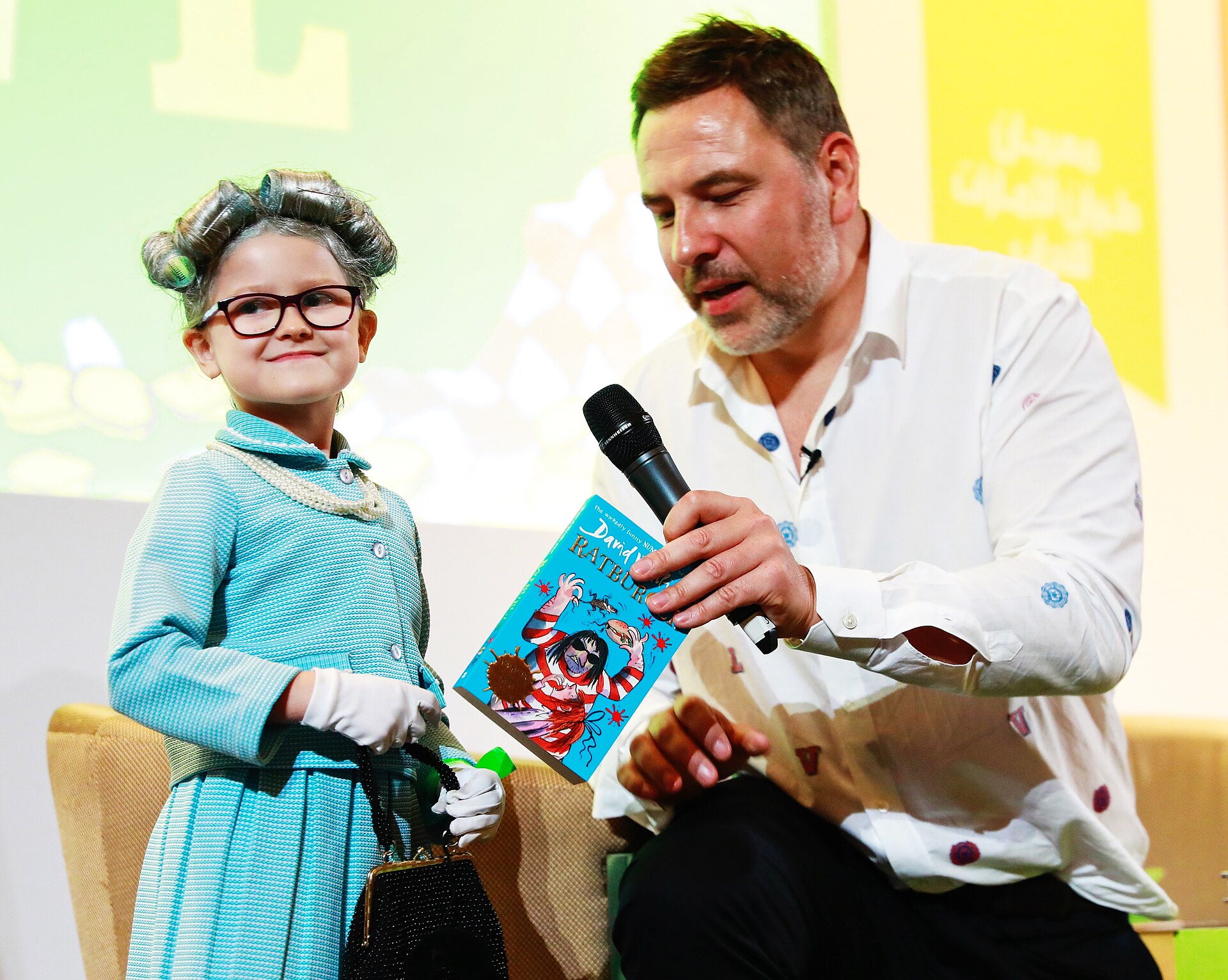
Entertainer David Walliams Faces Workplace and Fan Misconduct Claims
An investigation by news organisations alleges misconduct by the Little Britain star and former television judge, who denies the claims.