
Federal Government Identifies Eleven Australian Soldiers Who Died in World War I
The remains of eleven Australian soldiers killed during World War I have been formally identified through DNA, historical research, and archaeological investigations.

The remains of eleven Australian soldiers killed during World War I have been formally identified through DNA, historical research, and archaeological investigations.
The story
The federal government announced the formal identification of eleven Australian soldiers who lost their lives during World War I, coinciding with Remembrance Day observances. The service members, previously commemorated as unknown soldiers, will now be recognized by their individual names following extensive investigative work.
The identification process involved thorough archaeological, historical, and DNA research conducted by the Australian Army's Unrecovered War Casualties – Army team, alongside the Office of Australian War Graves and the Commonwealth War Graves Commission. Additional assistance was provided by French authorities, independent researchers, and descendants of the soldiers.
Among those identified are Lieutenant John Lyons MC, MM, MSM, of Randwick, New South Wales, who served with the Australian Imperial Force's 17th Battalion, and Lieutenant Howard Morey of Lilydale, Victoria, who served with the 58th Battalion.
A closer look
The announcement was made as the nation marked 108 years since the signing of the Armistice that ended World War I. Commemorative services took place across the country, including a dawn service at the Sydney Opera House where the building was illuminated with poppies.
Deputy Prime Minister Richard Marles stated that the soldiers served in infantry battalions, machine gun units, and field ambulance formations, noting that they made the ultimate sacrifice and that their identities had remained unresolved for over a century.
This report presents the named publisher’s account and has not yet been independently corroborated.
Continue reading
Defence desk ↗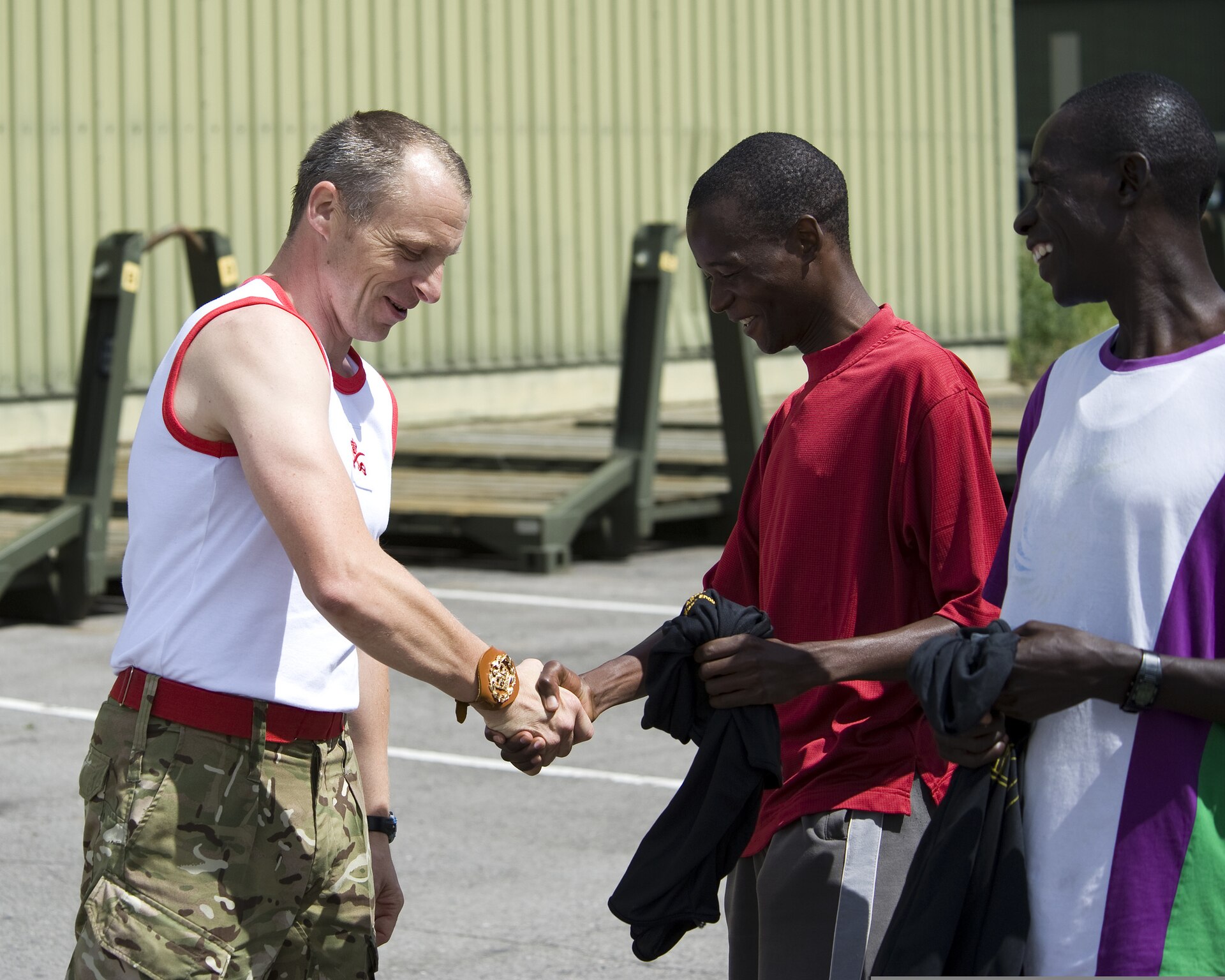
US Soldier Detained in Britain Over Suspected Russian Espionage
A 41-year-old United States military member has been arrested in southwest England by counterterrorism officers working alongside the FBI.
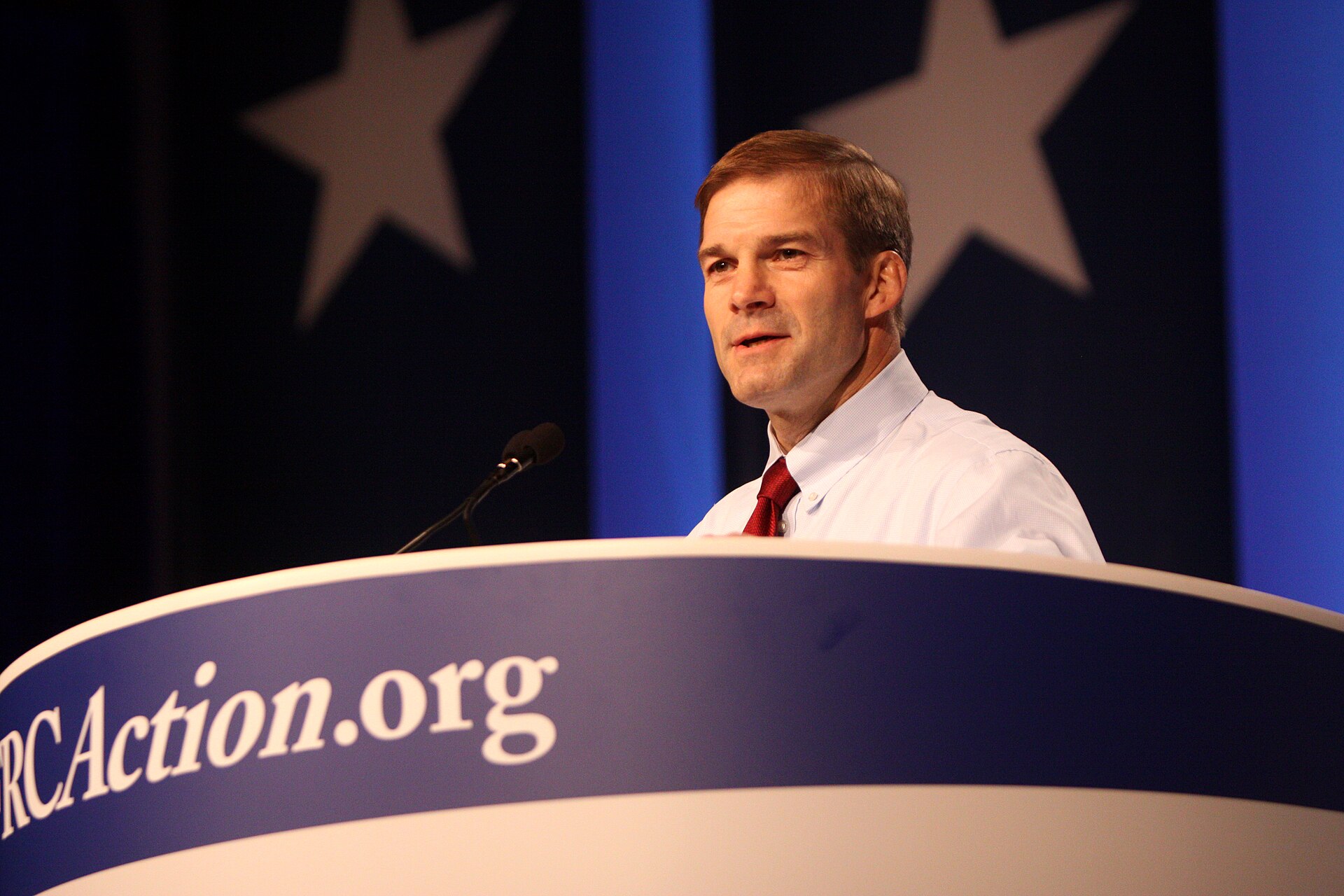
House Republicans Select Jim Jordan as Party Leader Following Midterm Losses
The Ohio lawmaker and Judiciary Committee chairman will serve as minority leader in the upcoming Congress following sweeping Democratic victories.
Comedian Russell Brand Sentenced to Decade in Prison Following Trial
Mr Justice Bennathan received praise from legal figures and campaigners for his sentencing remarks addressing rape myths and enablers.