
Trump-Putin diesel deal fractures West on Russia – ex-Austrian FM
US President Donald Trump's diesel deal with Russia has opened a rift with Europe over Ukraine.
 Daniel Fischer · Published · 2 min read
The story
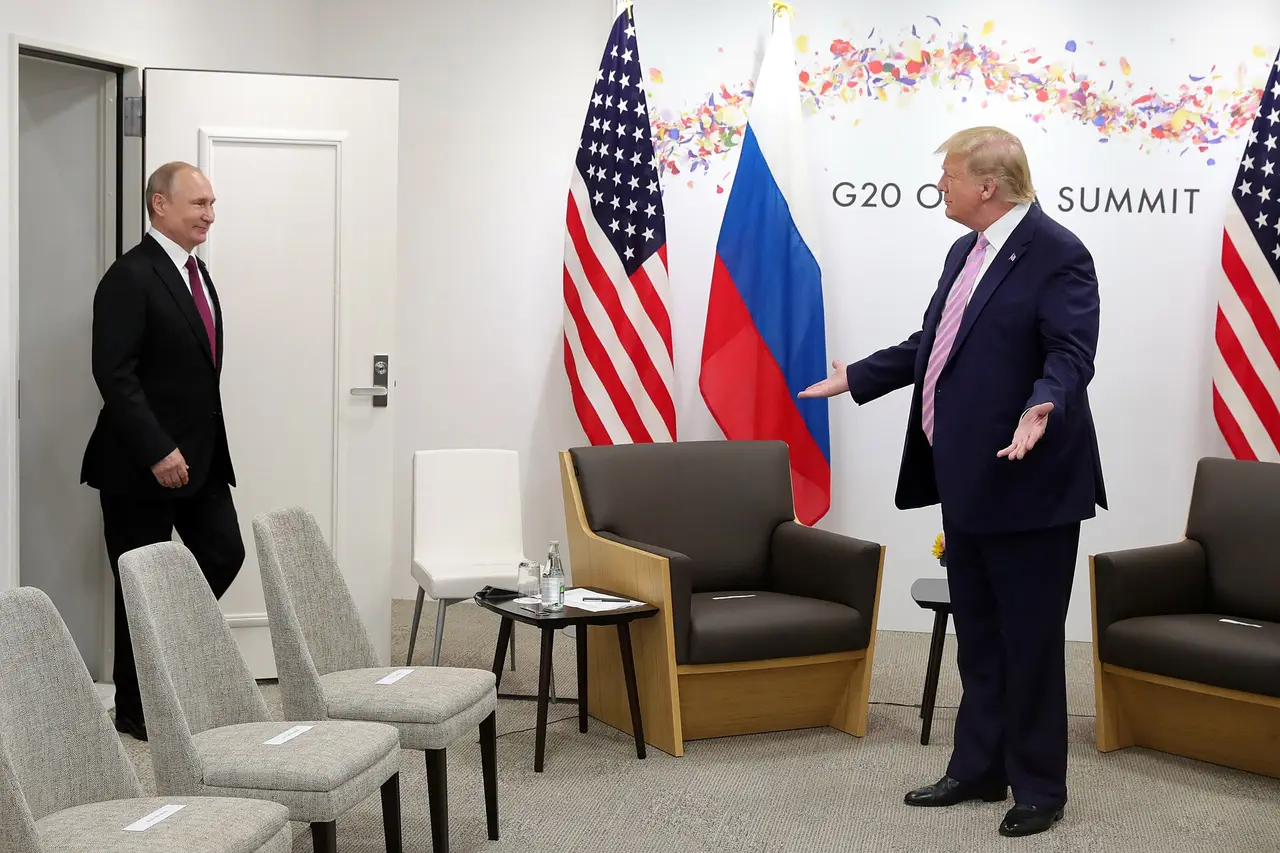
US President Donald Trump's diesel deal with Russia has opened a rift with Europe over Ukraine, according to Al Jazeera English. The deal, which aims to bring 300,000 tonnes of diesel to global markets in October, half a million tonnes in November, and a million tonnes in December, has been met with scepticism by experts.
Alexander Novak, Russian deputy prime minister, claimed that Russia can supply even more diesel to the global market than the quantities agreed with Trump. He stated that by the end of the year, Russia could reach supply volumes of 3.5 million tonnes per month to global markets, just as was the case before the crisis.
Experts believe that the US move is 'purely political' and designed to put Ukrainian President Volodymyr Zelenskyy in a corner. Trump wants to signal that the US has 'no problem with Russia', unlike Europe, according to Kostis Stambolis, executive director of the Institute of Energy for South-East Europe (IENE).
A closer look
Europe has reacted to the diesel deal by backing Ukraine, whose war funding will be 'front and centre' of this week's European Council summit, European Commission President Ursula Von Der Leyen said on Sunday. Finnish Foreign Minister Elina Valtonen on Monday called on Europeans to ban all tourist visas to Russians.
Stambolis believes that Trump was leveraging European weakness to shift its position on Ukraine. He pointed out that about 30 European refineries have closed in the past 15 years for environmental reasons, because they have to pay to emit greenhouse gases, making Europe not self-sufficient in products.
Read the source reports and compare their framing:
Continue reading
Politics desk ↗
United States Proposes New Tariffs on 14 Trading Partners Citing Excess Capacity
The Trump administration has proposed targeted tariffs on 14 trading partners and the European Union, utilizing Section 301 of the Trade Act of 1974 following a federal investigation into manufacturing practices.

Beijing Urges Washington to Avert Tariff Escalation Amid Fresh Trade Proposals
China has cautioned the United States against pursuing new import levies, describing overcapacity concerns as a pretext for political manipulation.
Zelensky says he learned of Trump-announced energy cease-fire from media reports
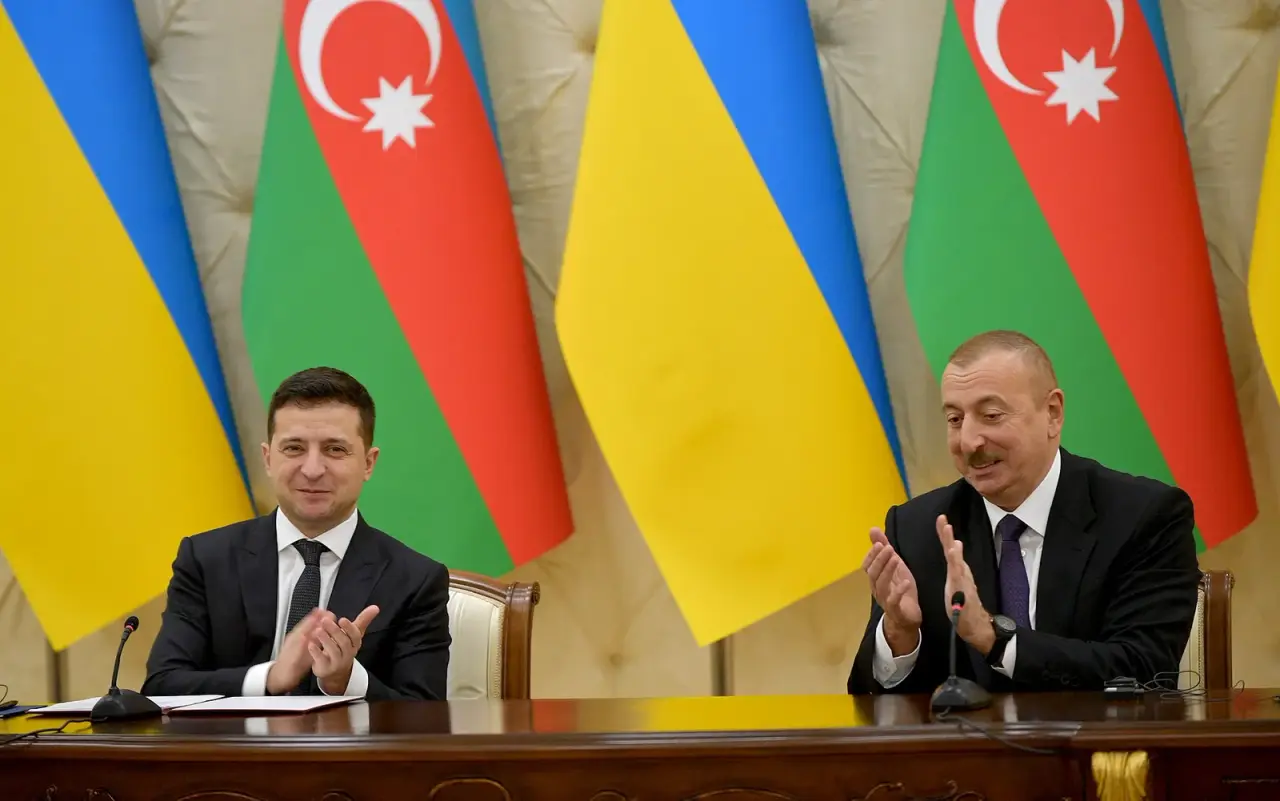
Ukrainian President Volodymyr Zelenskyy told the Warsaw Security Forum that Russian attacks on energy sites continued after Donald Trump declared an “energy cease-fire” on social media.