Trump Admin Just Effectively Killed a Popular Renewable Energy Program
Trump Admin Changes to Renewable Energy Program Leave Farmers in the Dark
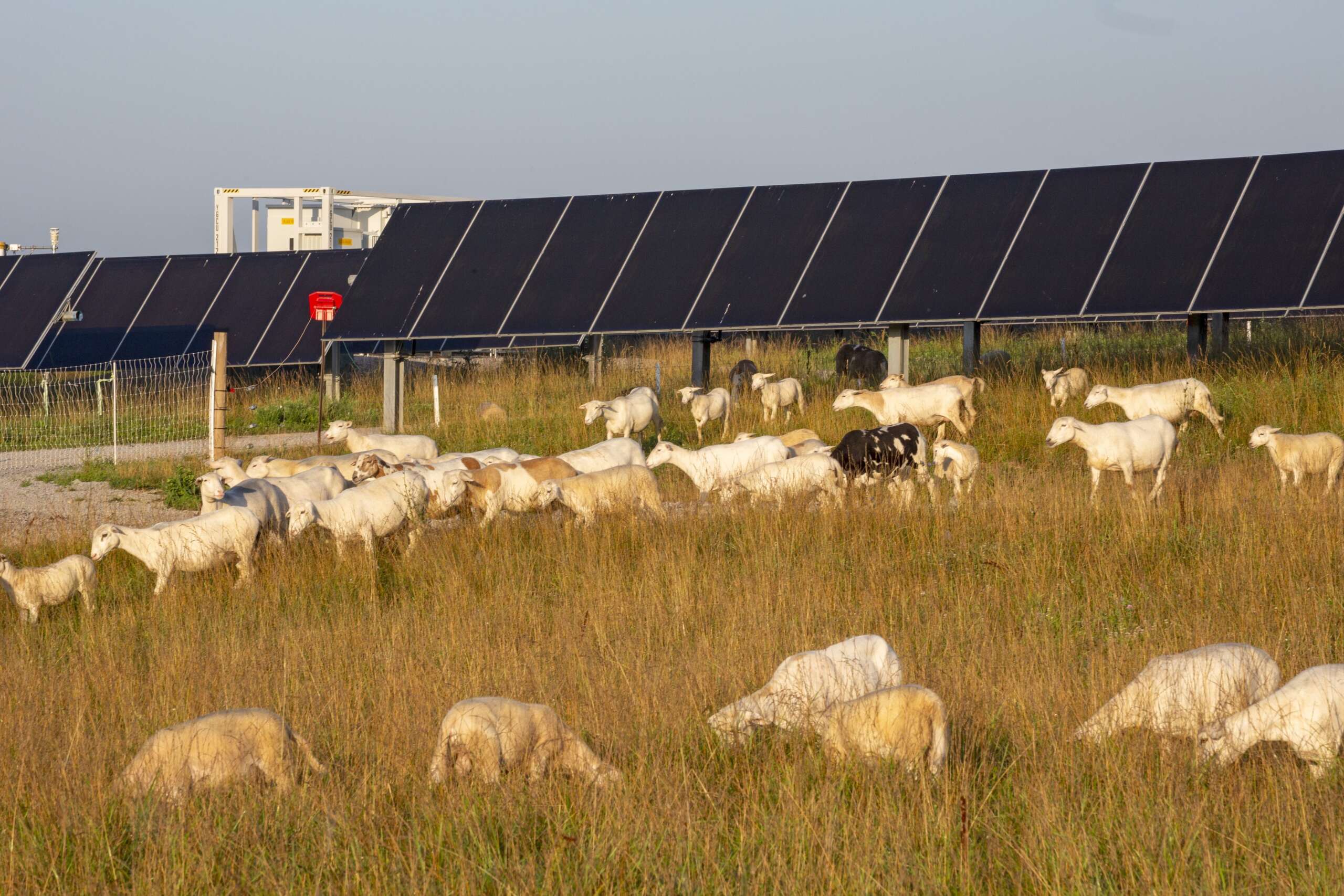
Trump Admin Changes to Renewable Energy Program Leave Farmers in the Dark
The full report
The U.S. Department of Agriculture has announced changes to the Rural Energy for America Program (REAP), a long-running program that helps farmers and rural small businesses develop renewable energy projects. The new rules, set to go into effect on October 16, make any solar power development ineligible for funding through REAP, according to Grist. This change is the latest in a series of rollbacks by the Trump administration that advocates say are making the program unusable.
The Rural Energy for America Program has long provided financial support to farmers to build out renewable energy systems on their land. These projects can help lower utility bills for agricultural producers and rural businesses by providing additional power, and farmers can also sell excess energy back to the grid. By cutting costs or padding revenue, these systems can be a lifeline for farmers facing escalating costs for things like fertilizer, fuel, labor, and seeds.
The Iowa Farmers Union, an independent organization representing family farmers, is one of the plaintiffs in a lawsuit filed against the USDA, alleging that previous changes to REAP were already harming rural communities by severely restricting solar development under the program. The lawsuit takes aim at changes made to REAP in August 2025, following an executive order by President Donald Trump stating that taxpayers would no longer 'subsidize expensive and unreliable energy sources like wind and solar.'
The lawsuit alleges that the USDA's changes to REAP violate the REAP statute and the Administrative Procedure Act, which requires agencies to show that regulatory decisions were made through careful consideration. The USDA says it is taking action to protect farmland from being gobbled up by solar systems, but farmers argue that solar gives them financial benefits that the agency has ignored.
Continue reading
Politics desk ↗
White House press secretary Zacharia exiting role after short tenure
White House press secretary Katie Zacharia exits role after short tenure

KENYA CONFIRMS THIRD EBOLA CASE
Kenya confirms third case of Ebola, a relative of a man who died earlier this month after travelling from DR Congo.
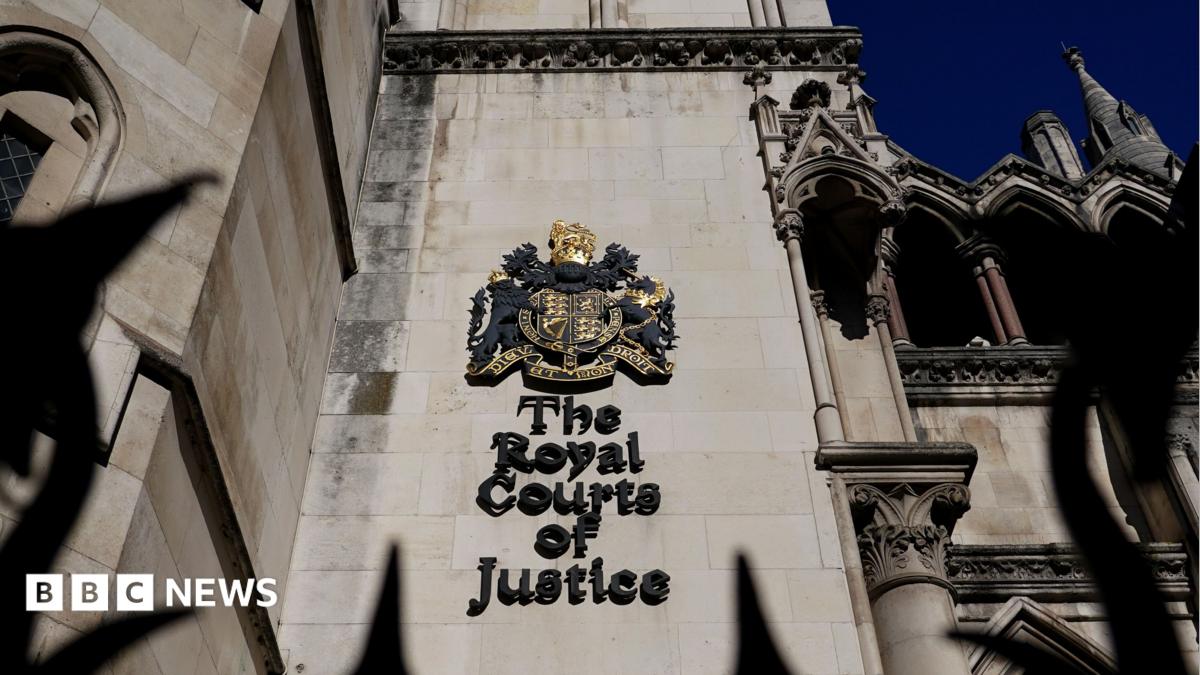
'Well-known' man asks court to stop publication of sexual offence allegation
A 'well-known' individual has asked the High Court to prevent the publication of sexual offence allegations against him.