
Analysing Unai Emery's Position at Aston Villa Amid Manchester United Speculation
Jonathan Wilson examines the contrasting states of Aston Villa and Manchester United, and why Unai Emery appears well-suited to remain with the Birmingham club.

Jonathan Wilson examines the contrasting states of Aston Villa and Manchester United, and why Unai Emery appears well-suited to remain with the Birmingham club.
The story
As Aston Villa prepares to face Manchester United at Old Trafford, attention has turned to the future of Villa manager Unai Emery. According to The Guardian, Emery has been in advanced talks to extend his current contract with Aston Villa, which runs until 2029. While elite managers often possess significant self-belief and the prospect of restoring Manchester United to past success holds a distinct allure, moving from Villa to United at this juncture represents a remarkable risk.
The Guardian notes that in nearly every aspect, from infrastructure to personnel, the modern Aston Villa is managed more effectively than Manchester United. Under the ownership of Nassef Sawiris, Villa is progressing with the construction of the new Trinity Road Stand, contrasting with ongoing stadium proposals surrounding Old Trafford. Furthermore, Villa's squad continues to take shape following multiple recent signings.
A significant factor in Emery's position is the level of autonomy he enjoys at Aston Villa.
A significant factor in Emery's position is the level of autonomy he enjoys at Aston Villa. He works alongside coaching staff of his choosing, alongside football operations figures such as president Roberto Olabe and director of football operations Damian Vidagany, both of whom he trusts and has collaborated with previously. Such a degree of alignment and personal control is rarely replicated at many other elite clubs.
Meanwhile, pressure persists at Manchester United despite a recent victory over Roma on Tuesday. According to The Guardian, the win eased immediate pressure on Michael Carrick, though questions remain regarding the club's long-term trajectory and the stability of its managerial position, recalling previous instances where temporary relief preceded leadership changes.
This report presents the named publisher’s account and has not yet been independently corroborated.
Continue reading
Politics desk ↗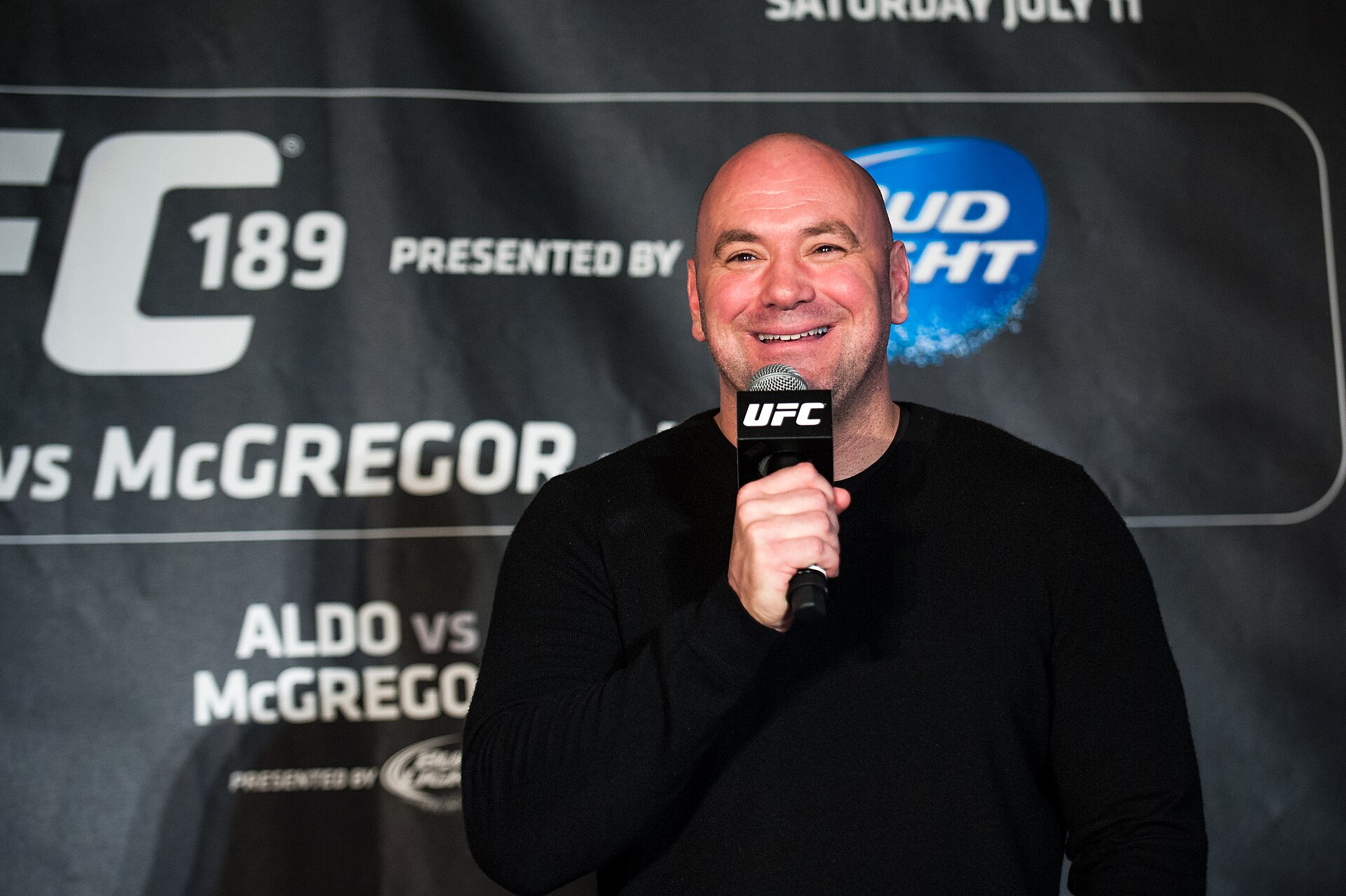
US President Donald Trump Publicly Asks UFC Chief Executive Dana White to Take White House Press Secretary Role
United States President Donald Trump has publicly invited Ultimate Fighting Championship boss Dana White to serve as White House press secretary, prompting an online response from the fight promoter.

Victoria Faces Unprecedented Inquiry as Infrastructure Royal Commission Starts
Public hearings for a state-ordered corruption inquiry are set to begin during the Victorian election campaign, presenting both political risks and a strategic reset for the Labor government.

Australian Authorities Clarify Disaster Readiness Guidance Amid International Stockpiling Trends
Experts highlight community connection over hoarding as federal and state agencies outline region-specific emergency advice.