
Teen Spared Prison Term Following Terror Plot Preparations in Western Sydney
A New South Wales Supreme Court judge has sentenced a teenager to a community corrections order after he admitted considering an attack inspired by extremist online content.
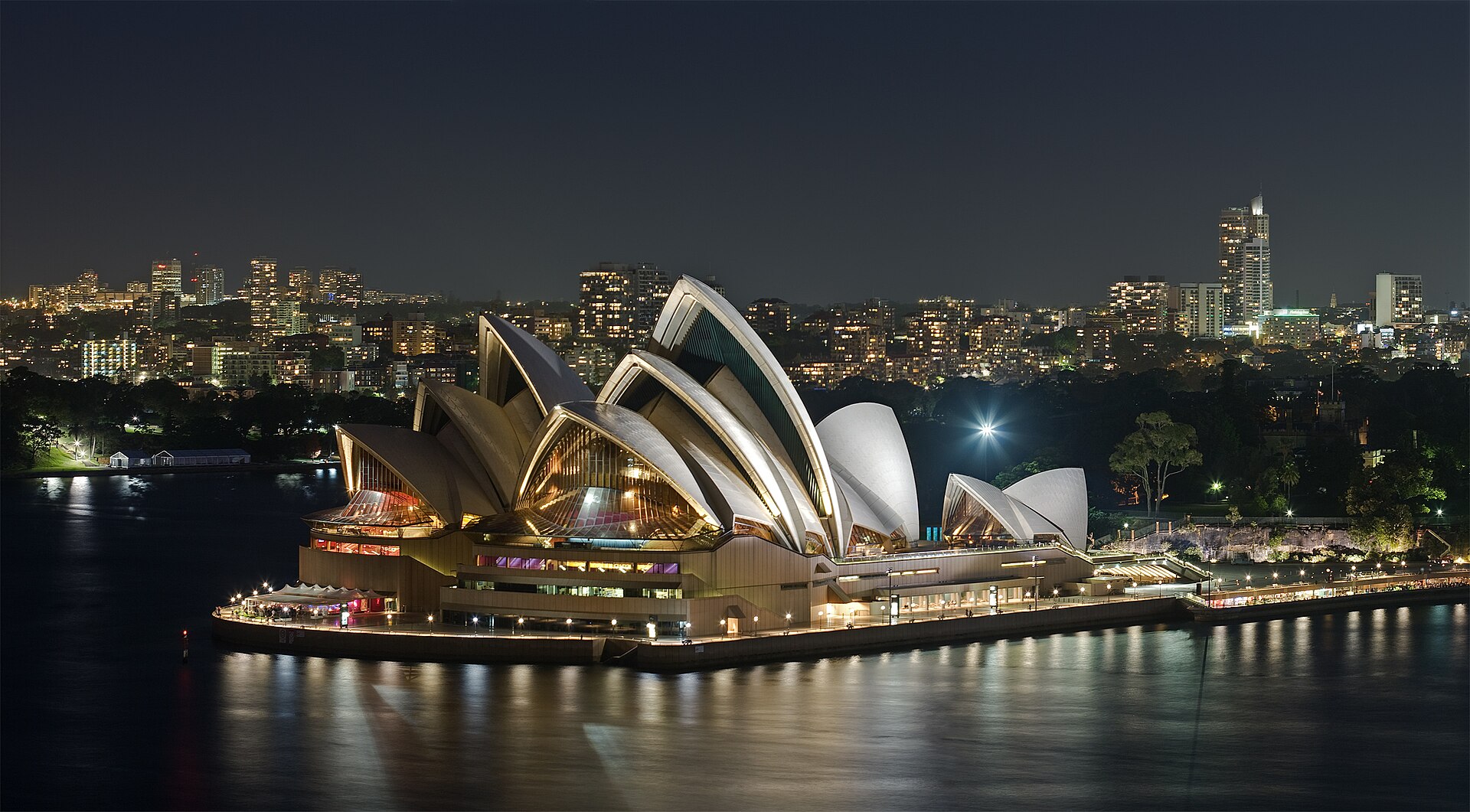
A New South Wales Supreme Court judge has sentenced a teenager to a community corrections order after he admitted considering an attack inspired by extremist online content.
The story
A 16-year-old boy who admitted considering a mass terror attack at the Sydney Opera House has avoided a prison sentence. The teenager, who cannot be identified for legal reasons, was handed a three-year community corrections order in the NSW Supreme Court for committing acts in preparation for a terror attack, an offence that carries a maximum penalty of life imprisonment.
Federal police arrested the boy at his Western Sydney home in August 2024 when he had just turned 14 years old. Court proceedings revealed that the teenager had researched how to manufacture a pressure-cooker bomb and looked into potential target locations, which included the finishing line of the Sydney Marathon situated at the Sydney Opera House.
Supreme Court Justice Stephen Campbell presided over the sentencing and concluded that the offender presented a very low risk of reoffending. Justice Campbell described the planning as sitting at the least serious end of the scale, observing that the research lacked sophistication and the teenager failed to conceal his activities.
A closer look
The court was told that the boy made no attempts to acquire bomb-making components nor did he establish a date for any operation. Justice Campbell remarked that the teen's online communications displayed a high level of naivety, noting that he repeatedly avoided answering when online contacts asked whether he intended to execute an attack.
Evidence presented to the court indicated that the teenager initially encountered extremist material on TikTok, which prompted him to view increasingly violent content including Al Qaeda media and Islamic State recruitment propaganda. Over a five-week period in 2024, the boy distributed extremist media online, expressed praise for Al Qaeda through encrypted messaging platforms, and attempted to email the surviving Boston Marathon bomber inside a United States prison.
This report presents the named publisher’s account and has not yet been independently corroborated.
Continue reading
Australia desk ↗
Accused Murderer Disrupts Melbourne Court Appearance Following CBD Stabbing
A man charged over the fatal stabbing of a food delivery rider in central Melbourne has exposed himself during a video link court hearing.
Search and Recovery Operation Concludes Following Marine Incident on Gold Coast
Authorities on the Gold Coast have recovered the body of a man following an extensive search and rescue operation sparked by calls for help.
Three Individuals Charged as Accessories Following Fatal Stabbing in Wagga Wagga
Police have arrested three people in connection with the death of 23-year-old Danielle Madgwick, who was fatally stabbed in New South Wales.