
Examining the Dynamics Behind the Ruble's Recent Exchange Rate Strength
Despite economic pressures from military spending, sanctions, and infrastructure damage, the Russian currency has experienced periods of strengthening against the dollar and euro in 2026.
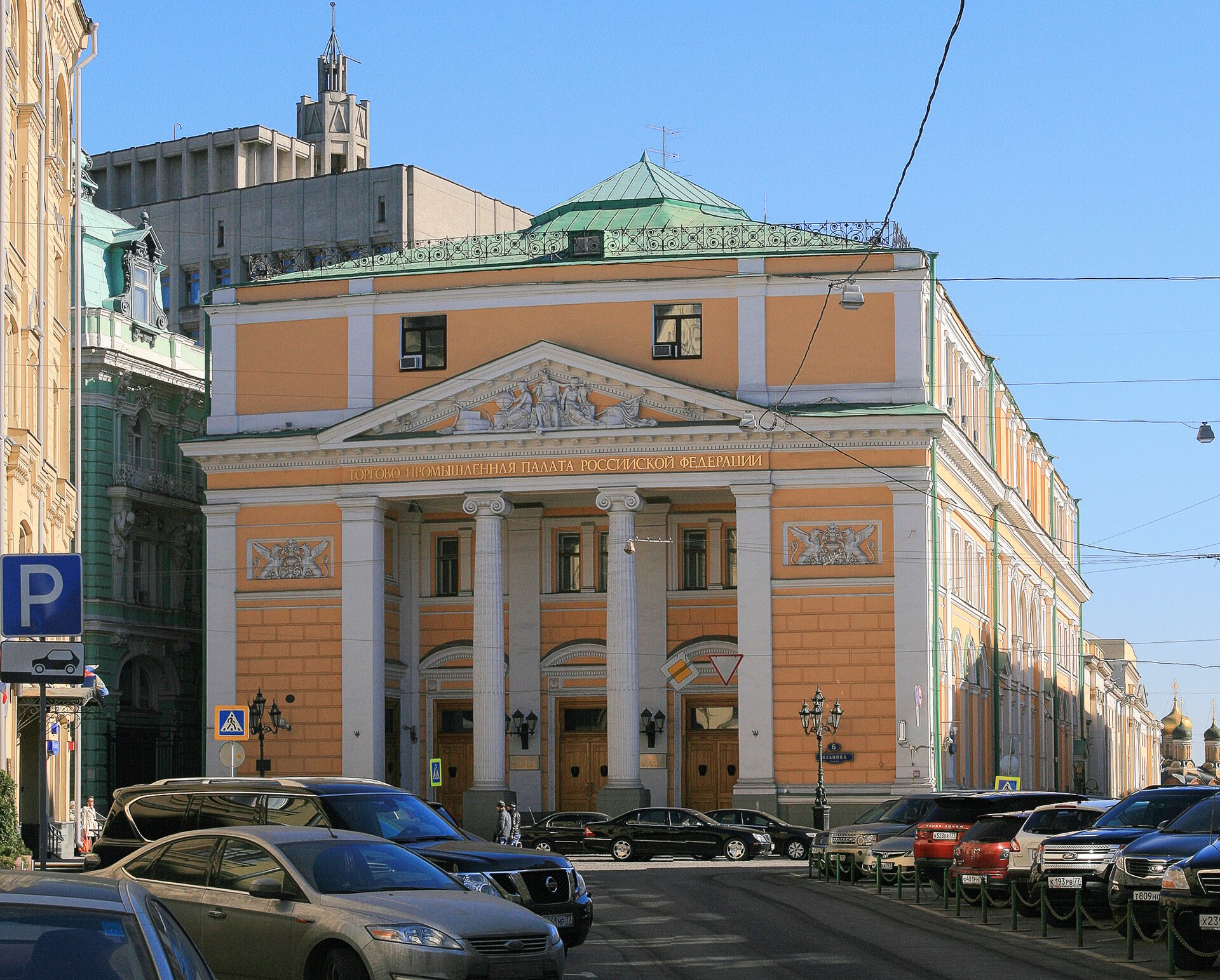
Despite economic pressures from military spending, sanctions, and infrastructure damage, the Russian currency has experienced periods of strengthening against the dollar and euro in 2026.
The story
Russia's broader economy faces significant challenges stemming from the ongoing conflict and international sanctions. According to Meduza English, this year's budget deficit is projected to be approximately twice as large as initial official estimates, with substantial deficits anticipated in future years. State revenues have fallen by trillions of rubles due to sanctions, while Ukrainian strikes targeting oil refineries and other domestic infrastructure have caused considerable physical damage.
Despite these fiscal and economic burdens, the ruble has shown periods of strength against major foreign currencies in 2026. On November 6, the official exchange rate stood at 81.79 rubles per U.S. dollar and 92.16 rubles per euro. This represents a weakening of the dollar by nearly 5.5 percent and a larger drop for the euro since early September. Earlier in the year, in late May, rates dropped even further, with the dollar falling below 71 rubles and the euro below 82 rubles, approaching prewar levels last recorded in 2021.
The transparency and mechanics of currency trading have shifted considerably since Western sanctions prompted the Moscow Exchange to suspend trading in dollars and euros in June 2024. Transactions largely moved to over-the-counter markets where banks negotiate directly, with the central bank calculating official rates from these reports. Although dollar trading resumed on the Moscow Exchange in February 2026, operations are recorded in rubles rather than direct currency trading, and rates set by the central bank often differ from those available at physical exchange offices or banking apps.
A closer look
Analysts point to a combination of fundamental and current factors driving the ruble's movements. In October, the currency was supported by businesses purchasing rubles to cover quarterly tax obligations, alongside reports of diplomatic discussions involving Russia, the United States, and Ukraine aimed at resolving the conflict. Market observers noted that the exchange rate reflected renewed hopes accompanying Washington's push for a compromise rather than guaranteed success for the talks.
Market conditions shifted in early November following the defeat of Republicans in U.S. midterm congressional elections, which altered political dynamics regarding peace negotiations. Additionally, falling global oil prices—driven by a reduced risk of escalation in the Middle East—have influenced the currency. When oil prices rise, Russian exporters increase foreign currency supply domestically, strengthening the ruble, whereas falling prices have the opposite effect. However, these temporary conditions have not caused sharp market swings, reflecting a significantly altered currency market with fewer foreign investors compared to the pre-2022 period.
This report presents the named publisher’s account and has not yet been independently corroborated.
Continue reading
Politics desk ↗
Understanding the Paris Agreement and the 1.5C Global Warming Target
An overview of the 2015 international climate accord, its core temperature targets, funding mechanisms, and recent membership developments.

One Nation Leaders Target Regional Victoria as State Election Campaign Intensifies
Federal leader Pauline Hanson and state leader Warren Pickering are touring regional areas as the Victorian election campaign gains momentum following parliament's dissolution.

Death Toll Reaches 50 Following Airstrike on Ukrainian Aid Distribution Point
Emergency services in Ukraine report that search and rescue operations continue into a fifth day after an aerial attack hit a former school building utilized for humanitarian distributions in the Zaporizhzhia region.