
Artificial Intelligence Corporations Implement Restrictions on Hardware Decompiling Tools
Users attempting to use large language models for software and hardware reverse engineering report encountering safety guardrails, account suspensions, and service blocks.
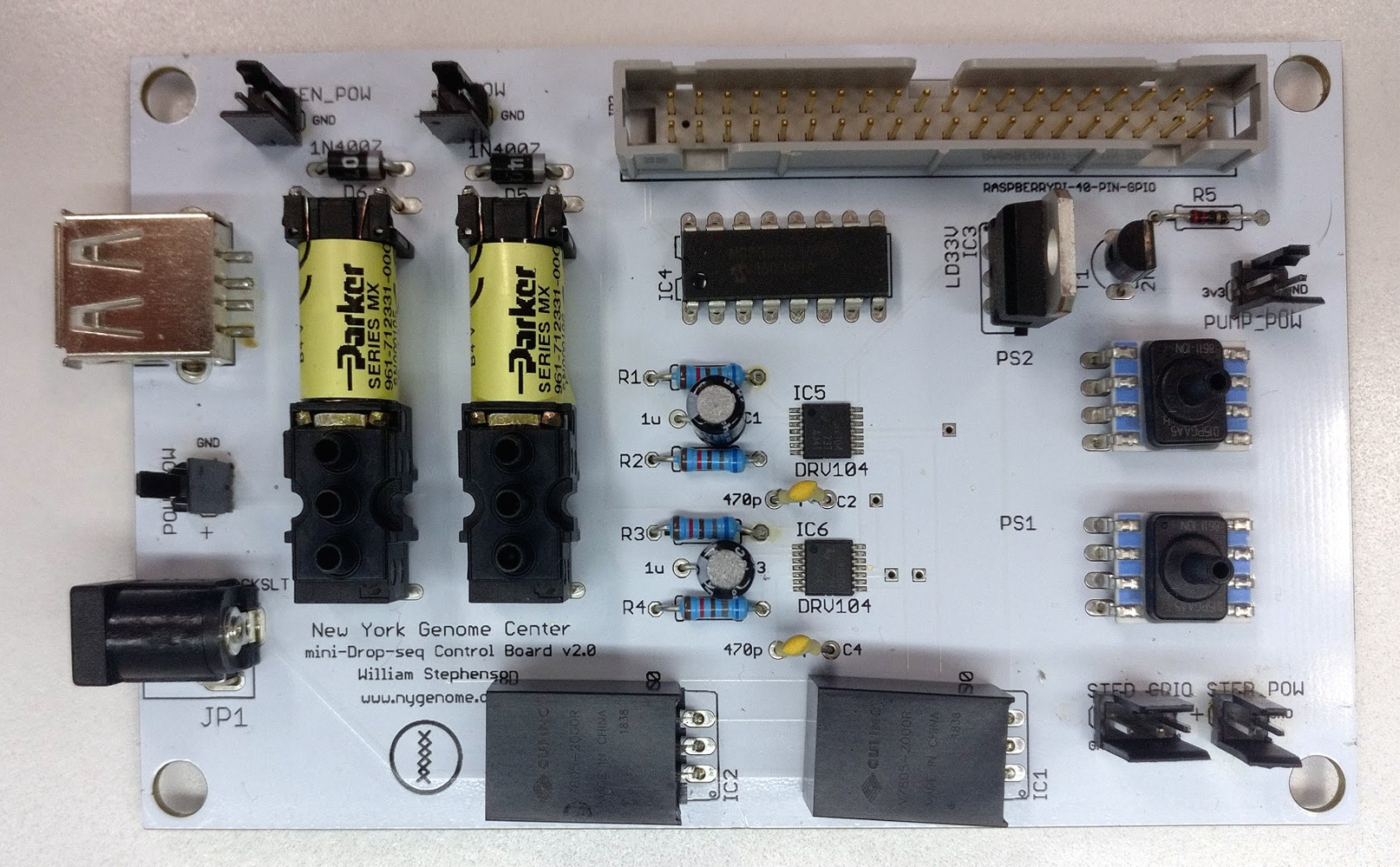
Users attempting to use large language models for software and hardware reverse engineering report encountering safety guardrails, account suspensions, and service blocks.
The story
Users employing artificial intelligence models from major technology firms to perform software decompiling and reverse engineering are encountering operational guardrails and account restrictions. Individuals attempting tasks such as unbricking internet-of-things devices, modifying smart televisions, and examining code have reported triggering safety checks across platforms including Anthropic and OpenAI.
According to community reports on platforms such as Reddit and Discord, tools that previously facilitated the reverse engineering of electronics and video games are facing severe limitations. An open-source project named Decomp.wtf, designed to simplify software analysis, has also ceased operations. Furthermore, individual users have stated on social media that their accounts were restricted or banned after requesting artificial intelligence models to analyze hardware and proprietary code.
The practice of artificial intelligence-assisted reverse engineering recently gained popularity as a method for consumers to alter device operating systems, repurpose old hardware, and remove manufacturer-imposed limitations. Proponents of the trend argue it allows owners greater control over purchased electronics, while critics and corporations note potential intersections with cybersecurity and digital security policies.
Industry responses to the restrictions vary.
Industry responses to the restrictions vary. Matt Brown, a security consultant who utilizes artificial intelligence for device analysis, stated that safety blocks appear linked to overly strict cyber guardrails implemented by laboratories attempting to prevent malicious hacking activities. He indicated that practitioners are increasingly exploring alternative, local, and uncensored models to avoid sudden account disruptions.
Addressing the user reports, OpenAI engineer Tarun Gogineni stated on social media that account restrictions stemming from reverse-engineering requests are largely unintentional outcomes of complex decision boundaries. Gogineni clarified that company rules do not prohibit the use of Codex for reverse engineering and noted that efforts are underway to resolve the unintended blocks.
This report presents the named publisher’s account and has not yet been independently corroborated.
Continue reading
Business desk ↗
Apartment Markets Prove More Resilient Than Detached Houses Amid Rising Interest Rates
High borrowing costs and affordability constraints are driving more Australian property buyers toward units and away from houses across capital cities.

Claude Developer Anthropic Prepares for Multi-Trillion Dollar Nasdaq Offering
The artificial intelligence developer seeks to raise up to $64.4 billion in one of the largest public offerings in history despite recent market volatility and political shifts.

Nvidia Leadership Faces Scrutiny After CEO Confesses to Affair
Nvidia CEO Jensen Huang admits to an affair with a Chinese datacenter executive suspected of spying, prompting an independent board investigation and industry discussions.