
Modelling Projects Significant Wholesale Electricity Price Increases by 2029
New research suggests wholesale energy prices in Australia could nearly double by the end of the decade as coal plant closures outpace renewable installations.
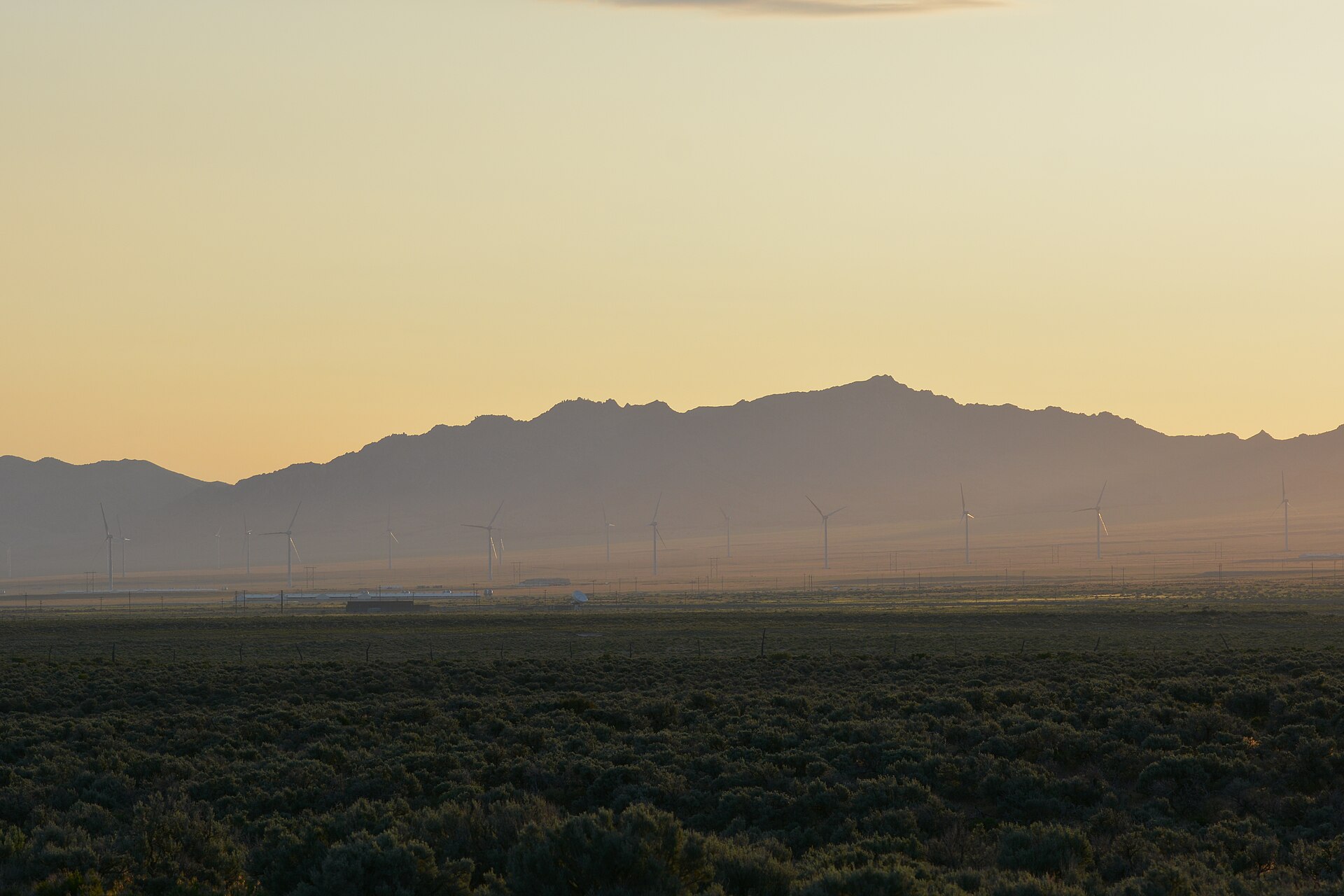
New research suggests wholesale energy prices in Australia could nearly double by the end of the decade as coal plant closures outpace renewable installations.
The story
Wholesale electricity prices in Australia could experience a near-doubling by 2029, according to new projections from research firm Rystad Energy. The modelling indicates that prices may surge to as high as $110 per megawatt-hour, a significant increase from the current rate of $60 per megawatt-hour.
The forecast attributes the anticipated price spike to the closure of coal-fired power stations occurring at a faster rate than the construction of replacement renewable energy infrastructure. According to the research, the volume of large-scale wind and solar farms would need to triple over the next two years for the federal government to achieve its objective of an 82 per cent renewable energy share by 2030.
Rystad senior analyst David Dixon stated that the federal government's Capacity Investment Scheme, designed to underwrite large-scale renewable projects, is currently falling short of its target to integrate 40 gigawatts of new capacity into the national grid by the end of the decade. Mr Dixon noted that the intended purpose of the scheme was to secure online capacity prior to impending coal plant closures, but suggested that construction delays mean it is already too late to meet that timeline.
A closer look
Data from the Energy Department revealed last month that approximately a quarter of the clean-energy projects supported by the Capacity Investment Scheme have stalled. Officials attributed these failures to material changes in capital and construction expenses, alongside difficulties in securing network connection access rights, planning and environmental approvals, and power purchase agreements.
In response to the projections, junior Minister Julian Hill disputed the notion that households must prepare for escalating electricity expenses. Speaking to News24, Mr Hill pointed to data from the previous month showing a 27 per cent decrease in wholesale spot prices compared to the same period in the prior year. He described the modelling figures as fluctuating projections rather than certain prophecies, noting that ongoing forecasts continue to shift as new capacity enters the market.
This report presents the named publisher’s account and has not yet been independently corroborated.
Continue reading
Politics desk ↗
Australian Government Seeks Free Trade Agreement Review Amid Shift in British Working Holiday Patterns
Recent policy changes under the UK-Australia free trade agreement have exempted British working holidaymakers from regional work requirements, leading to increased urban stays and calls for the deal to be revisited.

Trilateral Peace Discussions Involving Ukraine, Russia and United States Conclude First Day in Abu Dhabi
Senior officials from Ukraine, Russia and the United States met in Abu Dhabi for the first day of trilateral negotiations aimed at addressing the ongoing conflict.

Media Figure David Walliams Faces Allegations as Victorian Election Stirs Political Friction
An investigation by The Guardian details allegations against Little Britain star David Walliams, while healthcare and election preferences dominate the lead-up to the Victorian vote.