'No easy paths': why calls grow for a GST hike
A respected think tank has called for a GST hike to help pay down Australia's national debt.
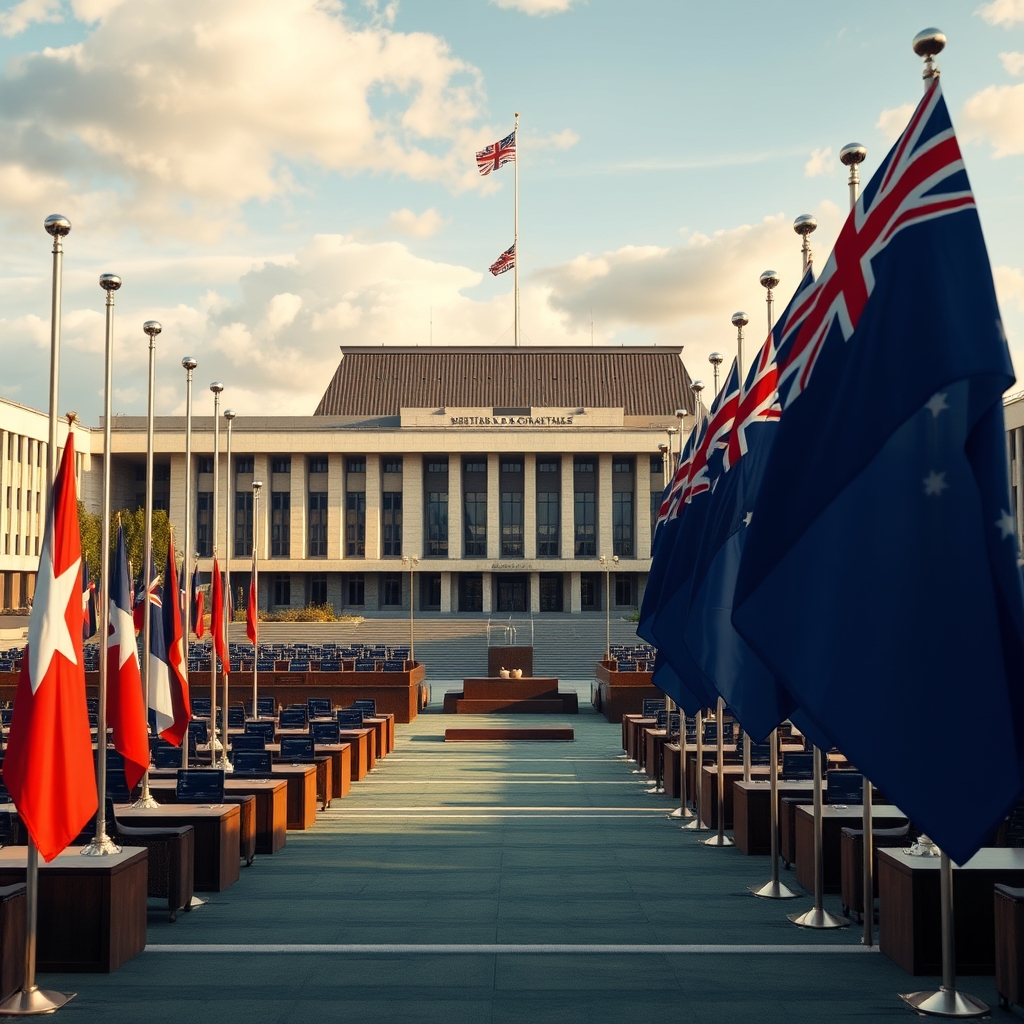
A respected think tank has called for a GST hike to help pay down Australia's national debt.
The full report
The Grattan Institute has urged the federal government to lift the GST rate from 10 per cent to 15 per cent as part of an overhaul of the budget, according to a report released on Monday.
The think tank also pushed for the tax to include all food items, ending the current exemption for grocery staples. This proposal would generate $76 billion per year, which could then flow through to tax cuts for low-and-middle-income earners and expanded welfare payments.
Lead author and institute chief executive Aruna Sathanapally said the overhaul was needed to repair state and federal budgets. She noted that Commonwealth debt topped $1 trillion in recent months, although Australia's debt as a share of the economy is lower than most of its developed peers.
The increased tax income would allow for JobSeeker and Youth Allowance to rise by 20 per cent, while rent assistance would go up by 50 per cent to offset the higher GST costs. The proposed changes would leave a low-income, single-parent family $150 a week better off, while higher-income working families would pay $162 a week more under the proposal.
Dr Sathanapally stated that 'there are no easy paths back to budget sustainability.' However, she believes that with smarter spending decisions and a tax system that raises sufficient revenue to care for Australia's ageing population, both current and future generations can be better off.
This report presents the named publisher’s account and has not yet been independently corroborated.
Continue reading
Politics desk ↗
Meloni backs police after cost-of-living protests turn violent in Italian cities
Violence erupts during cost-of-living protests in Italian cities
France reports almost 2,400 arrests after riots, looting and arson during cost-of-living protests
France reports almost 2,400 arrests after riots, looting, and arson during cost-of-living protests.
Winning the next election could be Labor's undoing
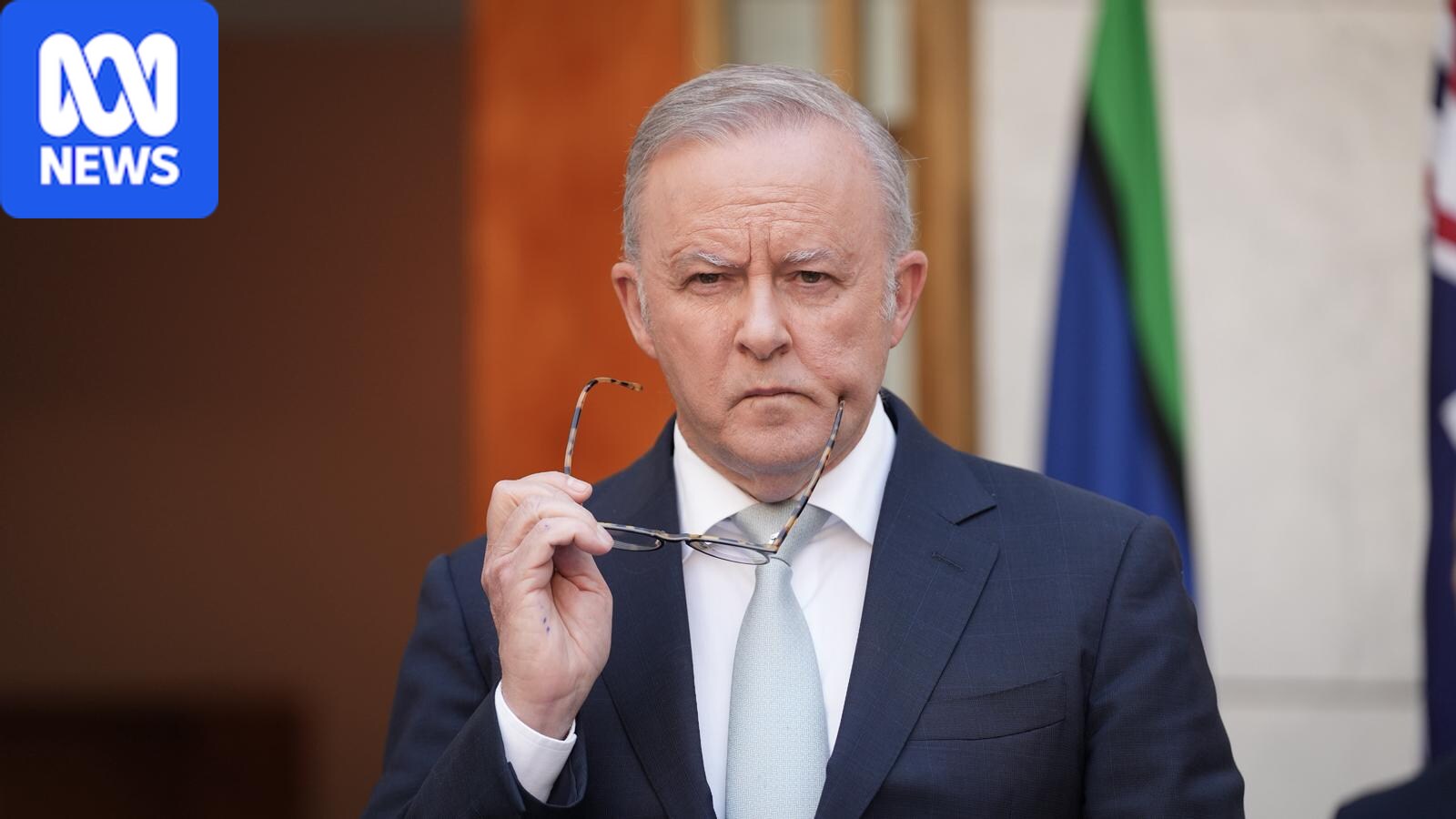
Labor's victory in the next election may be its undoing, according to some experts.