
Israeli Election Results Remain Indecisive as Vote Counting Nears Completion
Both major political blocs fall short of a parliamentary majority as nearly 90 percent of ballots are counted following Israel's national vote.
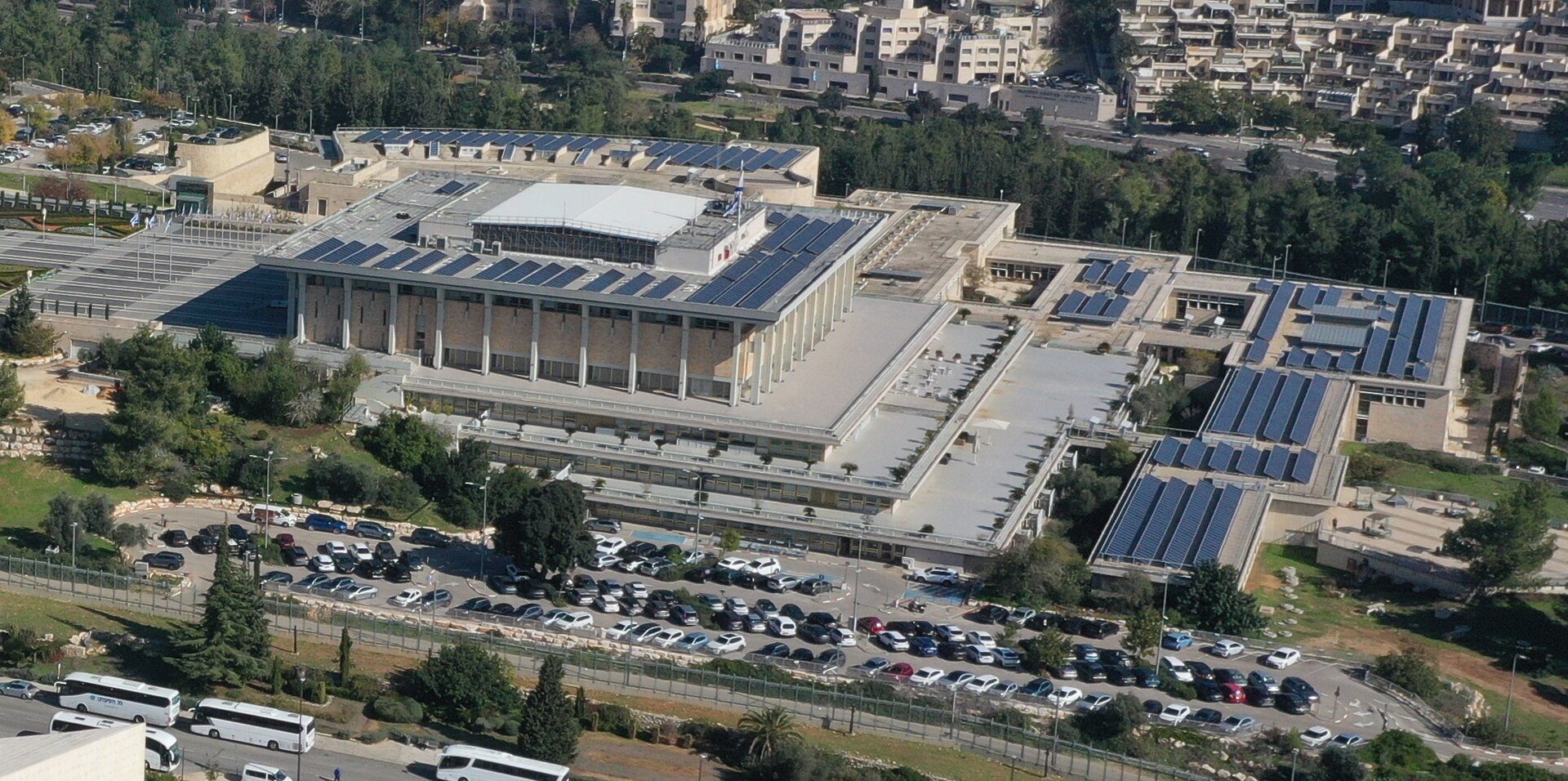
Both major political blocs fall short of a parliamentary majority as nearly 90 percent of ballots are counted following Israel's national vote.
The story
Israel's election has concluded without a definitive victor, as vote counts reaching nearly 90 percent indicate that neither major political faction has attained the 61 seats required to establish a governing administration in the 120-member Knesset. According to the Israeli Central Elections Committee, more than five million ballots had been tallied by Wednesday evening following Tuesday's polling.
Projections released by the committee place Prime Minister Benjamin Netanyahu's right-wing bloc on track to secure 53 seats. Meanwhile, the opposition coalition headed by Gadi Eisenkot is projected to capture 48 seats. Additionally, projections indicate that Arab parties, including the Joint List and Ra'am, could attain a combined total of 19 seats amid record turnout among Arab voters.
Final election outcomes could be released as early as Thursday evening, though analysts note that the ultimate distribution of seats remains subject to change. More than 500,000 special double-envelope ballots—representing votes cast by soldiers, diplomats, and individuals voting away from registered polling stations—still need to be processed.
A closer look
President Isaac Herzog is scheduled to initiate consultations with party leaders regarding the formation of a new administration next week, following the publication of official results. Herzog has publicly urged all political factions to avert another election that could delay government formation. Coalition building remains standard practice in Israeli politics, as no single party has ever achieved an outright majority.
Following the preliminary tallies, analysts have suggested that Netanyahu might pursue a unity government incorporating Eisenkot's alliance, given that Netanyahu's bloc is positioned to be the largest. However, Eisenkot previously ruled out forming a minority administration dependent on Arab-led parties, a prospect also rejected by Netanyahu.
Eisenkot stated via social media on Wednesday that his opposition alliance is dedicated to establishing a Zionist mobilisation government to deliver change. Concurrently, Netanyahu's Likud party alleged that Arab parties engaged in vote theft during the election, which marked the first national vote held since the October 7, 2023, attacks.
This report presents the named publisher’s account and has not yet been independently corroborated.
Continue reading
Politics desk ↗
Large DHS employee database exposed in online leak
Personal details of more than 41,000 Department of Homeland Security staff, including ICE and CBP agents, were posted publicly after a breach attributed to a group called the Department of Peace.

Fire at Savannah River National Laboratory Prompted Emergency Declaration
A blaze broke out at the Savannah River National Laboratory in South Carolina on Thursday evening, leading authorities to declare an emergency and restrict site access while no off‑site contamination was reported.

Western Australian Councils Face Financial Burden Maintaining Aging Electric Vehicle Charging Infrastructure
Local governments in Western Australia are grappling with high costs to repair and upgrade aging charging stations as energy officials maintain that councils and private entities are responsible for network upkeep.