
Western Australian Councils Face Financial Burden Maintaining Aging Electric Vehicle Charging Infrastructure
Local governments in Western Australia are grappling with high costs to repair and upgrade aging charging stations as energy officials maintain that councils and private entities are responsible for network upkeep.
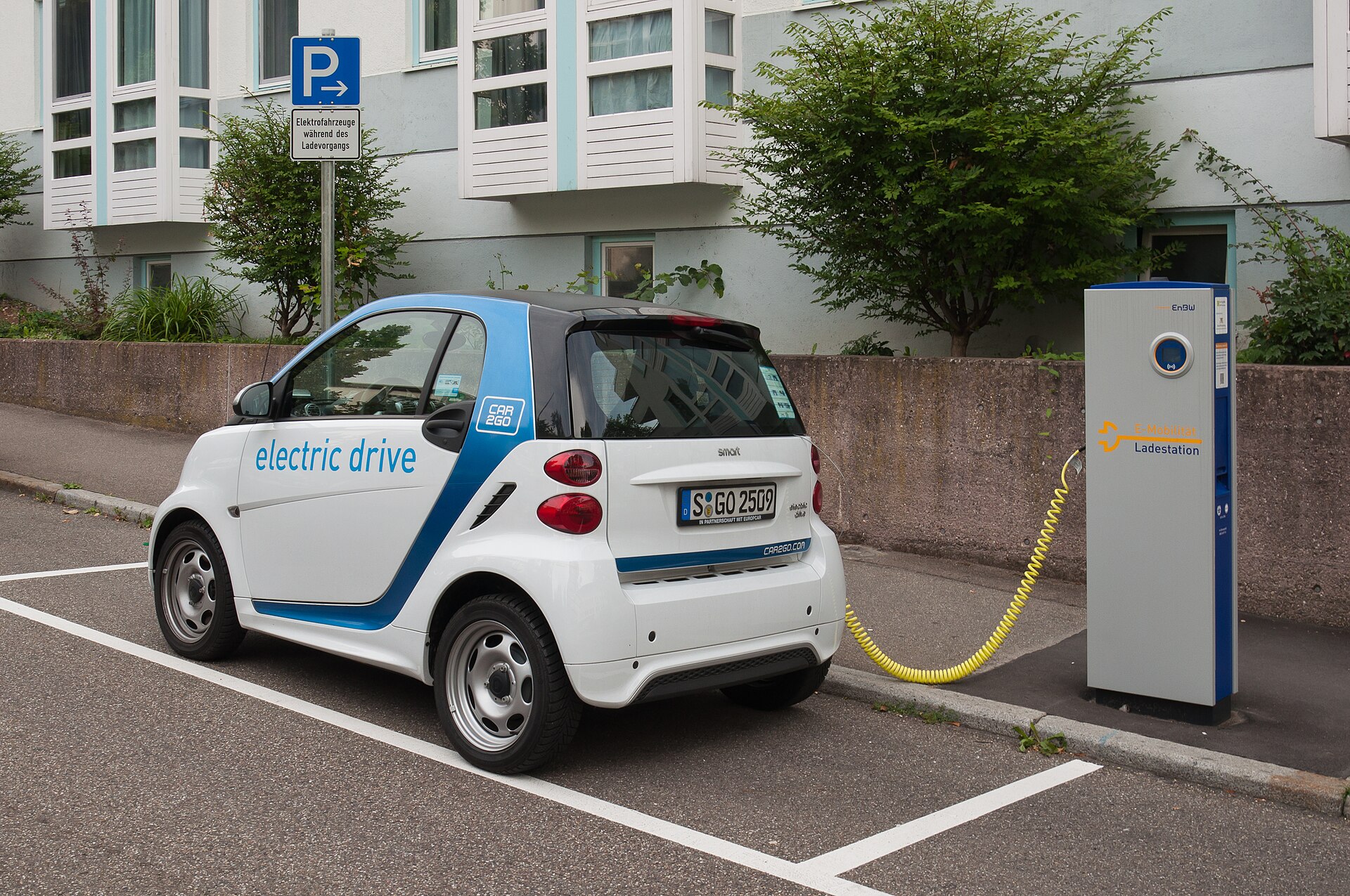
Local governments in Western Australia are grappling with high costs to repair and upgrade aging charging stations as energy officials maintain that councils and private entities are responsible for network upkeep.
The story
Communities across Western Australia are encountering significant financial hurdles as they attempt to maintain and upgrade the infrastructure of the state's initial electric vehicle charging network. Launched in 2015 as an electric highway featuring charging stations spanning from Monkey Mia to Esperance, the network is now facing widespread maintenance challenges and increasing operational demands.
Data shows that electric vehicle ownership has expanded substantially since the network's inception, growing from 150 licensed electric vehicles in 2015 to more than 60,000 by June of this year. Insurer RAC withdrew from the project last year following a decade-long partnership, leaving the management and upkeep responsibilities to local councils and private operators.
In the Shire of Harvey, located 140 kilometres south of Perth, officials estimate the cost to replace and upgrade a faulty charging station installed in 2015 will range between $50,000 and $120,000. Deputy Shire President Craig Carbone stated that funding and managing such specialized infrastructure exceeds the normal operational scope of local governance.
A closer look
Mr Carbone expressed concern over the financial burden shifting to municipal authorities after the initial launch of the regional initiative. According to the energy minister, local governments and the private sector are required to assume responsibility for the maintenance of the charging network.
The Western Australian government previously contributed over $23 million to the network as part of a broader $43 million subsidy package allocated for electric vehicle infrastructure development across the region.
This report presents the named publisher’s account and has not yet been independently corroborated.
Continue reading
Politics desk ↗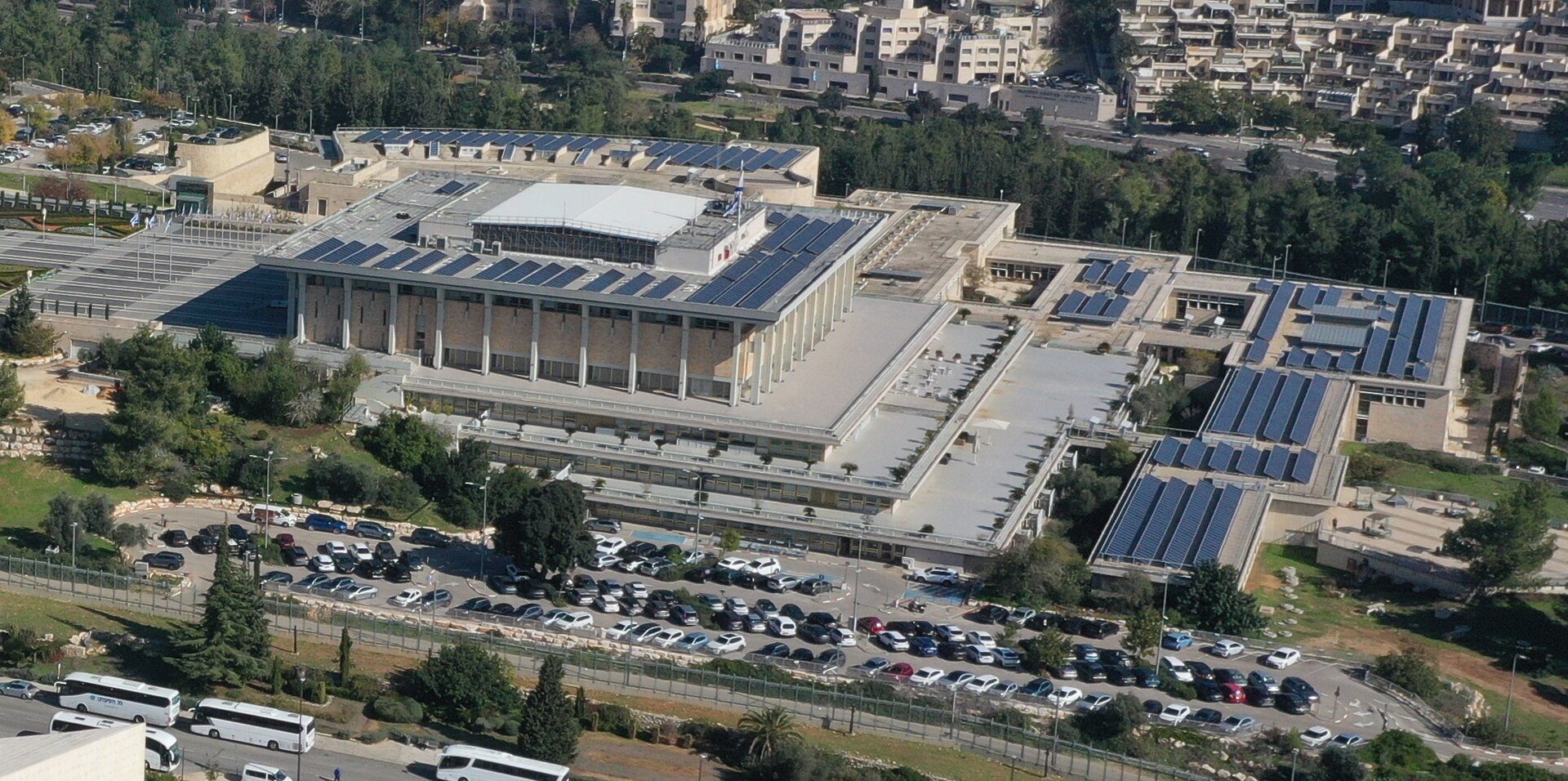
Israeli Election Results Remain Indecisive as Vote Counting Nears Completion
Both major political blocs fall short of a parliamentary majority as nearly 90 percent of ballots are counted following Israel's national vote.
Brazilian Senator Flávio Bolsonaro Arrives in Miami Following Electoral Defeat
Brazilian Senator Flávio Bolsonaro travelled to Miami with his family after losing the presidential election, stating his departure was necessary to protect his relatives and oppose what he described as a regime of exception.
Victorian Road Infrastructure Takes Center Stage as Parties Pledge Millions Ahead of Election
Both major political groups target regional transport networks with substantial funding commitments as infrastructure emerges as a central battleground in the upcoming Victorian state poll.