
Researchers Find Mineralised Molecular Traces in 115-Million-Year-Old Dinosaur Fossils
Scientists examining the limb bones of an Aratasaurus discovered in Brazil have identified traces of heme and structures resembling red blood cells, prompting both new avenues of research and debate among palaeontologists.
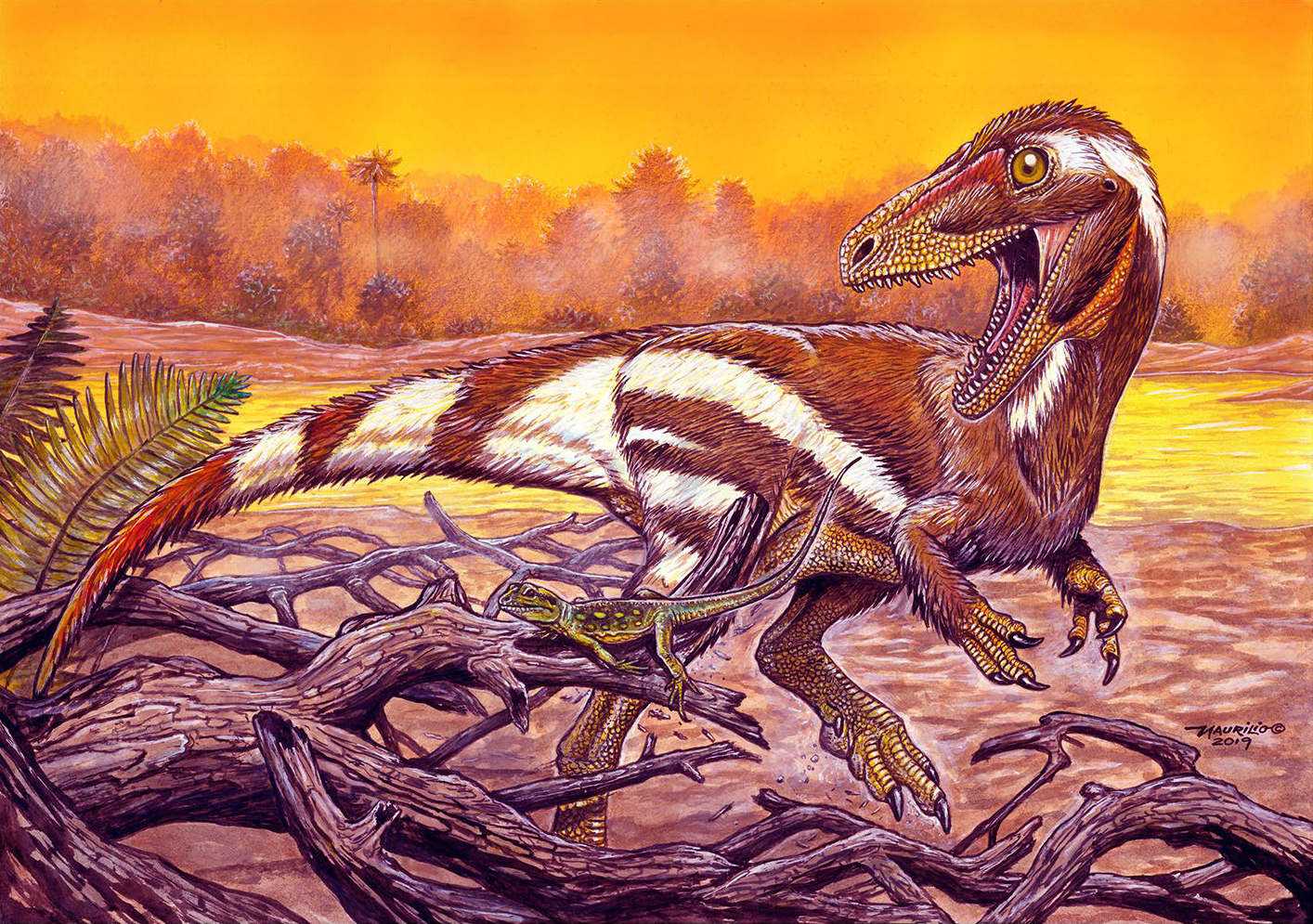
Scientists examining the limb bones of an Aratasaurus discovered in Brazil have identified traces of heme and structures resembling red blood cells, prompting both new avenues of research and debate among palaeontologists.
The story
Researchers analysing the hind leg bones of an Aratasaurus museunacionali, a small carnivorous dinosaur that lived 115 million years ago, have reported finding small, round structures resembling fossilised red blood cells within vascular channels. Electron microscope imagery revealed the shapes inside the tiny blood-transport tubes of the bone, while chemical tests identified the presence of heme, the organic compound that enables haemoglobin to carry oxygen throughout the body.
The findings, published in the Proceedings of the National Academy of Sciences, were led by Prof Kliti Grice at Curtin University in Western Australia. Grice described the discovery as a world first, stating that mineral and molecular echoes of the dinosaur's original biology had been observed in situ. The Aratasaurus fossil was originally discovered in a mine in north-eastern Brazil in 2008 and is housed in the National Museum of Brazil. The specimen is estimated to have been approximately four years old, weighing 34 kilograms and measuring 3.1 metres from head to tail.
In addition to identifying heme and its breakdown products, the research team also detected traces of amino acid building blocks for collagen, a key protein found in connective and other tissues. According to Grice, a manganese compound known as hausmannite may have helped stabilise the blood cells prior to fossilisation, alongside coastal microbial mats where the dinosaur died. The study suggests that similar preservation processes could have protected the amino acids.
A closer look
Claims of soft tissue preservation in ancient fossils remain controversial because biological molecules typically break down rapidly over millions of years. The research has drawn mixed reactions from the scientific community. Prof Mary Schweitzer at North Carolina State University expressed doubt over whether the ellipsoid structures are definitively red blood cells, noting that the dinosaur cells should feature a nuclear bulge rather than a concave appearance. However, Schweitzer expressed more confidence in the detection of heme and collagen amino acids, adding that modern analytical approaches continue to challenge conventional assumptions about organic preservation.
Grice urged caution regarding the implications of the study, noting that the findings do not indicate that large biological molecules like DNA or intact proteins survive in ancient fossils. Instead, the researchers emphasised that extraordinary molecular information may be preserved in existing museum collections worldwide, potentially offering new methods to investigate dinosaur metabolism, physiology, and activity levels.
Read the source reports and compare their framing:
Continue reading
World desk ↗
American Parents Accelerate MMR Vaccinations Amid Rising Measles Infections
Confirmed measles cases in the United States have doubled compared with the previous year, prompting families and physicians to schedule second vaccine doses earlier.

Police Scotland examining visits by Andrew Mountbatten-Windsor and Jeffrey Epstein to Balmoral
Law enforcement officials confirm inquiries are at an early stage following information received regarding stays at the Scottish estate.
Victoria's Supreme Court Rejects Appeal by Convicted Mushroom Poisoner
The Court of Appeal dismissed Erin Patterson's bid to overturn her murder convictions and upheld the Director of Public Prosecutions' challenge to her non‑parole period, meaning she will remain in prison for life.