
Microwave method promoted as quick way to destroy citrus gall‑wasp cuttings
Gardeners are advised to place pruned citrus branches infected with gall‑wasps in a microwave to kill larvae before disposal, a practice highlighted after a Western Australian grower shared the technique.
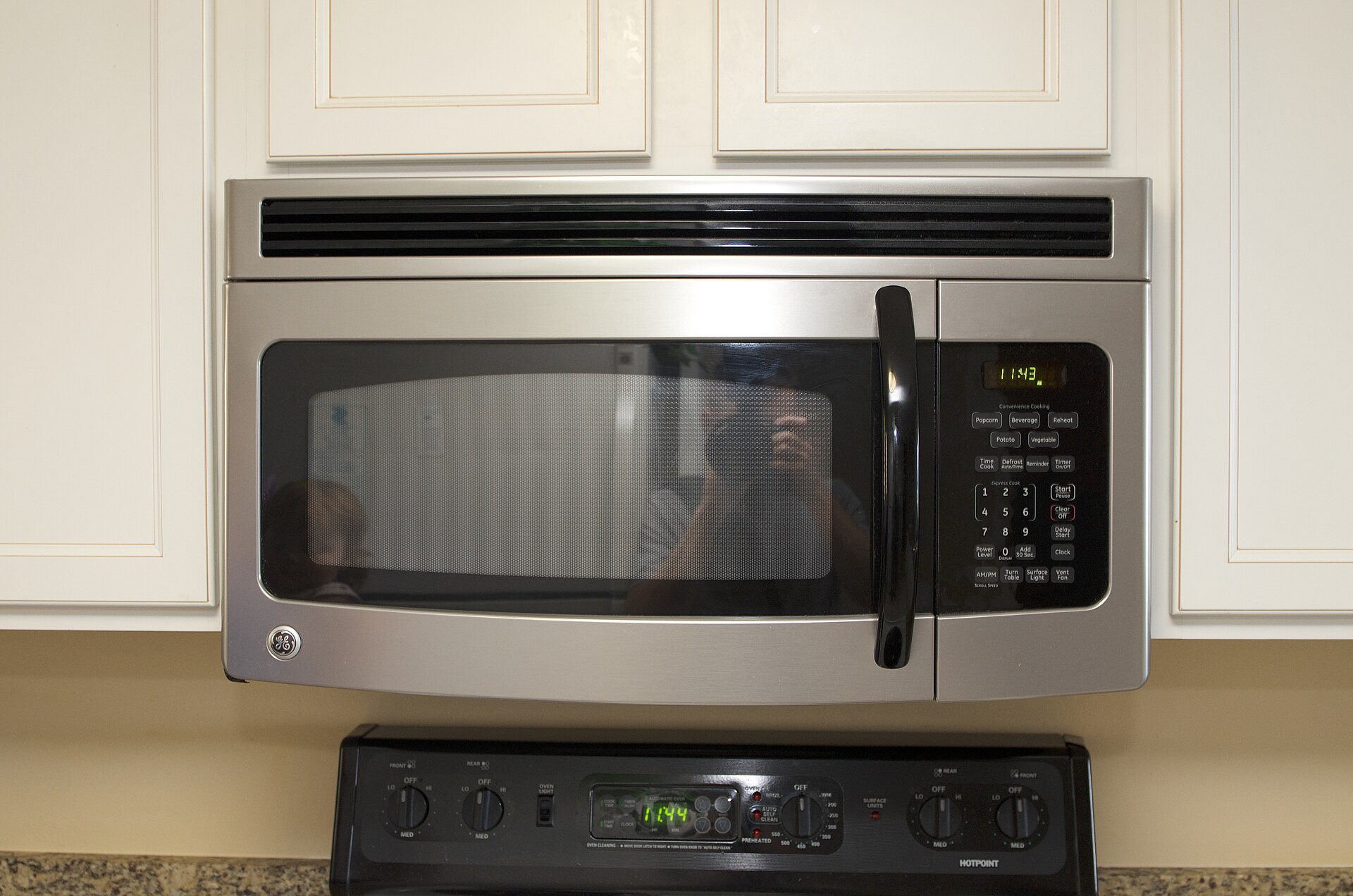
Gardeners are advised to place pruned citrus branches infected with gall‑wasps in a microwave to kill larvae before disposal, a practice highlighted after a Western Australian grower shared the technique.
The story
Australian homeowners are being urged to use household microwaves to neutralise cuttings from citrus trees that have been infested with citrus gall‑wasps, an invasive pest that can damage lemon, grapefruit, finger lime and orange trees. The wasps, which are native to Australia but become problematic when they spread beyond their natural range, lay eggs inside galls that appear as bulb‑shaped swellings on stems.
Professor Brett Summerell, chief scientist at the Botanic Gardens of Sydney, explained to Yahoo News Australia that untreated galls can impede water and nutrient flow, leading to smaller fruit and reduced yields. Traditional control methods include pruning the affected branches and then destroying the material to prevent emerging adults from re‑infesting the tree.
A gardener in Western Australia recently posted the microwave approach after noticing an infestation on a lime tree. The grower reported that a missed gall on a pruned branch led to a rapid spread, prompting the suggestion to “solarise or microwave before disposal.” The advice is to place the cuttings on a microwave plate and run the appliance during a regular cooking cycle, rather than operating it continuously.
A closer look
Experts note that burning pruned material has also been used to kill larvae, but caution that timing is important because wasps emerging between September and December may survive if cuttings are left untreated. Alternative disposal methods such as shredding, mulching, or sealing the branches in a bag are mentioned as additional options.
The microwave technique has been shared on social media and gardening forums as a quick, five‑minute solution for homeowners who lack access to a fire pit or who prefer a low‑smoke method. Authorities have not issued formal guidance on the practice, but the recommendation aligns with existing advice to destroy infected material promptly to limit the pest’s spread.
This report presents the named publisher’s account and has not yet been independently corroborated.
Continue reading
Business desk ↗
Murder Charge Laid Following Fatal Melbourne Stabbing of Delivery Driver
A 51-year-old man faces murder and injury charges after a delivery rider was killed and another seriously wounded during a confrontation in central Melbourne.

Jaguar Land Rover and BYD Face Court Showdown Over Alleged Design Infringement
Court-ordered bailiffs seized digital records from BYD offices in the Netherlands ahead of a legal hearing regarding intellectual property allegations.

Usman Khawaja Denies Throwing Teammates Under the Bus Over 2018 Sandpaper Scandal
Former Australian cricketer Usman Khawaja has defended claims made in his autobiography regarding the 2018 ball-tampering controversy, stating the entire team shares responsibility.