
Tehran Accelerates Ceasefire Proposal Offering Two-Day Implementation Timeline
Iranian officials state their proposed diplomatic plan has been condensed for quicker execution as indirect negotiations continue through mediators.
Iranian officials state their proposed diplomatic plan has been condensed for quicker execution as indirect negotiations continue through mediators.
The story
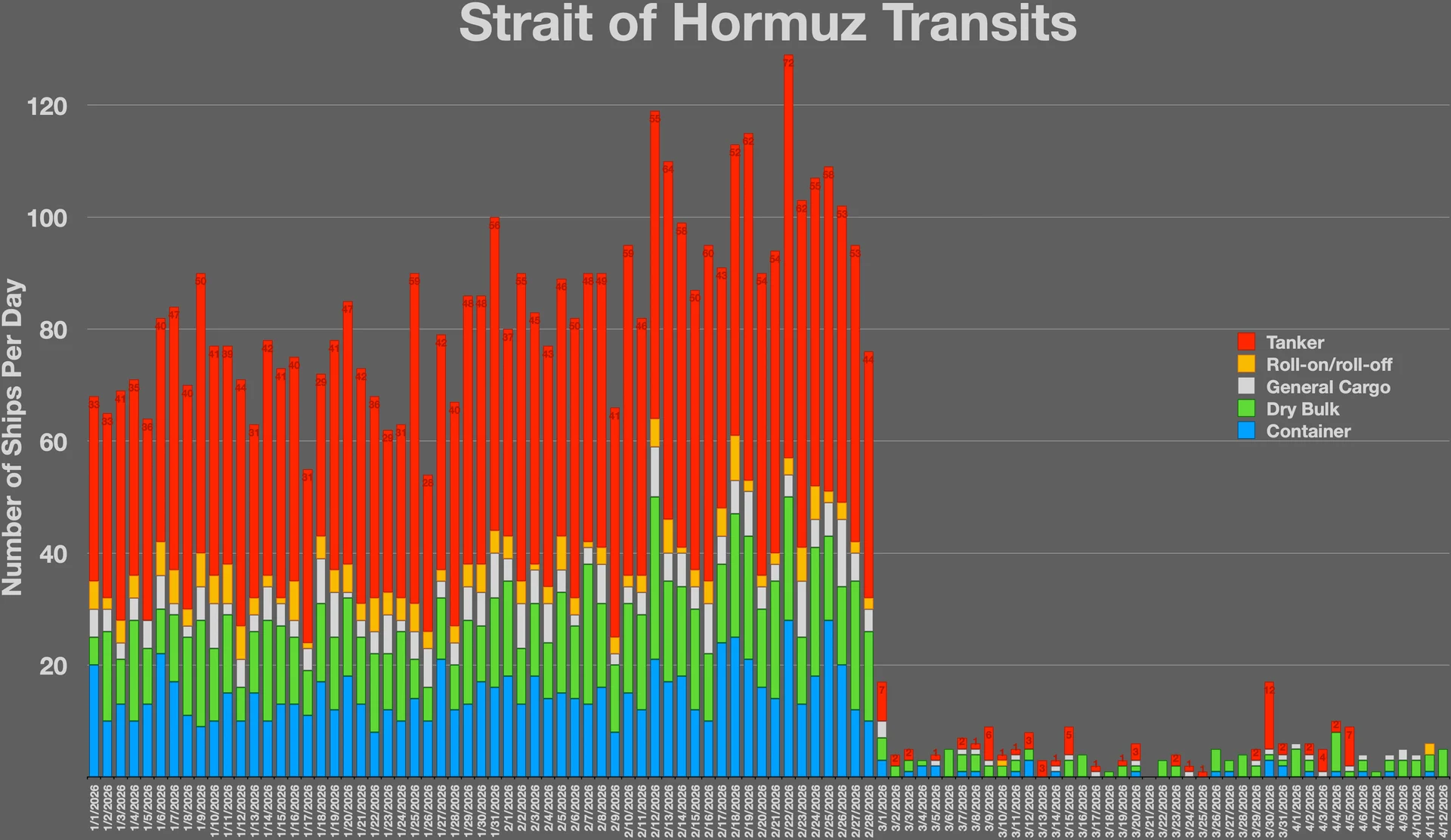
Iran announced on Monday that it has condensed its proposed diplomatic roadmap, asserting that the plan to reopen the Strait of Hormuz and resume nuclear talks with the United States can now be implemented within two days instead of the originally projected seven days. Foreign Ministry spokesperson Esmaeil Baghaei stated that the underlying terms remain unchanged and serve as the basis for ongoing discussions with Washington through intermediaries.
The updated proposal comes as regional actors navigate an eight-month conflict. Iranian officials indicate that under the accelerated framework, the reopening of the crucial shipping route and the restart of nuclear discussions are contingent upon the United States meeting specific conditions. These demands include the lifting of sanctions on Iranian oil sales, the removal of the naval blockade on Iranian ports, and an agreement to a comprehensive regional ceasefire, particularly concerning Lebanon.
According to state media reports, Iran's Supreme Leader Mojtaba Khamenei has granted necessary authorities to the government to expedite the diplomatic process. Foreign Minister Abbas Araghchi stated in Ashgabat, Turkmenistan, that Tehran remains prepared for both diplomatic pathways and military confrontation, with Qatar and Pakistan continuing to facilitate indirect communications between the nations.
A closer look
United States President Donald Trump remarked that the latest negotiations were progressing well, though he has also publicly suggested alternative outcomes, stating in an interview with the Right Side Broadcasting Network that the conflict would conclude either through a negotiated agreement or military action. Baghaei noted that Washington has not yet indicated acceptance of the Iranian proposal.
Meanwhile, broader regional developments continued to unfold alongside the diplomatic efforts. In Yemen, the Houthi movement accused Saudi forces of conducting airstrikes that targeted the port of Ras Isa and a market area, resulting in reported casualties and property damage. Independent verification of the strikes was not immediately available, and Saudi authorities did not issue an immediate response to the allegations.
Continue reading
Defence desk ↗
Remote Cyber-Attacks Target Commercial Refrigeration Systems Across European Supermarkets
Supermarket refrigeration units in seven European countries experience remote temperature increases in a suspected cyber-attack, prompting concern from the European Union.

Federal Immigration Enforcement Vehicles Scrutinized Over Collision Incidents
A review of multiple cases examines allegations regarding the operational use of unmarked government vehicles by immigration enforcement personnel during operations involving immigrants and activists.

Airstrikes on Ukrainian Humanitarian Centre Leave Dozens Dead and Missing
Multiple aerial bombs hit an aid distribution site in the Zaporizhzhia region, prompting condemnation from Ukrainian leadership as rescue operations continue.