
Iran and United States Engage in Indirect Negotiations to Prevent Further Conflict
Diplomatic efforts intensify ahead of US midterm elections as oil prices drop following reports of indirect talks mediated by Qatar and Pakistan.
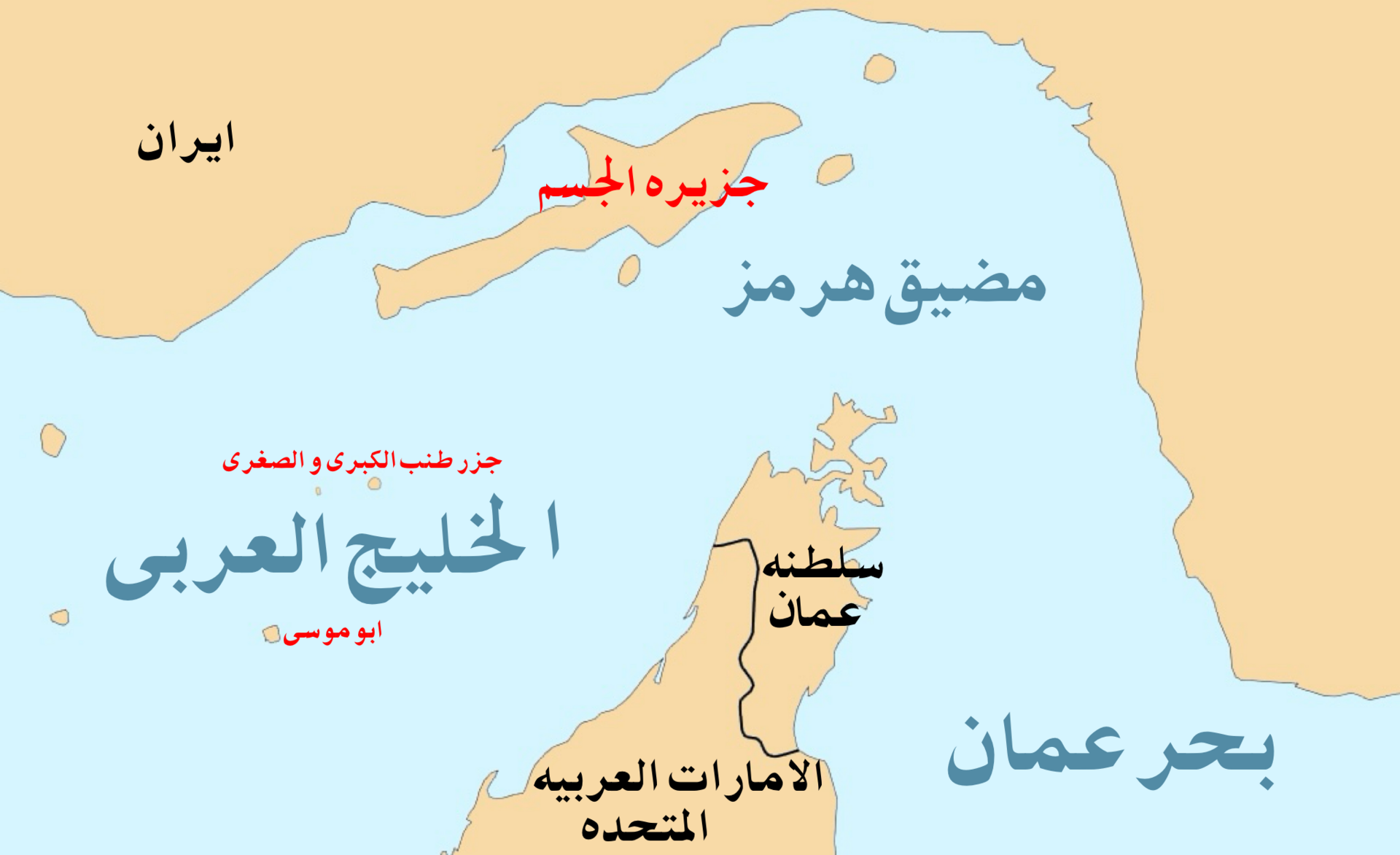
Diplomatic efforts intensify ahead of US midterm elections as oil prices drop following reports of indirect talks mediated by Qatar and Pakistan.
The story
Iran announced that it is holding intensive indirect talks with the United States to prevent a return to full-scale conflict. Foreign Minister Abbas Araghchi stated that consultations are ongoing via mediators, noting the active roles played by Qatar and Pakistan in the diplomatic process. According to reports from the Axios news outlet, US Vice President JD Vance sent a letter to the secretary of Iran's Supreme National Security Council, Mohsen Rezaei, regarding potential new discussions in what marks the highest-level move between the nations in months.
The renewed diplomatic push coincides with the US midterm elections. Voter dissatisfaction regarding the ongoing conflict and elevated fuel prices has placed political pressure on the Republicans, while Democrats anticipate winning at least partial control of Congress. Ahead of the vote, US President Donald Trump maintained his warnings at a campaign rally, stating that the United States might launch further military action, previously referring to potential strikes as another "Epic Fury" attack.
A closer look
As part of the discussions, Iran offered to reopen the blockaded Strait of Hormuz energy corridor under strict conditions if the United States meets specific demands. Foreign ministry spokesperson Esmaeil Baghaei outlined these plans as efforts escalate to avoid further US military operations. Meanwhile, international actors have responded to the crisis, with China urging a return to negotiations and Iran's security chief discussing the situation with Russian President Vladimir Putin.
Global markets reacted to the diplomatic developments on Monday, with oil prices falling by more than six percent following earlier spikes caused by the blockade of the Strait of Hormuz. Iranian First Vice President Mohammad Reza Aref interpreted the messages received from Washington via intermediaries as an acknowledgment of success, asserting that the United States had failed to achieve its objectives in previous conflicts. Despite the ongoing exchanges, the situation remains sensitive as both nations navigate the diplomatic and political pressures surrounding the eight-month-old conflict.
Read the source reports and compare their framing:
Continue reading
Politics desk ↗
Michigan Voters Head to Polls in Closely Watched US Senate Contest Between Rogers and El-Sayed
Voters in Michigan cast ballots in a high-stakes midterm Senate election featuring Republican Mike Rogers and Democrat Abdul El-Sayed, a race drawing national attention and cross-party divisions.
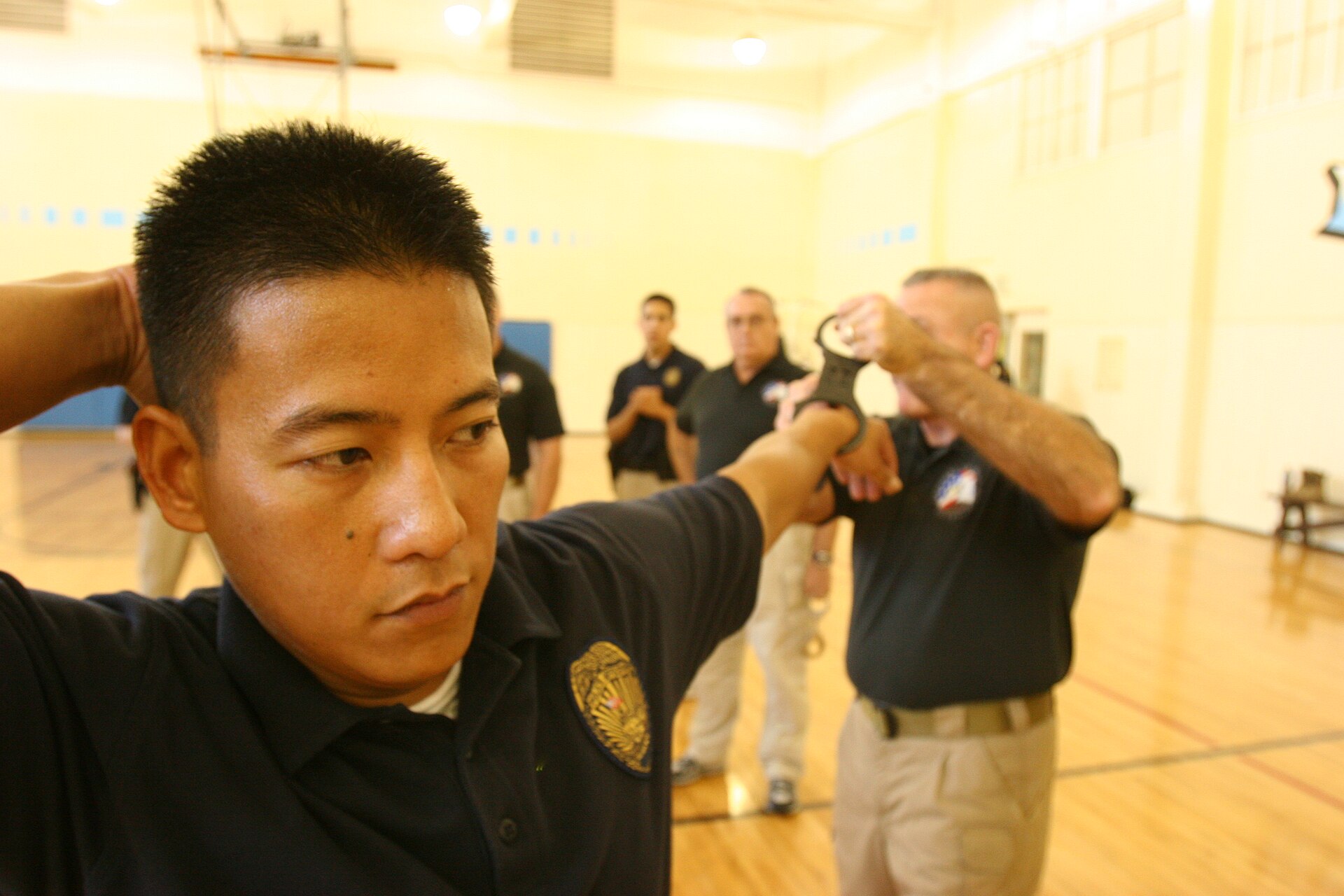
Victorian Political Parties Outline Crime and Policing Commitments Ahead of State Election
With the Victorian state election approaching on November 28, the Labor government and the Liberal-National opposition have released competing policy platforms centered heavily on law enforcement, policing, and community safety initiatives.
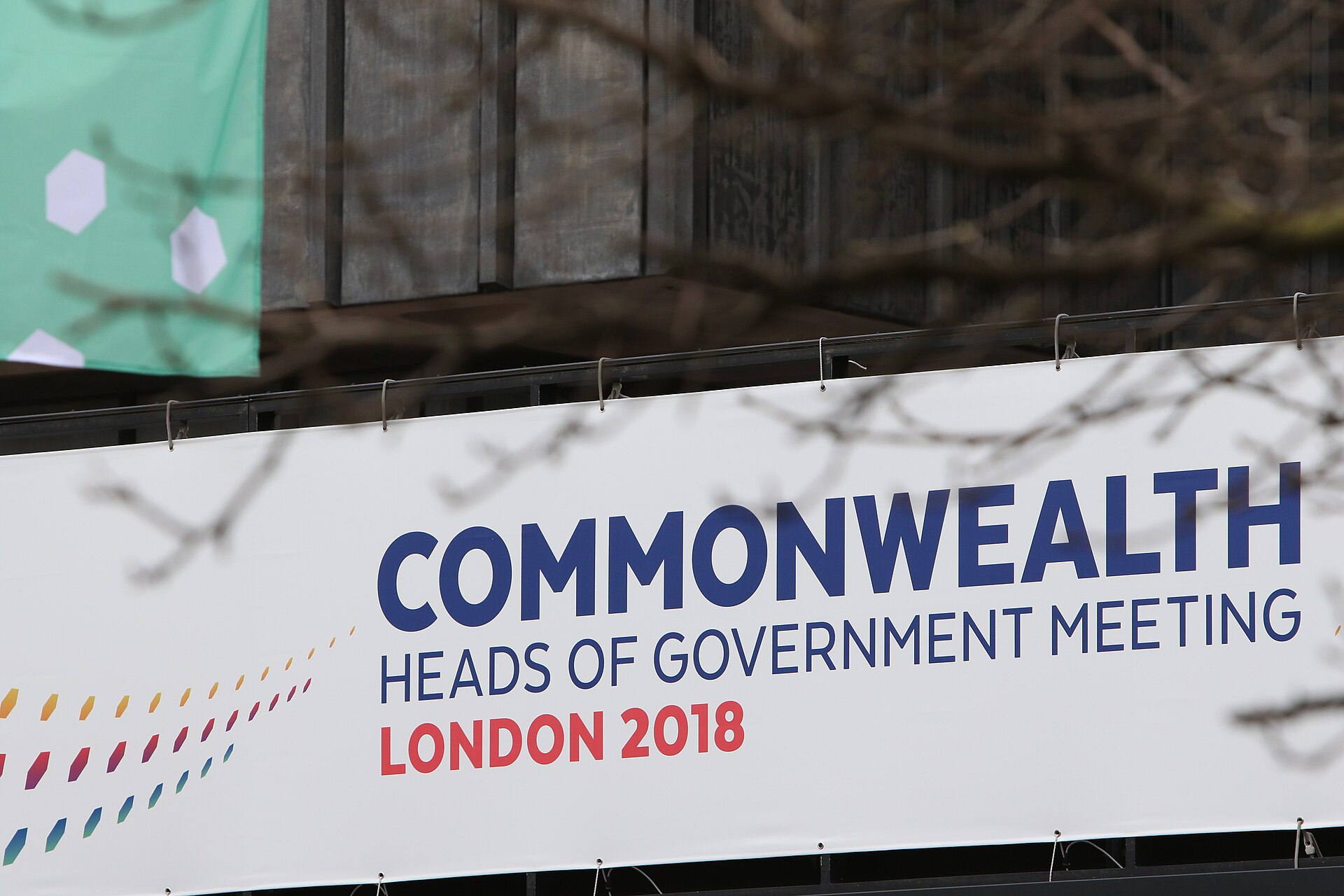
United Kingdom Reduces Overseas Aid Allocations for Commonwealth Nations Ahead of Summit
An analysis of financial projections reveals significant reductions in bilateral aid to Commonwealth countries, affecting environmental initiatives and developing economies.