
International Leaders React to U.S. Midterm Election Results and Congressional Shifts
Foreign officials across Europe, the Middle East, and Asia have responded to the outcome of U.S. midterm elections, offering varying perspectives on potential policy shifts.
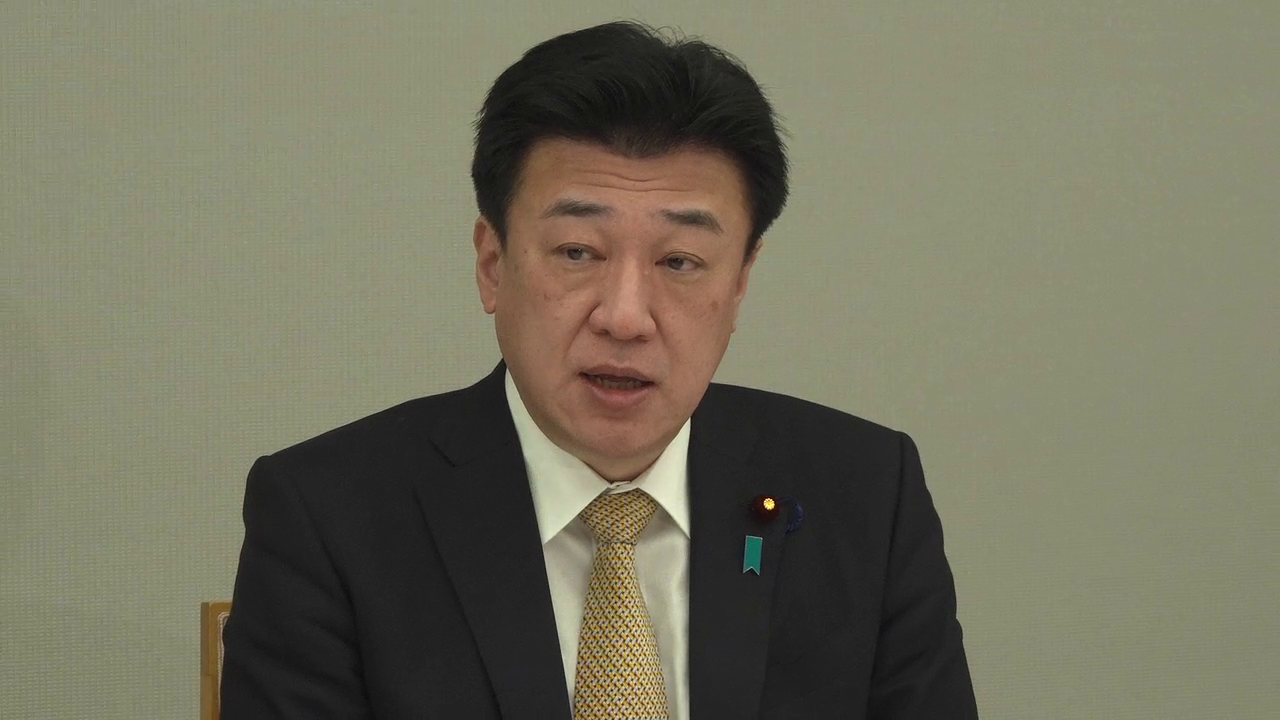
Foreign officials across Europe, the Middle East, and Asia have responded to the outcome of U.S. midterm elections, offering varying perspectives on potential policy shifts.
Following U.S.
Following U.S. midterm elections that secured majorities for Democrats in the House of Representatives and the Senate, several international figures shared reactions regarding potential shifts in American policy. The election results drew commentary from officials in Europe, the Middle East, and Africa following Tuesday's vote.
Spanish Prime Minister Pedro Sánchez posted on social media that American voters had rejected policies involving economic hardship, hate, sexism, climate denial, and elite privilege. Sánchez previously criticized U.S. and Israeli military operations against Iran and has experienced diplomatic friction with Washington over NATO defense spending.
European Parliament Vice President Christel Schaldemose expressed cautious optimism on social media following the results. Schaldemose stated that the outcome could potentially benefit support for Ukraine, the green transition, and international relations, while previously advocating for European autonomy in digital policy and climate matters.
A closer look
British Prime Minister Andy Burnham stated that the election outcome offered an opportunity for global leaders to collaborate on alleviating cost-of-living pressures and addressing the Middle East conflict. Burnham noted that easing local economic pressures depends on resolving the ongoing regional conflict, despite previous diplomatic differences between London and Washington over West Bank settlement activity.
Iranian Parliament Speaker Mohammad Baqer Ghalibaf asserted on social media that American voters had rejected war amid affordability concerns. Meanwhile, Japanese Chief Cabinet Secretary Minoru Kihara stated during a press briefing that the bilateral alliance with the United States remains foundational to Japan's security policy regardless of the election outcome.
South African President Cyril Ramaphosa also addressed reporters on Wednesday regarding the developments, as international leaders continued to assess the implications of the incoming shift in congressional power scheduled for January.
This report presents the named publisher’s account and has not yet been independently corroborated.
Continue reading
Defence desk ↗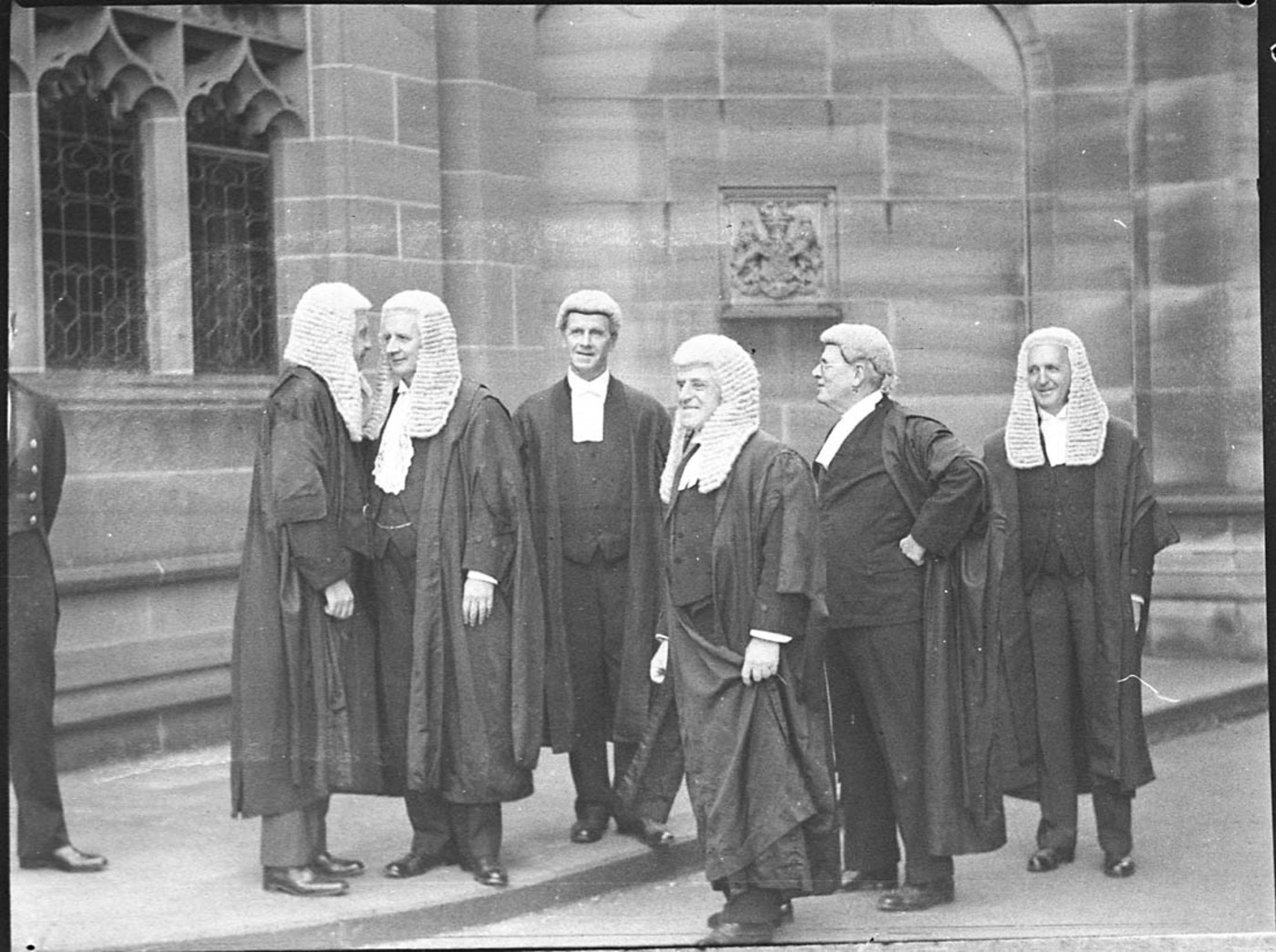
Former Police Officer Testifies He Left Scene After Seeing Ex‑Partner in Intimate Encounter
Beau Lamarre‑Condon told a NSW Supreme Court jury he froze and departed when he saw Jesse Baird with another man, denying that he remained to watch or photograph the incident.
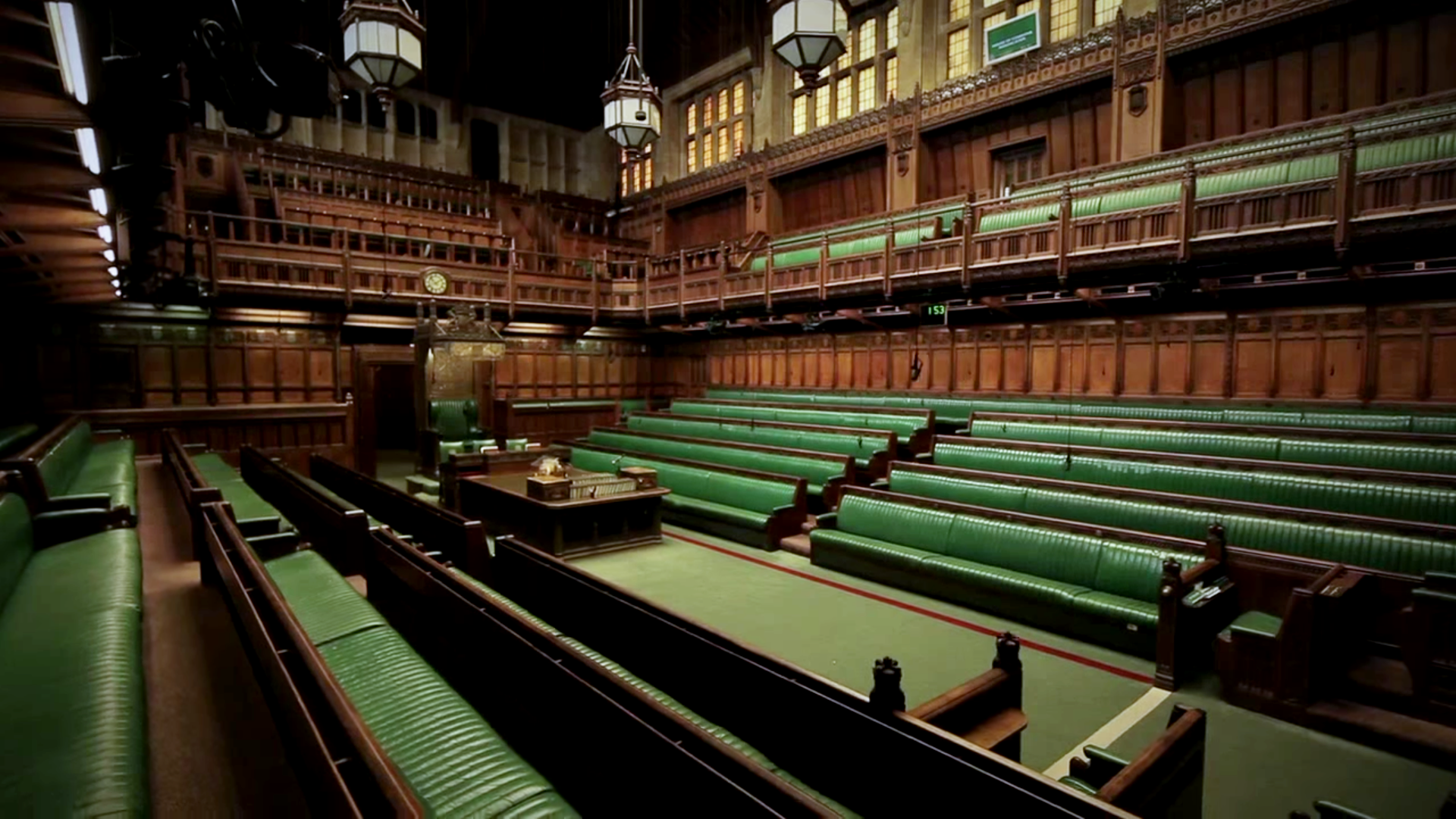
Reform UK Leader Attends House of Commons Following US Midterm Elections
Reform UK leader Nigel Farage attended Prime Minister's Questions in Westminster following the US midterm elections.
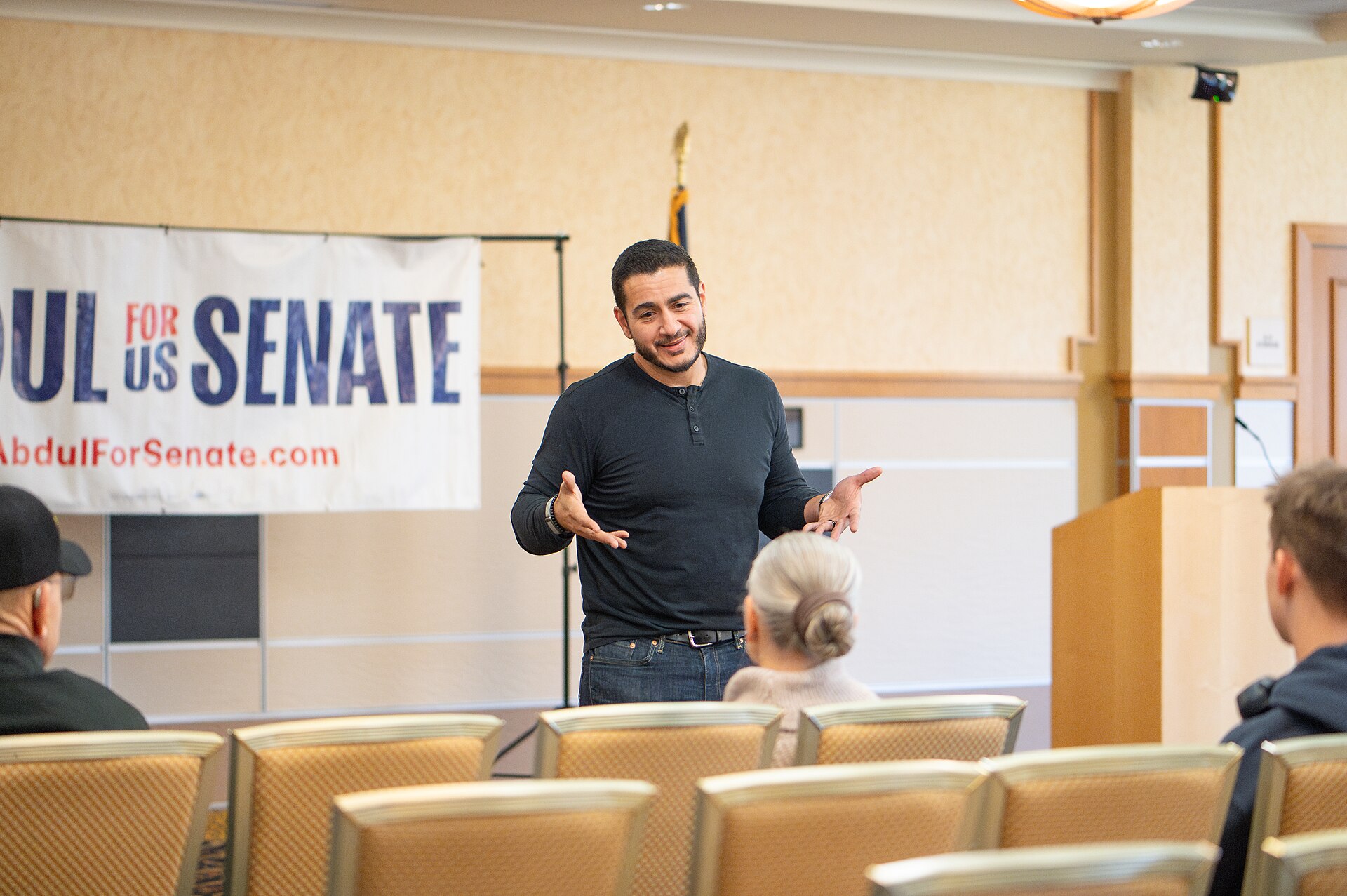
Historic Election Victories for Politicians with African Roots in US Midterms
Several candidates with African heritage, including Michigan's incoming senator and Colorado's newest congresswoman, secured historic victories in the United States midterm elections.