
Hong Kong court hands activist Joshua Wong a ten‑year prison term for foreign‑collusion charge
The High Court sentenced the 30‑year‑old pro‑democracy figure to ten years, with part of the term running concurrently with his existing sentence for subversion.
The High Court sentenced the 30‑year‑old pro‑democracy figure to ten years, with part of the term running concurrently with his existing sentence for subversion.
The story
On Thursday, Hong Kong’s High Court sentenced activist Joshua Wong to ten years’ imprisonment after he pleaded guilty to a charge of colluding with foreign forces under the city’s national security law. Judge William Tam described the conduct as a “grave” scheme to seek foreign interference, noting Wong’s alleged trips to the United States and his social‑media activity supporting calls for sanctions against China.
Wong, who first rose to prominence during the 2014 Umbrella Movement, is already serving a four‑year‑eight‑month term for a separate subversion conviction handed down in November 2024. The judge ordered that two years and two days of the new sentence run concurrently with the existing term, meaning Wong will remain incarcerated for a total of roughly twelve years from the date of sentencing.
The court hearing was attended by a crowd of supporters who queued for hours outside the building, as well as a contingent of international diplomats. Wong entered the courtroom in a dark‑blue shirt and black‑rimmed glasses, nodded to the public gallery and took notes while the judge read the sentencing remarks.
A closer look
Nathan Law, a self‑exiled Hong Kong activist mentioned in the prosecution’s case, issued a statement calling the verdict “incredibly sad” and saying it signals a determination to suppress democratic aspirations. Amnesty International’s deputy regional director, Sarah Brooks, described the sentence as “another grim reminder of how Hong Kong’s national security law has become a tool to punish dissent.”
Authorities maintain that the national security law, introduced in 2020, is necessary to preserve stability, while critics argue it has been used to curb political opposition. The sentencing adds to a broader pattern of prosecutions under the law, which has drawn international attention and concern over Hong Kong’s autonomy and civil liberties.
Read the source reports and compare their framing:
Continue reading
Politics desk ↗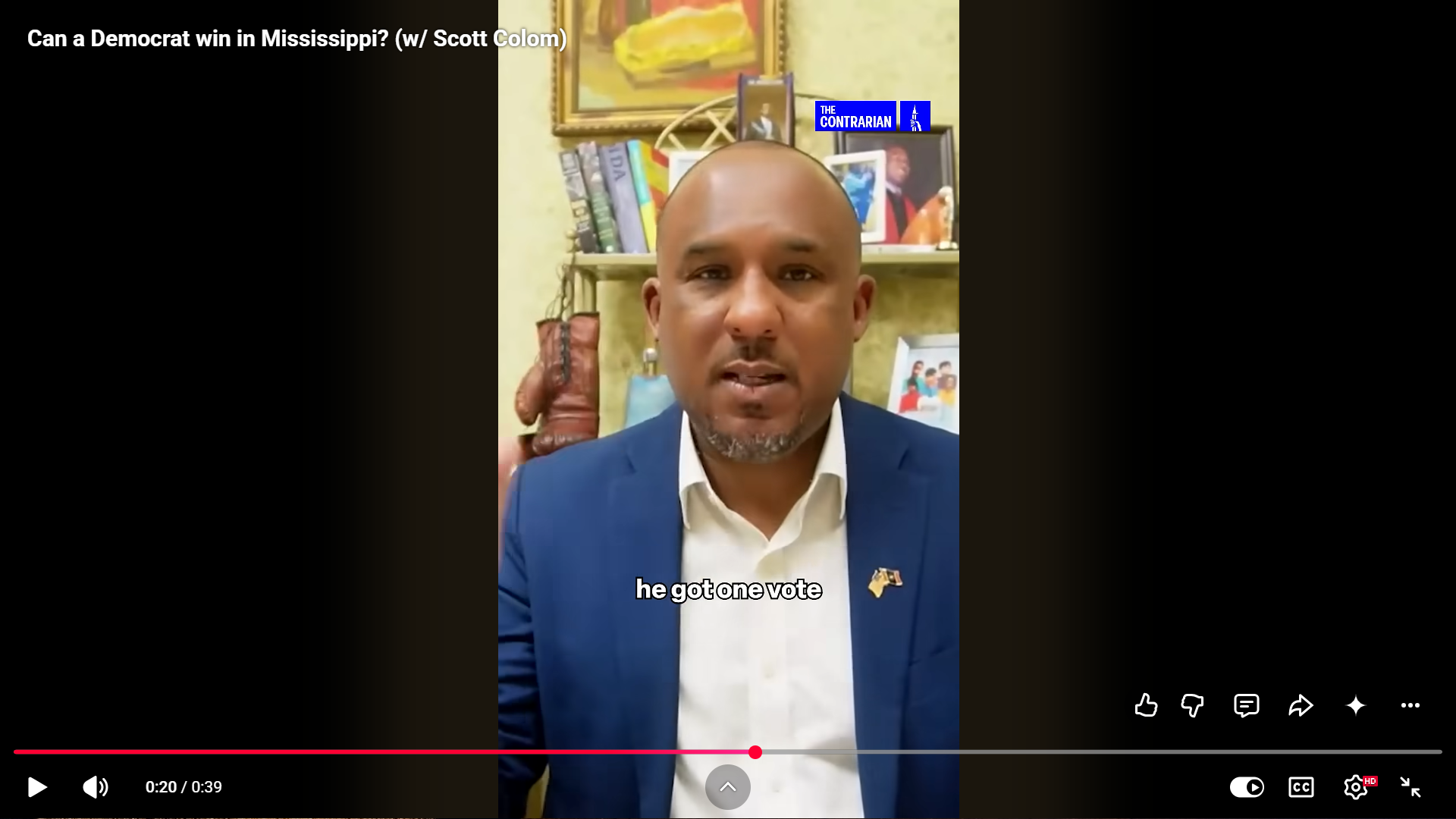
Mississippi Senate Contest Remains Within a Few Hundred Votes
With 96% of ballots counted, Democratic challenger Scott Colom leads incumbent Republican Cindy Hyde‑Smith by roughly 1,100 votes, prompting analysts to warn the final outcome may not be known for several days.
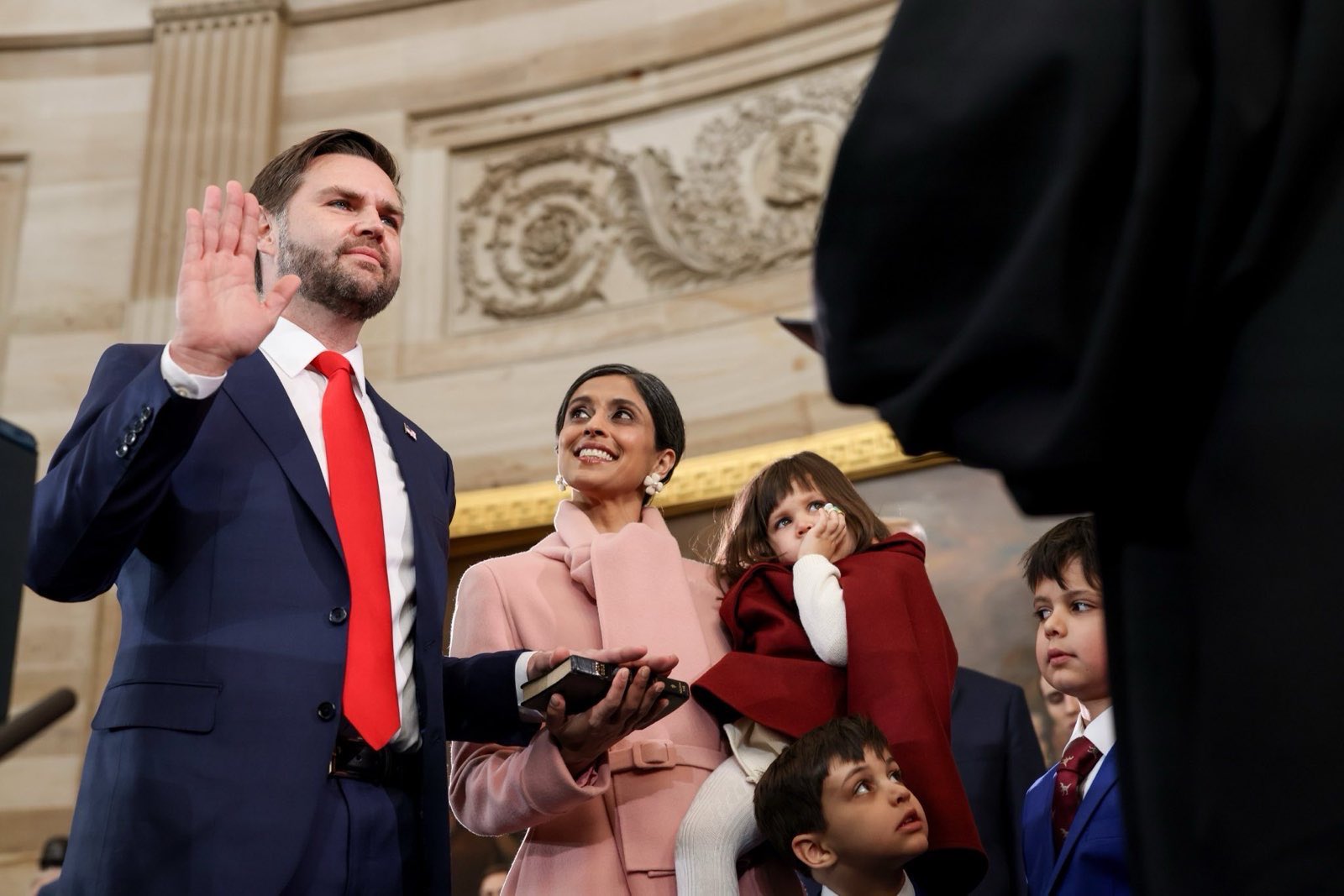
Vice President Vance Signals New GOP Outreach to Disaffected Trump Supporters
Following the 2024 midterm elections, Vice President JD Vance posted remarks attributing Republican losses to the Iran conflict and outlined four priorities he says could restore voter support, while senior administration officials discussed post‑election messaging.
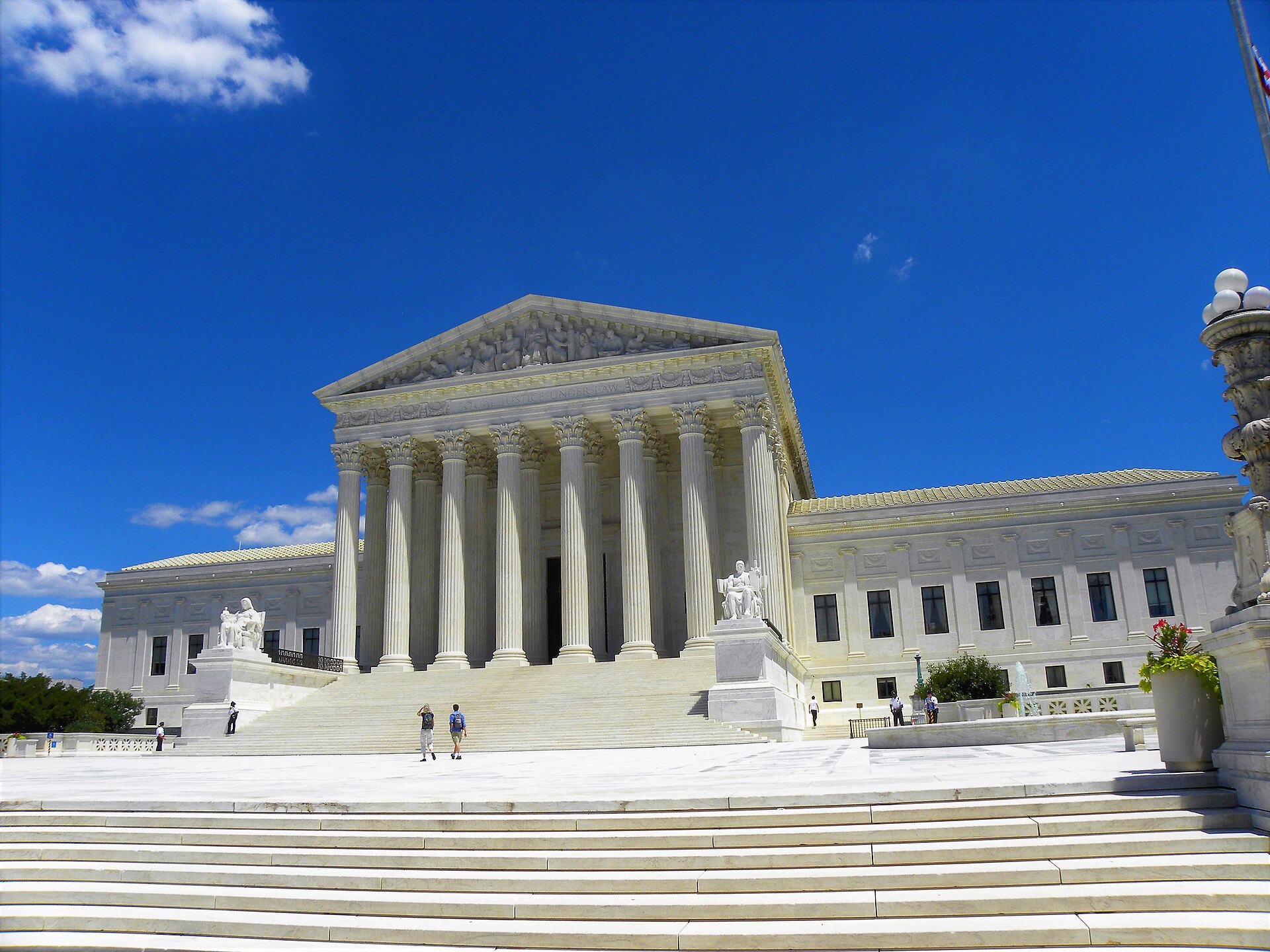
US Midterm Election Results Prompt Questions Over Supreme Court Longevity and Conservative Majority
Following a Democratic congressional victory, attention turns to the future service of Supreme Court Justices Clarence Thomas and Samuel Alito.