
UN trade body forecasts zero growth in global shipping as chokepoints raise costs
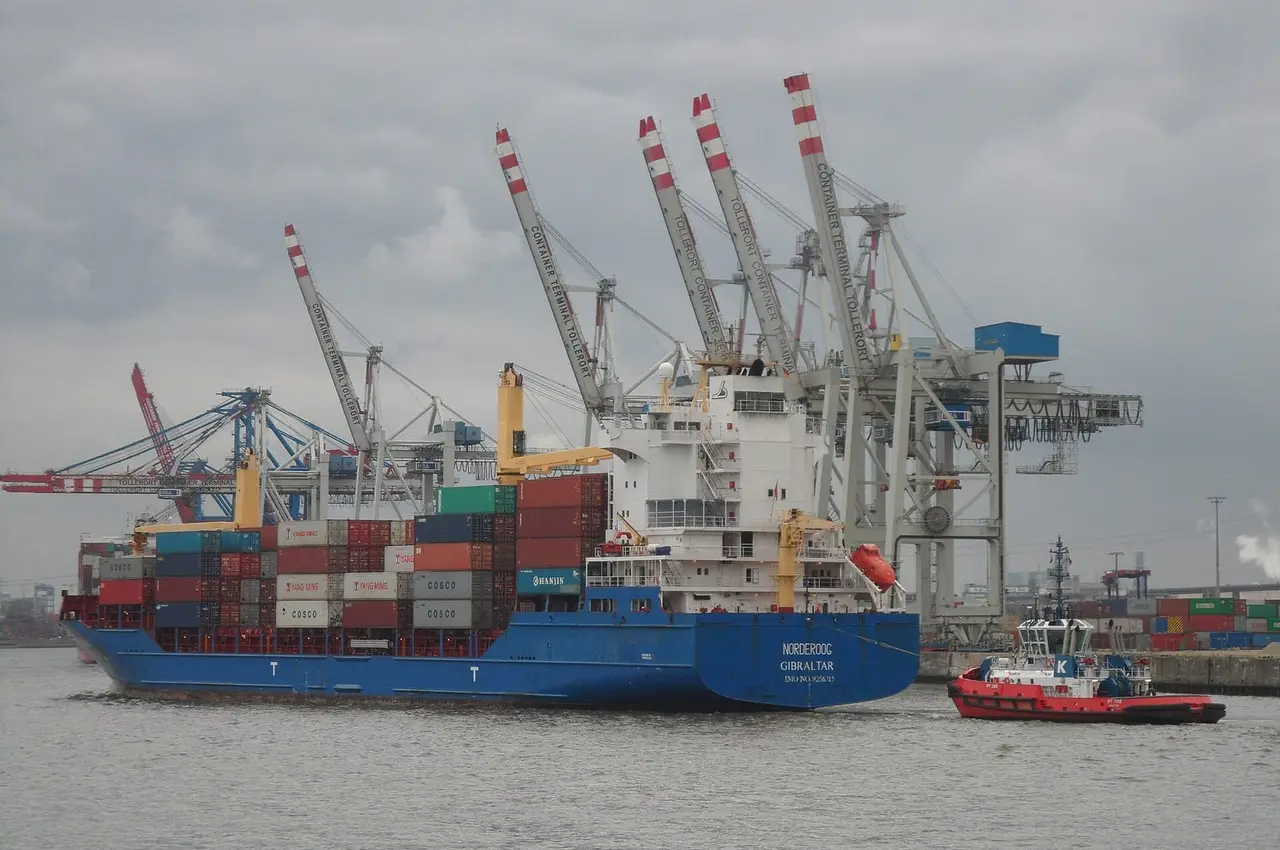
UNCTAD expects seaborne trade to stall in 2026 after 12.3 billion tonnes moved last year, while a container ship now takes longer routes around the Red Sea, Hormuz, the Black Sea and the Panama Canal.
 Carlos Mendoza · Published · 2 min read
The story
Global maritime trade is projected to record zero growth in 2026, according to the United Nations trade and development agency, after seaborne trade reached 12.3 billion tonnes in 2025 and grew by 1.9 per cent, down from 3.9 per cent in 2024.
Even with stagnant volumes, demand measured in tonne-miles is expected to rise by about 1.5 per cent in 2026, because cargo is travelling further to avoid dangerous or congested routes — the detours that now shape schedules at terminals from Hamburg to Singapore.
The cost of that detour is showing up in freight markets. Container spot rates more than doubled between January and August, and the agency warns that developing countries bear a disproportionate share of the burden because they depend more heavily on imported fuel, food and manufactured goods.
A closer look
UNCTAD estimates that a sustained 70 to 80 per cent increase in maritime fuel costs would raise consumer prices by 0.35 per cent in the least-developed countries, compared with 0.19 per cent globally. The effect is compounded for landlocked and small island economies, which pay more for transport before any disruption is added.
The agency projects a recovery in maritime trade growth to 3.2 per cent in 2027, but says the outlook depends on whether shipping can move through the main chokepoints again and on investment in port and fleet resilience. It argues that countries should treat transport connectivity as infrastructure policy rather than as a private cost of trade.
The forecast adds to a picture of slowing goods trade already visible in tariff disputes and weaker industrial demand. For exporters in Asia, Latin America and Africa, the risk is not only that volumes stall but that the cost of moving what they sell stays high even if the security situation in the Red Sea and the Gulf improves.
Continue reading
Business desk ↗
SpaceX wins approval to put a million data-centre satellites in orbit
The FCC called Starmind the first US authorisation of its kind, while astronomers and Amazon warned about debris and the night sky.

Anthropic’s record-size IPO opens at $111.50 before slipping below $100
The AI startup raised $81 billion in its debut, but the share price fell back to $97.17 by market close as broader AI-related stocks declined.

Nvidia Shares Decline Following Announcement of Independent Probe into Chief Executive
Nvidia shares dropped after the company announced an independent investigation into Chief Executive Jensen Huang's relationship with an alleged foreign intelligence operative.