
Rising Temperatures Threaten Health and Safety in Bangladesh Garment Sector
Escalating indoor temperatures inside apparel factories across Bangladesh present significant health and operational challenges for millions of employees.
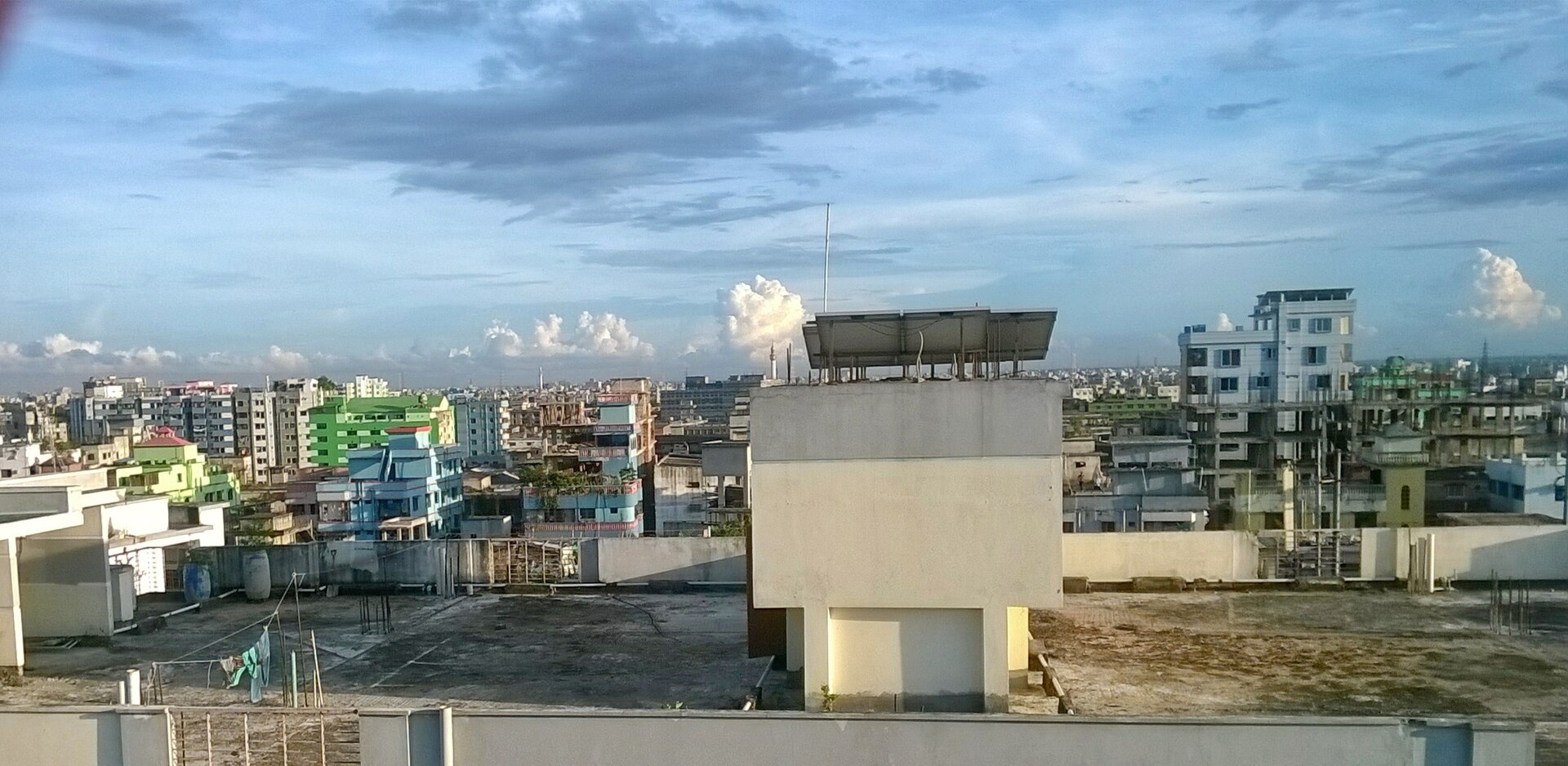
Escalating indoor temperatures inside apparel factories across Bangladesh present significant health and operational challenges for millions of employees.
The story
Elevated ambient temperatures across Bangladesh have generated occupational health challenges for the nation's 4.2 million apparel sector employees, according to reporting by Mongabay. World Bank figures indicate that maximum temperatures nationwide have increased by approximately 1.1 degrees Celsius since 1980. The capital city of Dhaka recorded a high of 40.6 degrees Celsius in April 2023 and experienced a continuous 30-day heat wave in 2024.
A research study published in 2025 revealed that peak indoor temperatures inside clothing manufacturing facilities surpass 35 degrees Celsius on 37 percent of monitored days, occasionally exceeding 40 degrees Celsius during peak summer periods. This thermal stress impacts the physical well-being of personnel. For example, a 20-year-old Dhaka sewing operator named Mridula fainted at work due to dizziness caused by intense heat and was subsequently diagnosed with jaundice, a condition intensified by dehydration and physical strain.
Healthcare personnel stationed at Dhaka apparel facilities document an increasing frequency of dehydrated employees experiencing low blood pressure. Medical staff also observe a distinct rise in needle-related injuries from sewing machinery and accidental falls during the warmer months. Comprehensive data regarding indoor heat-related medical conditions continues to be limited.
A closer look
Aaron Bach, a co-author of the 2025 study from Griffith University in Australia, stated that factory medical clinics are designed for immediate emergencies rather than screening for chronic ailments. Bach noted that Bangladesh's 2024 National Guideline on Heat-Related Illness concentrates on outdoor employment rather than indoor manufacturing settings, and observed that prior safety reforms following the 2013 Rana Plaza disaster focused primarily on structural and fire risks rather than occupational heat.
Cara Schulte, a researcher at Climate Rights International, stated that labor rights concerns compound thermal risks for employees. Schulte noted that recommendations to consume additional water are ineffective if workers lack access to clean drinking water on site or are restricted from leaving production lines to visit restrooms.
The thermal conditions also create financial impacts for the apparel industry. An evaluation conducted by the Global Labor Institute at Cornell University in the United States identified a 4.1 percent annual revenue decrease linked to heat at a participating manufacturing facility. Md. Manirul Islam, deputy director of research at the Bangladesh Institute of Labour Studies, stated that national legislation mandates thermal control within factories, but added that weak enforcement and temporary cooling methods, such as wetting facility roofs, fail to resolve underlying safety concerns. Researchers emphasize that enforceable thermal regulations and investments in sustainable cooling methods, including thermal insulation, reflective roof coatings, and enhanced ventilation, are necessary to safeguard personnel and sustain production output.
This report presents the named publisher’s account and has not yet been independently corroborated.
Continue reading
Business desk ↗
Former Staff Reflect on Luxury Era of David Jones Department Stores
Former employees of David Jones recall rigorous training, theatrical window displays, and personalised service during the department store's heyday.

Channel 4 Cancels Reality Series Following Investigation and Review
The British broadcaster has permanently pulled the reality program from its schedule after a review prompted by sexual assault allegations.

Socceroos Await World Cup Payments Amid US Tax Complications
Members of Australia's World Cup squad are yet to receive match fees three months after the tournament, as Football Australia cites North American tax complexities.