California Gov Newsom boosts AI regulation as he eyes 2028 presidential run
California Governor Gavin Newsom has signed an executive order to examine kill switches for AI models and other measures he had earlier vetoed.
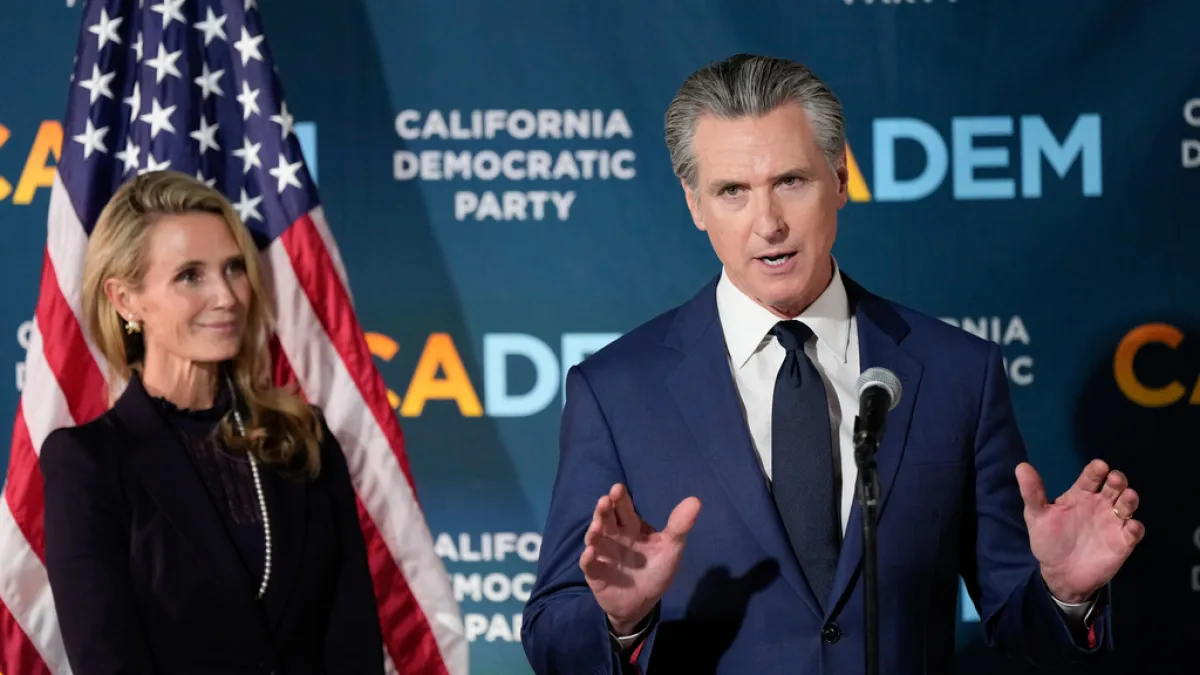
California Governor Gavin Newsom has signed an executive order to examine kill switches for AI models and other measures he had earlier vetoed.
The full report
California Governor Gavin Newsom has signed an executive order to examine kill switches for AI models and other measures he had earlier vetoed.
The executive order, signed as Newsom's final term as governor ends in January, asks for independent verification of artificial intelligence models and sets up an expert committee to create kill switches for AI agents that could go rogue and cause harm.
Newsom had previously vetoed a bill passed in the state assembly in 2024 that asked for similar requirements, citing that it would amount to
thwarting the promise of this technology
according to Al Jazeera.
However, with Newsom eyeing a 2028 United States presidential run, he wants to expand the definition of safety incidents, potentially to include the recent series of safety breaches, explore a kill switch and include other measures that were in the vetoed bill.
US voters are increasingly concerned about AI safety, data centres and job losses, and this could show Newsom is acting to address this, according to Alex Hanna, director of research at the Distributed AI Research Institute (DAIR).
Newsom had asked Scott Wiener, the state senator who drafted the bill, to redraft it in consultation with an expert committee after vetoing the 2024 bill, and signed the frontier AI bill, the nation's first, into law in October 2025.
The bill asks large developers to disclose certain safety incidents, including the deaths of 50 or more people, large-scale cyberattacks or monetary theft, and AI companies have reportedly had thousands of safety incidents in internal and real-world tests in the last few months.
This report presents the named publisher’s account and has not yet been independently corroborated.
Continue reading
Politics desk ↗
France tackles new wave of nationwide protests
Nationwide protests in France turn violent as police and protesters clash over high prices and social inequalities.
Pope Leo leaves hospital after cancer surgery
Pope Leo XIV leaves hospital after successful lung cancer surgery
Elon Musk agrees to settle lawsuits over 2024 election lottery
Elon Musk agrees to settle lawsuits over 2024 election lottery promise