
Accessible Reading Groups Foster Connection for Readers With Disabilities
Traditional reading groups are expanding to include diverse formats, offering participants with print disabilities increased connection and access to literature.
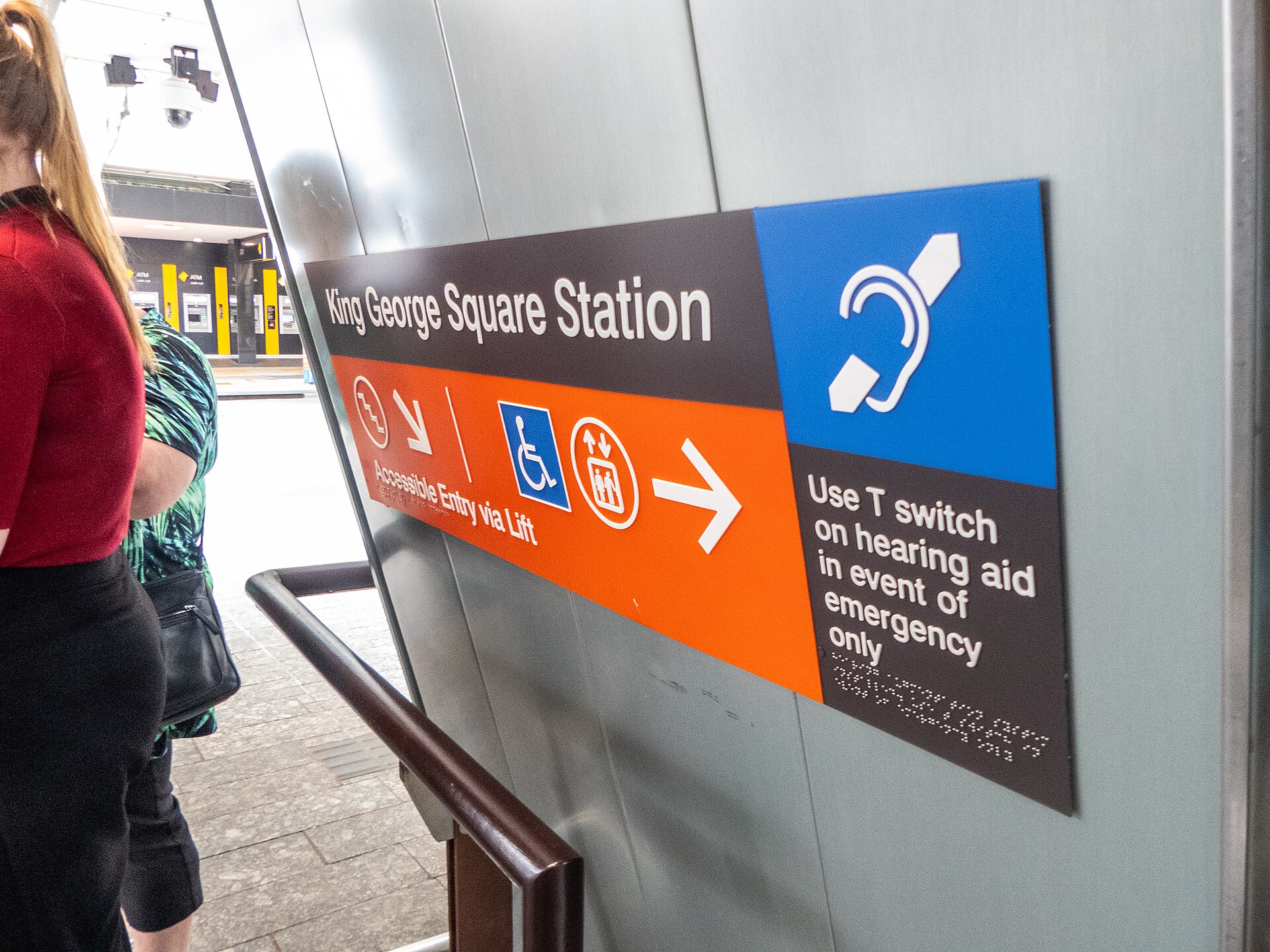
Traditional reading groups are expanding to include diverse formats, offering participants with print disabilities increased connection and access to literature.
The story
Reading groups are increasingly adapting to accommodate various preferences and accessibility needs, ranging from social gatherings paired with beverages or music to specialized formats designed for individuals with disabilities. These developments highlight a shift away from conventional literary circles toward inclusive environments.
For participants like Leonie Barber, a resident of Cairns who is vision-impaired, specialized reading communities provide essential social links. Barber stated that participating in the Vision Australia Book Club has helped her feel more connected and less isolated, praising the selection of interesting titles discussed during monthly meetings.
The library service utilizes a broad range of formats to support readers who experience physical or print-related barriers. Members include individuals with conditions such as dyslexia, Parkinson's disease, and paraplegia, as well as amputees who may struggle to hold physical books.
A closer look
Participants access the organization's catalogue through various methods tailored to their needs. While some members read using braille, others download audiobooks directly to smartphones or utilize specialized handheld digital tools such as Envoy audio players and Victor Reader Streams.
Barber noted the high demand for accessible materials, mentioning that she had already reached her monthly limit of 20 books from the library catalogue. According to participants, these structured literary programs offer valuable opportunities for engagement among older adults and individuals living with disabilities.
This report presents the named publisher’s account and has not yet been independently corroborated.
Continue reading
Lifestyle desk ↗
Burnt out at work? Combining short breaks with these strategies may help
Combining short breaks with intentional work strategies may help prevent burnout

The debating club that helped shape NHS architect Aneurin Bevan's drive for power
The Query Club, a semi-secret society, played a significant role in shaping the ideas of Aneurin Bevan, the founder of the NHS.

The joy of veg-maxxing: how to eat many, many more plants – without really trying
Eating more plants has never been more important, with a new report revealing that many crops are less nutritious than they once were. Here's how to easily and affordably increase your fruit and veg intake.