Burnt out at work? Combining short breaks with these strategies may help
Combining short breaks with intentional work strategies may help prevent burnout

Combining short breaks with intentional work strategies may help prevent burnout
The full report
Combining short breaks with an intentional focus on organising work tasks can help people better regulate their energy levels, according to a recent study by the University of Queensland's School of Psychology. The study, led by Associate Professor Stacey Parker, involved 91 participants and analysed over 600 work hours to examine different approaches to managing energy levels at work and their effect on staff wellbeing, motivation, and stress.
Taking micro-breaks, such as taking a quick walk or chatting to a colleague, can improve focus and energy levels at work, and also aid in the prevention of serious health conditions, such as type 2 diabetes, deep vein thrombosis, and gout. Scott Pedersen, a senior lecturer at the University of Tasmania, explained that enzymes in our blood protect us from these conditions, but they shut off after about 45 minutes of sedentary activity.
By simply standing up and moving, people can reactivate these enzymes and engage their core muscles, which can help prevent these health conditions. Dr Parker's team found that five common patterns, or energy-management profiles, tend to be adopted throughout workdays, with the most effective profile pairing micro-breaks with work-related strategies, such as organising, setting goals, and reflecting on meaning.
The study suggests that combining short breaks with intentional work strategies can improve productivity, boost mental wellbeing, and help people better manage energy levels. This approach can also improve work-life balance and boost productivity and focus when working from home.
This report presents the named publisher’s account and has not yet been independently corroborated.
Continue reading
Lifestyle desk ↗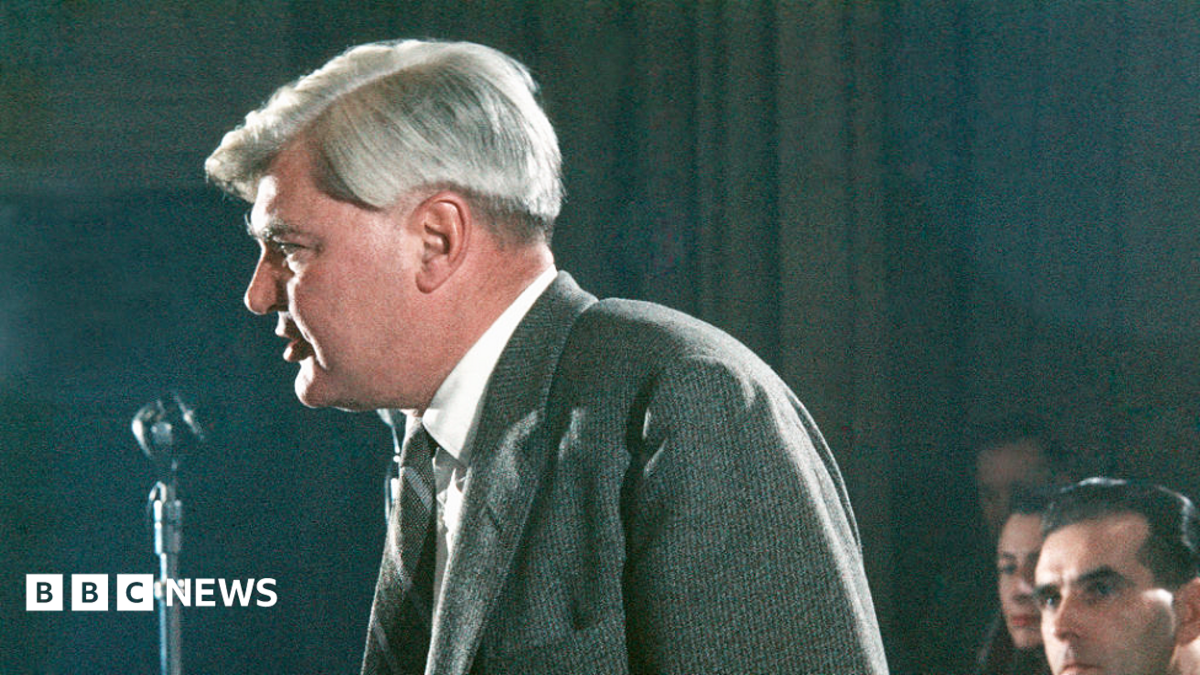
The debating club that helped shape NHS architect Aneurin Bevan's drive for power
The Query Club, a semi-secret society, played a significant role in shaping the ideas of Aneurin Bevan, the founder of the NHS.

The joy of veg-maxxing: how to eat many, many more plants – without really trying
Eating more plants has never been more important, with a new report revealing that many crops are less nutritious than they once were. Here's how to easily and affordably increase your fruit and veg intake.
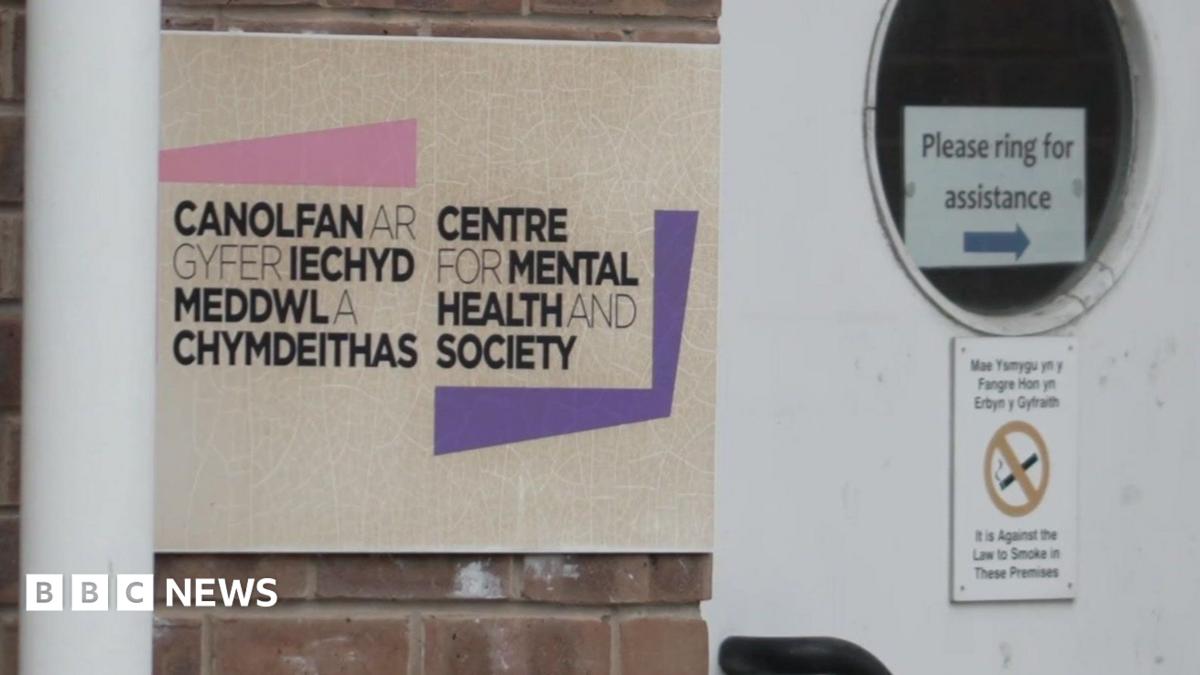
Health board still paying for research despite criticism over patient benefit
Health board continues to fund university research centre despite criticism over patient benefit