Billionaires want to colonise the Moon but whether they can is complicated
Plans for long-term lunar activity raise an old legal question: how far can states and companies go without claiming the Moon itself?
Plans for long-term lunar activity raise an old legal question: how far can states and companies go without claiming the Moon itself?
The full report
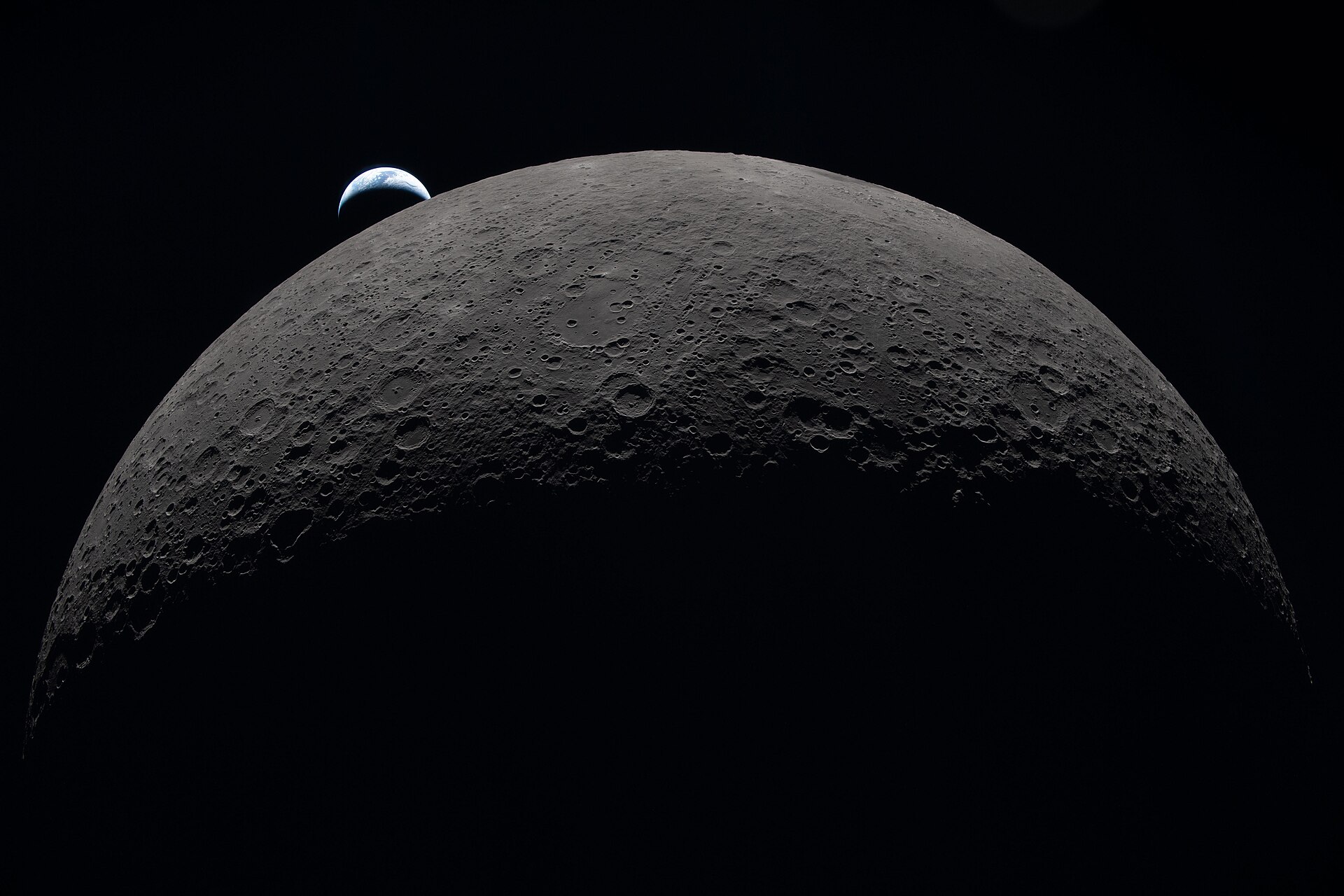
New plans for long-term activity on the Moon are bringing the law of space back into focus. Commercial figures including Elon Musk and Jeff Bezos have described ambitions for lunar settlement, while governments are considering infrastructure for future missions. Those plans remain ambitions, not established settlements. The immediate legal question is what an organisation can build, use or extract without claiming ownership of the Moon itself.
The starting point is the 1967 Outer Space Treaty. Its Article II says outer space, including the Moon, is not subject to national appropriation through sovereignty, occupation or use. Article I frames exploration and use as activities open to all countries. The treaty also requires the Moon to be used for peaceful purposes. ABC News notes that these principles emerged during the Cold War, when both superpowers were racing to establish a presence beyond Earth.
The treaty's ban on national territorial claims does not answer every practical question that a future lunar operation might raise. Access to a landing site, the use of equipment and the handling of extracted resources may create disputes even without a formal claim of sovereignty. Those are questions for law and diplomacy as well as engineering. It would be misleading to infer that a company's stated plan gives it title to lunar ground, or that the treaty prohibits every form of use.
For now, the clear point is that no country can make the Moon its territory under the treaty. How competing missions operate alongside one another will depend on agreements and conduct as lunar activity grows. This report draws on ABC News's legal explainer and the treaty provisions it cites, rather than predicting that any proposed colony will be built.
Reporting status
This original NewNWS report was drafted from the cited source material and passed a second evidence check. Claims that remain the account of one publisher are attributed in the source disclosure below.
This automated report presents the named publisher’s account and has not yet been independently corroborated.
Continue reading
Technology desk ↗
Australia Plans to Make AI Companies Prove Their Safety Systems Work
Australia to regulate AI companies' safety systems