Basque migrants transformed town and left behind heritage handball court
Basque migrants transformed a north Queensland town and left behind a heritage-listed handball court.
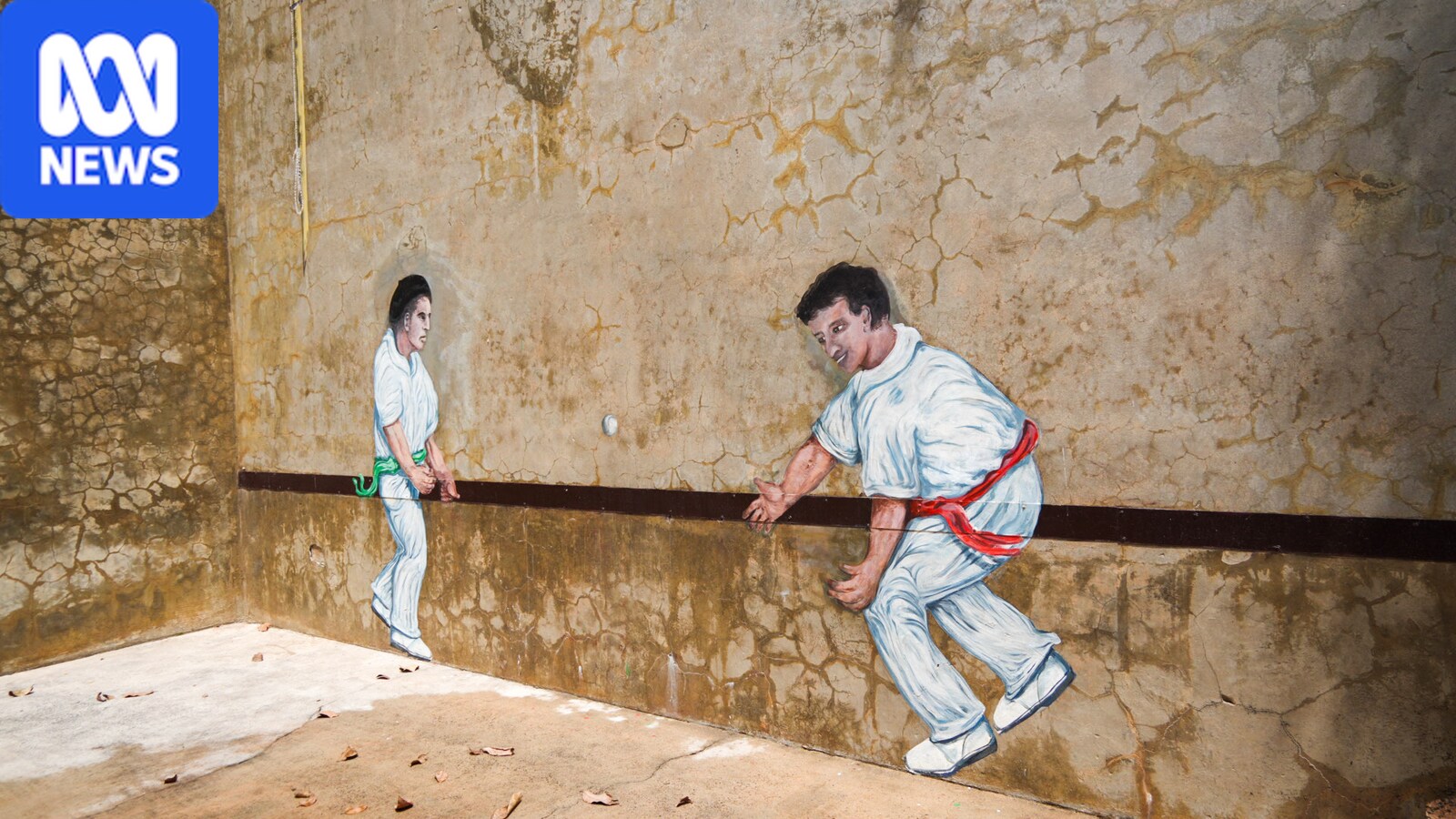
Basque migrants transformed a north Queensland town and left behind a heritage-listed handball court.
The full report
A heritage-listed handball court in Trebonne, north Queensland, holds stories of workers who saved an industry and a culture that is experiencing a resurgence. The court is one of only two left in the country and is a reminder of the significant contribution made by Basque migrants to the region.
Basque migrants were brought to north Queensland in the 1950s as part of three migrant recruitment drives, known as operations Emu, Eucalyptus and Kangaroo. At least 700 Basque workers were recruited to manually harvest sugar cane, helping to save the industry during post-WWII labour shortages.
Historian and adjunct James Cook University lecturer Bianka Vidonja Balanzategui described the Basques, along with the Italians, as "saviours of the sugar industry". The Basques have preserved their own language and culture, and their presence in north Queensland has had a lasting impact on the region.
The handball court in Trebonne was built in 1959 to play pelota mano, a traditional game where competitors hit a ball against a wall and try to score points against their opponent. The court is a significant cultural artifact and a testament to the enduring legacy of the Basque community in north Queensland.
Marie-V Wherry, a Basque woman who grew up in Trebonne, is proud to say that the town was once the centre of Basque civilisation in Australia. She believes that the handball court and other cultural artifacts in the town are an important part of the region's history and identity.
This report presents the named publisher’s account and has not yet been independently corroborated.
Continue reading
Australia desk ↗
Outer Sydney residents face higher car costs due to public transport scarcity
Outer Sydney residents face higher car costs due to public transport scarcity

‘Extreme risk’: 8yo returned to cult parents
Child Safety workers overrode hospital warnings to return 8yo to cult parents