With Strict Agendas and Silent Corridors Kazakhstan’s Kurultai Is Muzzling the Press
Kazakhstan's Kurultai restricts press freedom, sparking concerns from journalists and human rights organizations.
Kazakhstan's Kurultai restricts press freedom, sparking concerns from journalists and human rights organizations.
The full report
Kazakhstan's Kurultai, the country's unicameral parliament, has introduced new rules restricting the freedom of the press. According to The Diplomat, journalists are no longer allowed to question deputies in the corridors, and must instead interact with them exclusively within the press center and in relation to the Kurultai's agenda. The Deputy Chief of Staff of the Kurultai, Bolat Kalyanbekov, explained that the goal of the new rules is to communicate the substance of draft laws to the public in a clear and comprehensive manner. However, Fiona O'Brien, the Europe and Central Asia regional director for the Committee to Protect Journalists (CPJ), sees the restrictions as a threat to press freedom. She argues that allowing journalists to informally approach and question deputies is a standard practice in established democracies.
The CPJ's O'Brien notes that Kazakhstan deems itself a democratic state, but is classified as Not Free by human rights organizations such as Freedom House. She believes that the restrictions on movement and questions implemented in Kazakhstan are more common in authoritarian or hybrid environments. The CPJ has expressed concerns that the new rules will close down the last avenues for journalists to freely question parliamentarians on issues not decided in advance by the authorities.
A group of around 40 journalists accredited to the Kurultai have sent an appeal to Aibek Dadebay, chair of the body, demanding revision of the new media rules. The journalists argue that the restriction of questions to agenda-items only is a threat to their ability to inform the public broadly and promptly. They note that a briefing that repeats what has already been said at the meeting provides no new information.
The appeal has sparked concerns that the new rules will stifle free speech and limit the ability of journalists to hold those in power accountable. The CPJ has expressed its support for the journalists' appeal and has called on the Kurultai to revise the new media rules to allow for greater freedom of the press.
This report presents the named publisher’s account and has not yet been independently corroborated.
Continue reading
Defence desk ↗
North Korean leader Kim Jong Un arrived in China's border city
North Korean leader Kim Jong Un arrives in China's border city of Dandong via newly opened bridge
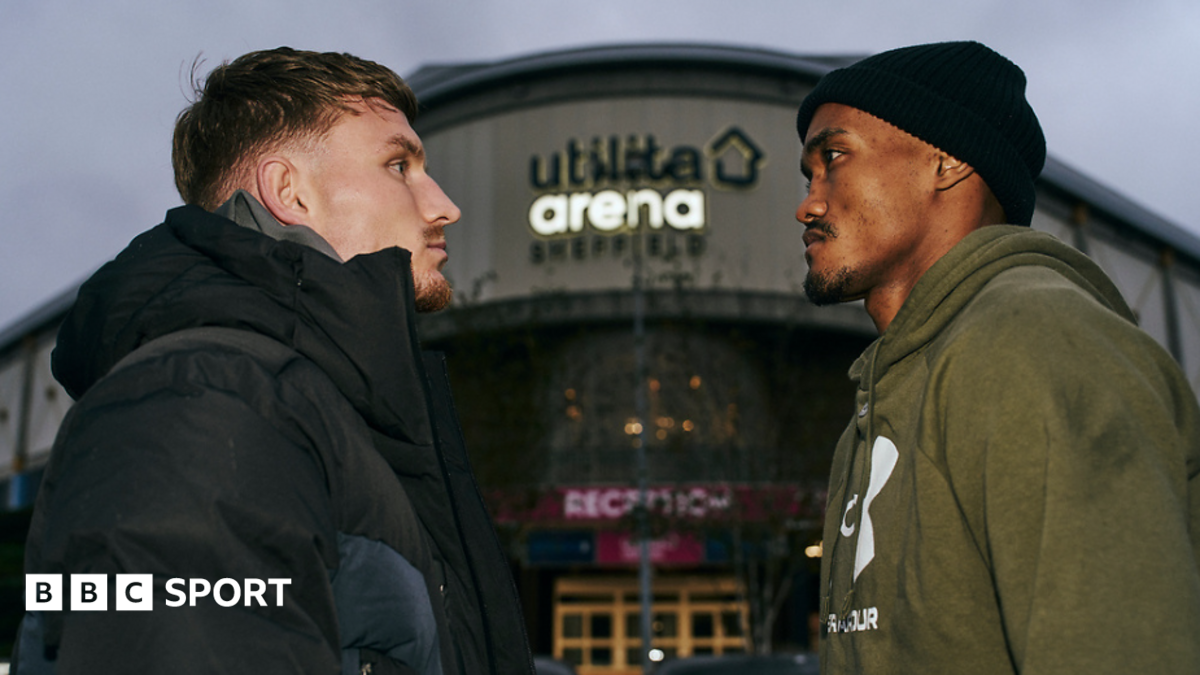
Smith v Puello world title fight predictions
World Series predictions: Will the Rays or Brewers claim their first title?
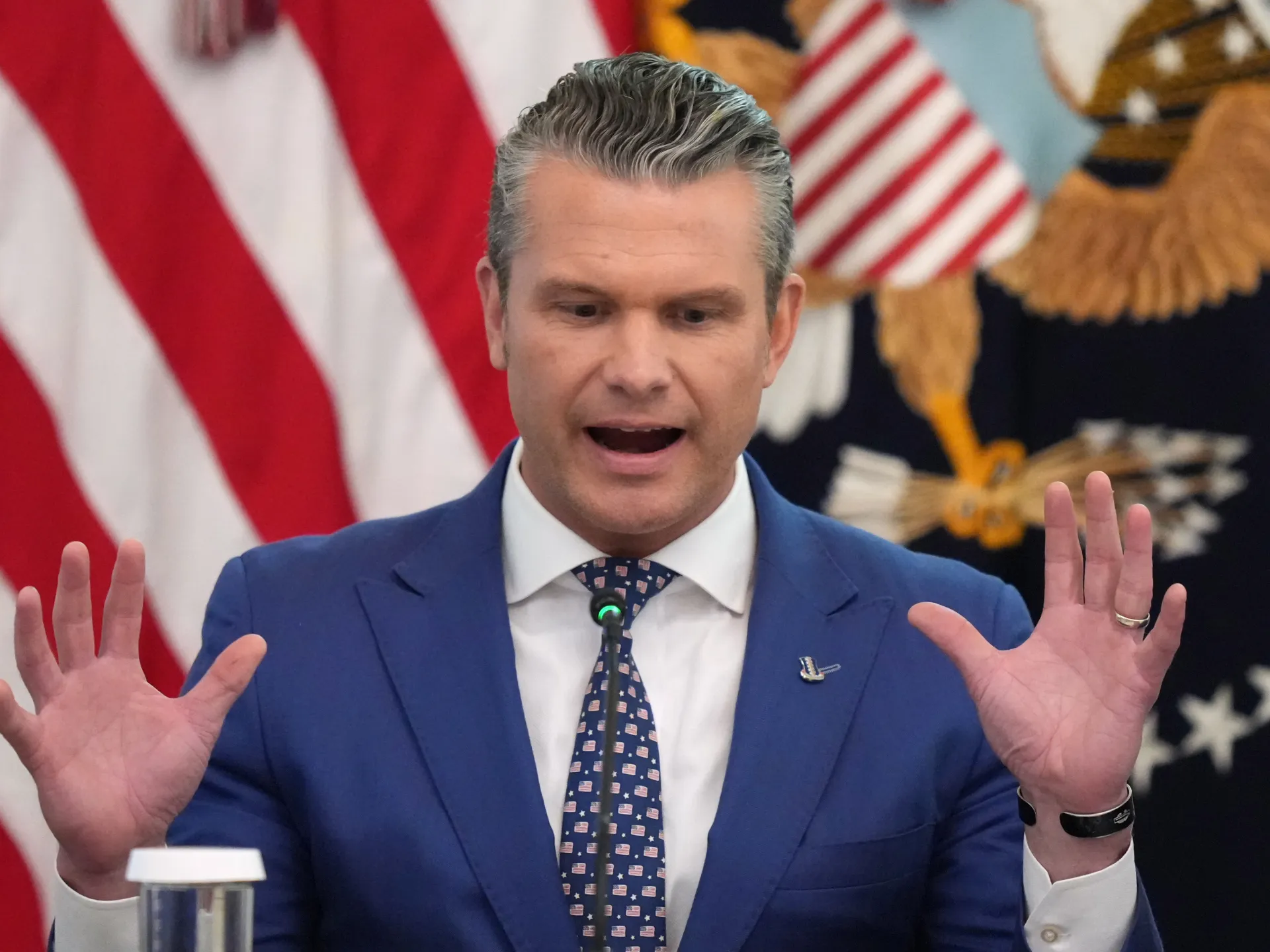
Pentagon designates Confucius Institutes a national security threat
US Defense Secretary Pete Hegseth designates Confucius Institutes a national security threat.