Why have France’s school protests become a wider political crisis?
France's school protests have united students and 'yellow vest' supporters, exposing deeper anger over living standards.
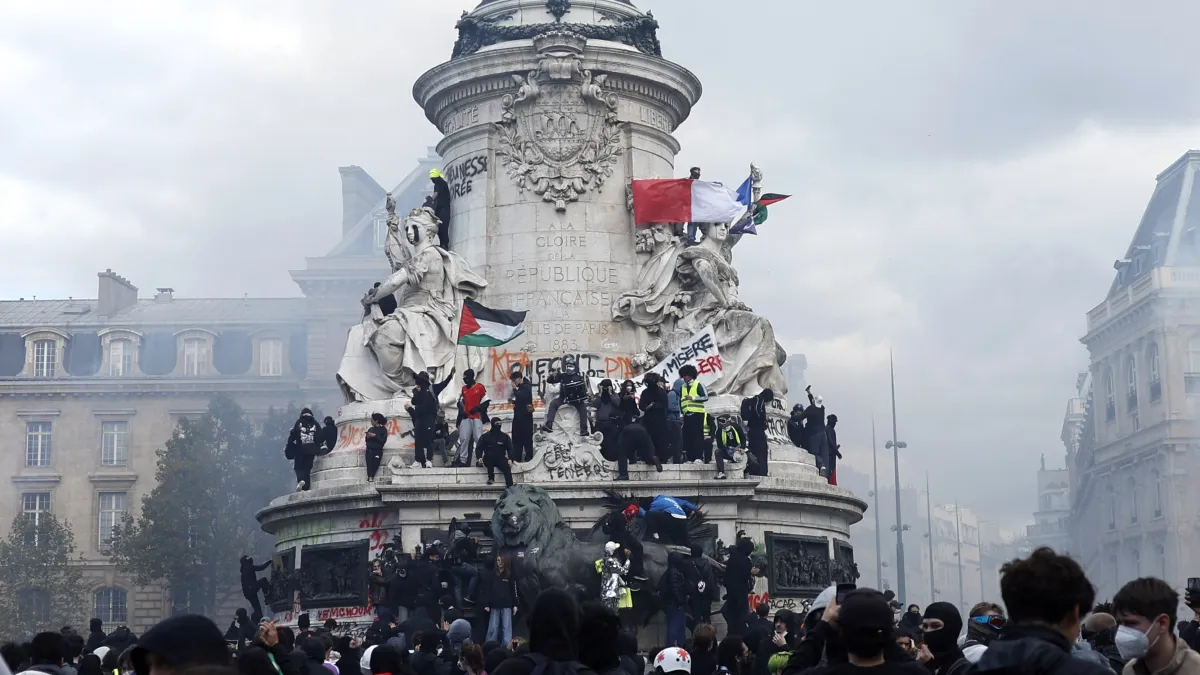
France's school protests have united students and 'yellow vest' supporters, exposing deeper anger over living standards.
The full report
France's school protests have united students and 'yellow vest' supporters, exposing deeper anger over living standards, according to Al Jazeera English. Protests are sweeping France as anger over conditions in schools meets frustration with high living costs and a government accused of doing little to address problems facing people. About 550,000 people demonstrated nationwide on Saturday, according to the Interior Ministry. Most marched peacefully, while a small minority attacked buildings, looted shops and clashed with police, who fired tear gas and charged protesters. Prime Minister Sebastien Lecornu said 1,200 people were arrested and 150 police officers were injured.
The movement began last month in high schools in Paris' working-class northern suburbs, where students protested against teacher shortages and poor facilities. School blockades and demonstrations later spread to cities including Bordeaux, Rennes, Nantes, Lyon, Lille and Marseille. Saturday brought together students and trade unions, alongside supporters of the 'yellow vest' movement that emerged in 2018 to challenge rising living costs and economic inequality.
Emile Chabal, a professor of contemporary history at the University of Edinburgh, told Al Jazeera the demonstrations were 'the logical outcome of a series of protests' stretching back to the yellow vests. That movement was driven by financial pressures and resentment at 'the French presidential system', he told Al Jazeera, alluding to a structure which often leads to the election of a centrist candidate, such as President Emmanuel Macron.
Students' immediate demands concern conditions in France's lycees (public high schools), which generally educate pupils aged 15 to 18. They want smaller classes, enough teachers, better buildings and less exhausting timetables. Their complaints also reflect broader concerns about whether the state can provide the education and opportunities young people need. But for workers, including school staff, the dispute also concerns wages and the resources available to deliver public services.
This report presents the named publisher’s account and has not yet been independently corroborated.
Continue reading
Politics desk ↗
Meloni backs police after cost-of-living protests turn violent in Italian cities
Violence erupts during cost-of-living protests in Italian cities
France reports almost 2,400 arrests after riots, looting and arson during cost-of-living protests
France reports almost 2,400 arrests after riots, looting, and arson during cost-of-living protests.
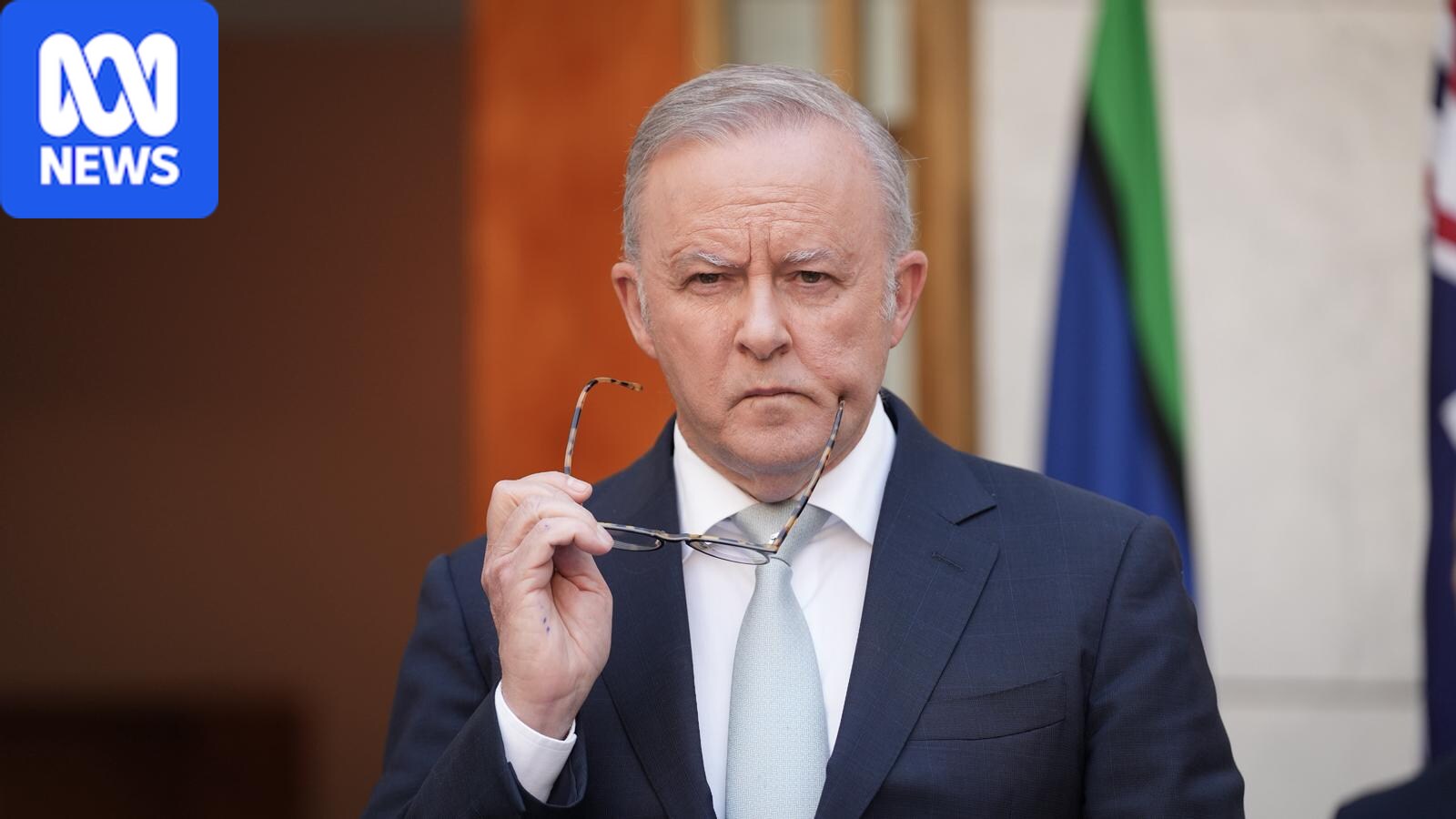
Winning the next election could be Labor's undoing
Labor's victory in the next election may be its undoing, according to some experts.