Why Greece's alliances failed to prevent eastern Libya's maritime deal with Turkey
Greece's alliances failed to prevent eastern Libya's maritime deal with Turkey, highlighting the shifting priorities in the Middle East.
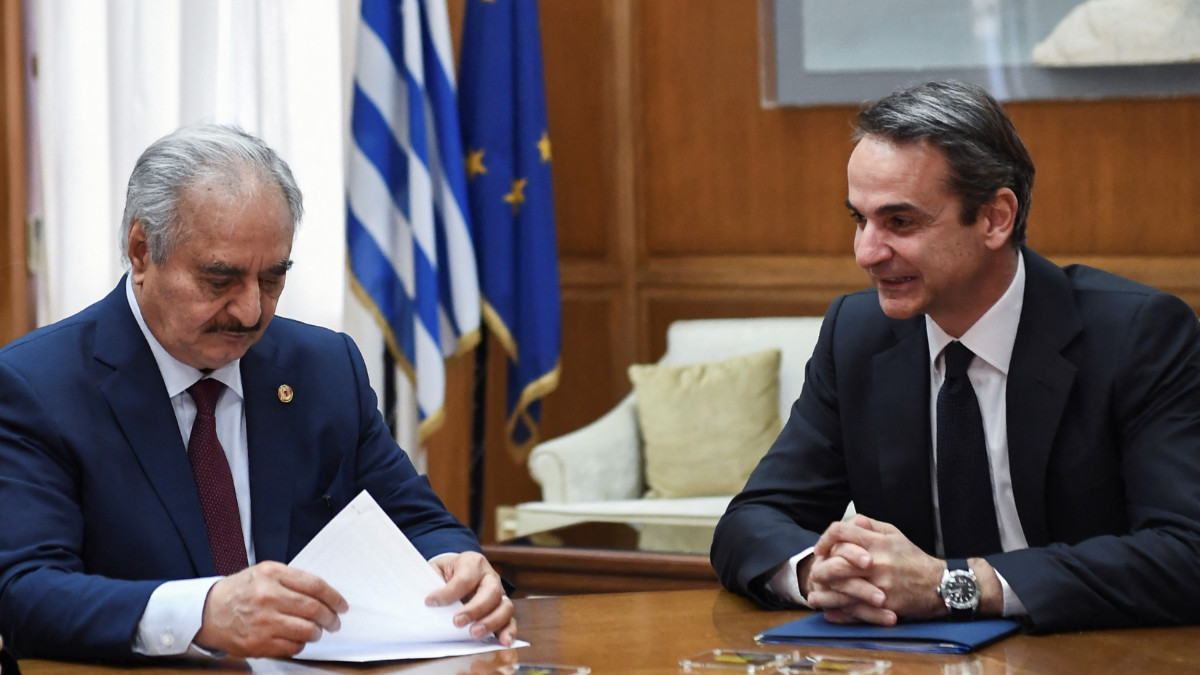
Greece's alliances failed to prevent eastern Libya's maritime deal with Turkey, highlighting the shifting priorities in the Middle East.
The full report
The Greek government was trying to assemble its allies - Egypt, Israel, and the UAE - to prevent the maritime agreement between Turkey and Libya's eastern parliament, multiple officials in the region told Middle East Eye. However, the Libyan House of Representatives in Benghazi ratified the agreement, showing that a fractured Libya could come to a consensus in acknowledging Turkey's sweeping maritime claims over the Eastern Mediterranean.
The deal is more than a setback for Greece or a diplomatic notch in the belt for the Mediterranean. It underscores how the Middle East is rearranging itself in the wake of the US-Israeli war on Iran and simmering conflicts across the region. Egypt and Turkey have mended fences after a deep rift, while Gulf states like the UAE are looking for new security partners, with the Iran war on the verge of flaring up again.
The maritime rivalry between Greece and Turkey in the Eastern Mediterranean long predates the fracturing of Libya into rival governments following the 2011 removal of Muammar Gaddafi. The two neighbours came close to war in 1996 over an uninhabited island. Traditionally, Greece and Turkey could push the envelope in their tensions, knowing that the US would intervene to prevent its Nato allies from crossing the line into direct conflict. But that dynamic has changed.
The US is now less engaged in the Middle East and is at loggerheads with Nato on several fronts, like the war in Ukraine. Greece is a big spender in Nato, but Turkey has developed a domestic weapons industry of its own. Turkey's regional power is increasing, with an ally now governing Syria and Gulf states looking to it as a security partner as the US steps away.
This report presents the named publisher’s account and has not yet been independently corroborated.
Continue reading
Politics desk ↗
Portugal housing protests continue after police clear camps
Protesters in Portugal vow to continue their campaign for affordable housing after police cleared camps and arrested 55 people.
My wife Jo Cox was murdered in her constituency in 2016. The alleged attack on Helen Haines is a punch to the gut | Brendan Cox
Brendan Cox reflects on the alleged attack on Australian MP Helen Haines, drawing parallels with his late wife Jo Cox's murder in 2016.