What is the Turkiye-Libya maritime deal, and why are the EU, Egypt opposed?
Turkiye-Libya maritime deal sparks opposition from EU, Egypt
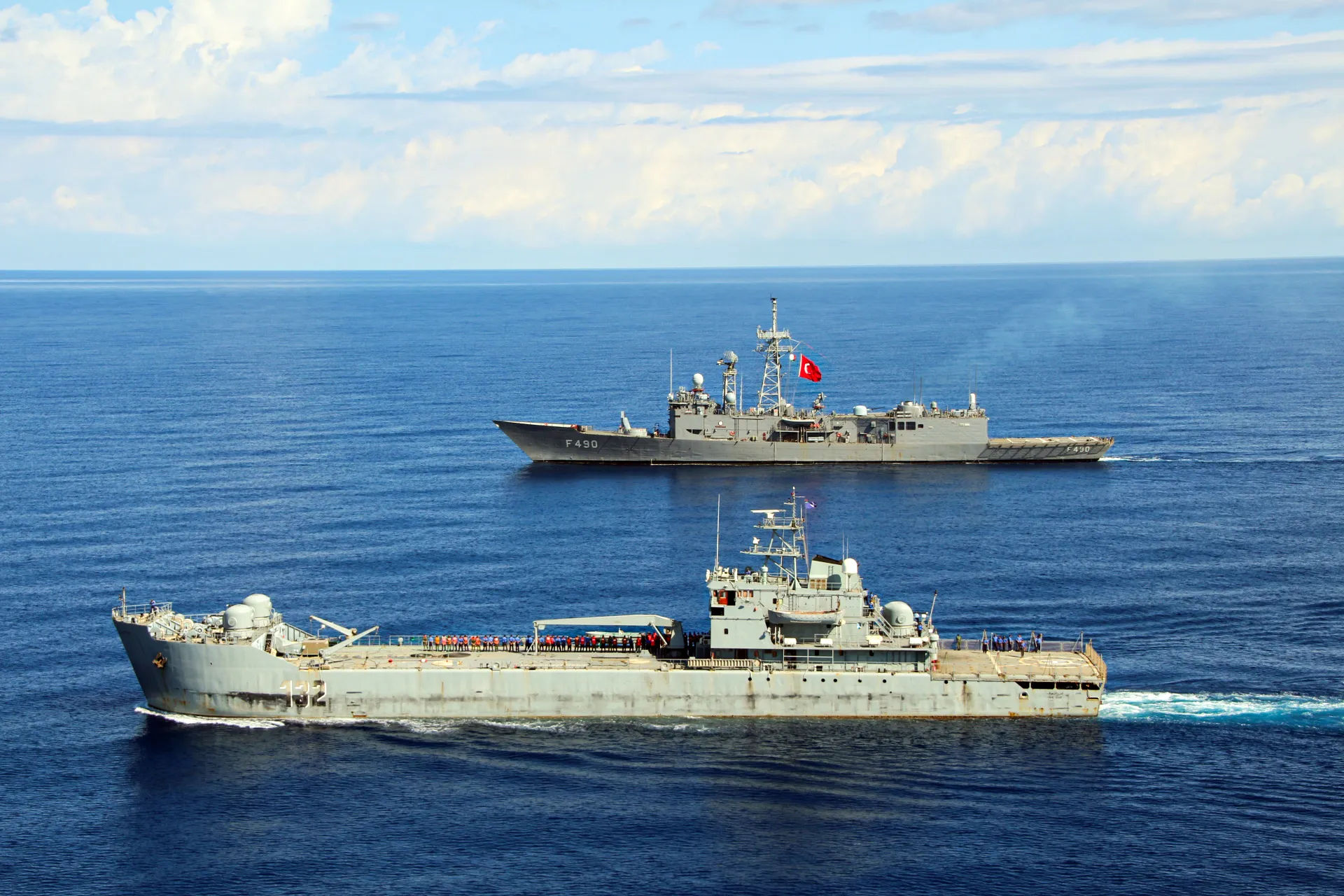
Turkiye-Libya maritime deal sparks opposition from EU, Egypt
The full report
Libya's eastern-based parliament has backed a 2019 maritime deal with Turkiye, already signed by the internationally recognised government based in Tripoli, to delimit maritime boundaries in the Mediterranean Sea. The vote on Tuesday came as Turkiye has been cultivating close ties in recent years with the eastern parliament, backed by renegade military commander Khalifa Haftar.
The deal, a memorandum of understanding, draws a sea border between Turkiye and Libya across the eastern Mediterranean. It was signed in Istanbul on November 27, 2019, by Turkish President Recep Tayyip Erdogan and Fayez al-Sarraj, then-prime minister of the UN-recognised government in Tripoli.
Egypt and the European Union have rejected the ratification of the maritime borders agreement, calling the deal “null and void”. Egypt’s Ministry of Foreign Affairs said the agreement “constitutes a clear infringement upon Egypt’s sovereign rights within its exclusive economic zone and continental shelf”.
Turkish Foreign Minister Hakan Fidan dismissed the criticism, calling the deal “entirely legitimate”. The Tobruk-based House of Representatives voted unanimously to approve the agreement, reversing its 2020 rejection. Israel also condemned the move while Greece briefed the United Nations Security Council.
This report presents the named publisher’s account and has not yet been independently corroborated.
Continue reading
Defence desk ↗
EU's Sakharov Prize won by the International Criminal Court
International Criminal Court wins EU's Sakharov Prize
Ukraine, Russia trade strikes after Witkoff talks
Russia and Ukraine trade strikes after US envoy's talks with Putin
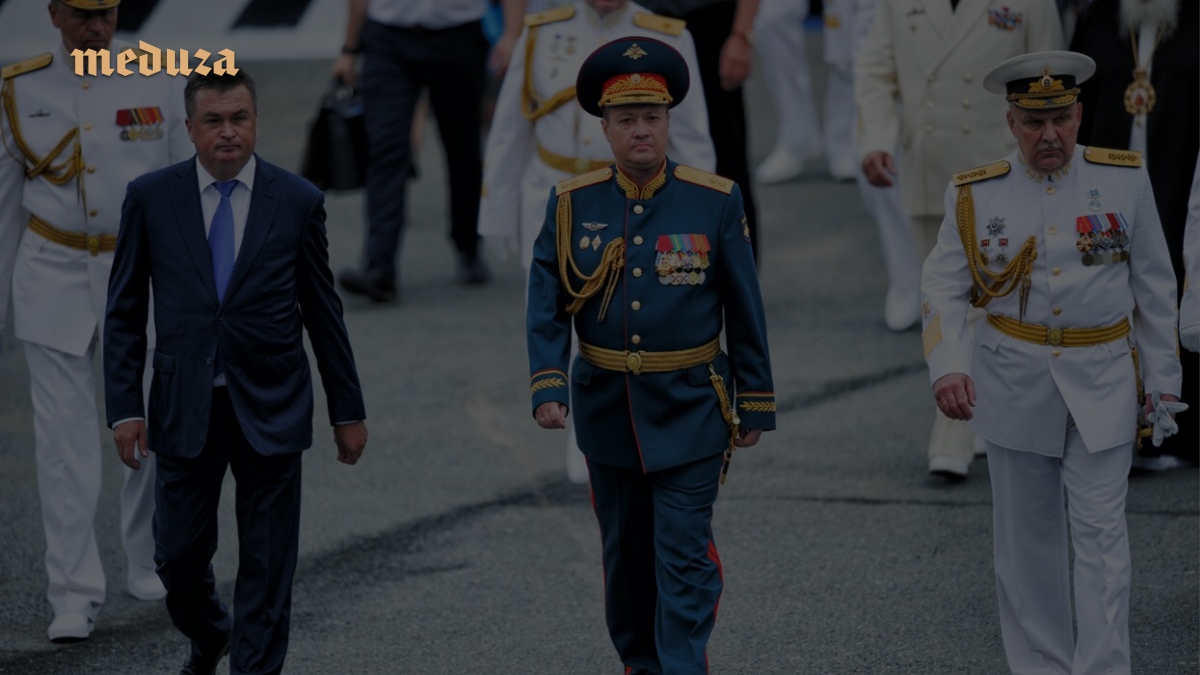
Trump blamed Russia’s failed assault on Kyiv on a ‘stupid general’ who drove his tanks into the mud. The real story is very different.
The real story behind President Trump's claim about Russia's failed assault on Kyiv.