
Travelling Exhibition on Epstein Case Features Interactive Walls Filled With Visitor Messages
A touring display highlighting investigative files related to Jeffrey Epstein has drawn thousands of written notes from visitors, offering support to survivors.

A touring display highlighting investigative files related to Jeffrey Epstein has drawn thousands of written notes from visitors, offering support to survivors.
The story
A touring public exhibition focused on the investigative files of Jeffrey Epstein has incorporated an interactive feature that allows attendees to leave written messages. The display, titled The Donald J and Jeffrey Epstein Memorial Reading Room, was initially held in a New York City gallery in May to draw attention to Epstein's crimes and the law enforcement response over previous decades.
David Garrett, founder of event organizer the Institute for Primary Facts, introduced the concept of placing corkboards in the final room of the exhibition for public notes. Danielle Bensky, an Epstein survivor advocating for accountability, initially expressed concern that the project might risk exploiting survivors. However, upon returning to the exhibition approximately a week after its public opening, Bensky observed that multiple corkboards were filled and overflowing with comments.
The collected notes contained drawings, expressions of sadness, displays of anger, and messages addressed directly to survivors or the authors themselves. Participants included members of survivors' families, as well as general visitors who expressed solidarity through phrases such as assurances of presence, standing together, and belief in the victims' accounts.
A closer look
Bensky stated that reading the messages provided a sense of validation and hope following prolonged institutional failures. She described sitting in the room to read the community responses as a powerful experience of being seen and believed. Another survivor, Liz Stein, also remarked on the significance of the messages left by the public.
The exhibition centres on the history of Epstein, who was arrested in 2019 for the sexual abuse of teenage girls before dying in jail, alongside the subsequent conviction of Ghislaine Maxwell for luring victims into his orbit. Documents from the case indicate that law enforcement officials had awareness of the activities long prior to the arrests, prompting ongoing calls from survivors for transparency and further legal actions.
This report presents the named publisher’s account and has not yet been independently corroborated.
Continue reading
Politics desk ↗
US Beef Industry Curriculum Removes Methane Lesson After Rancher Backlash
An educational module addressing cattle emissions and the climate was withdrawn following criticism from agricultural producers.
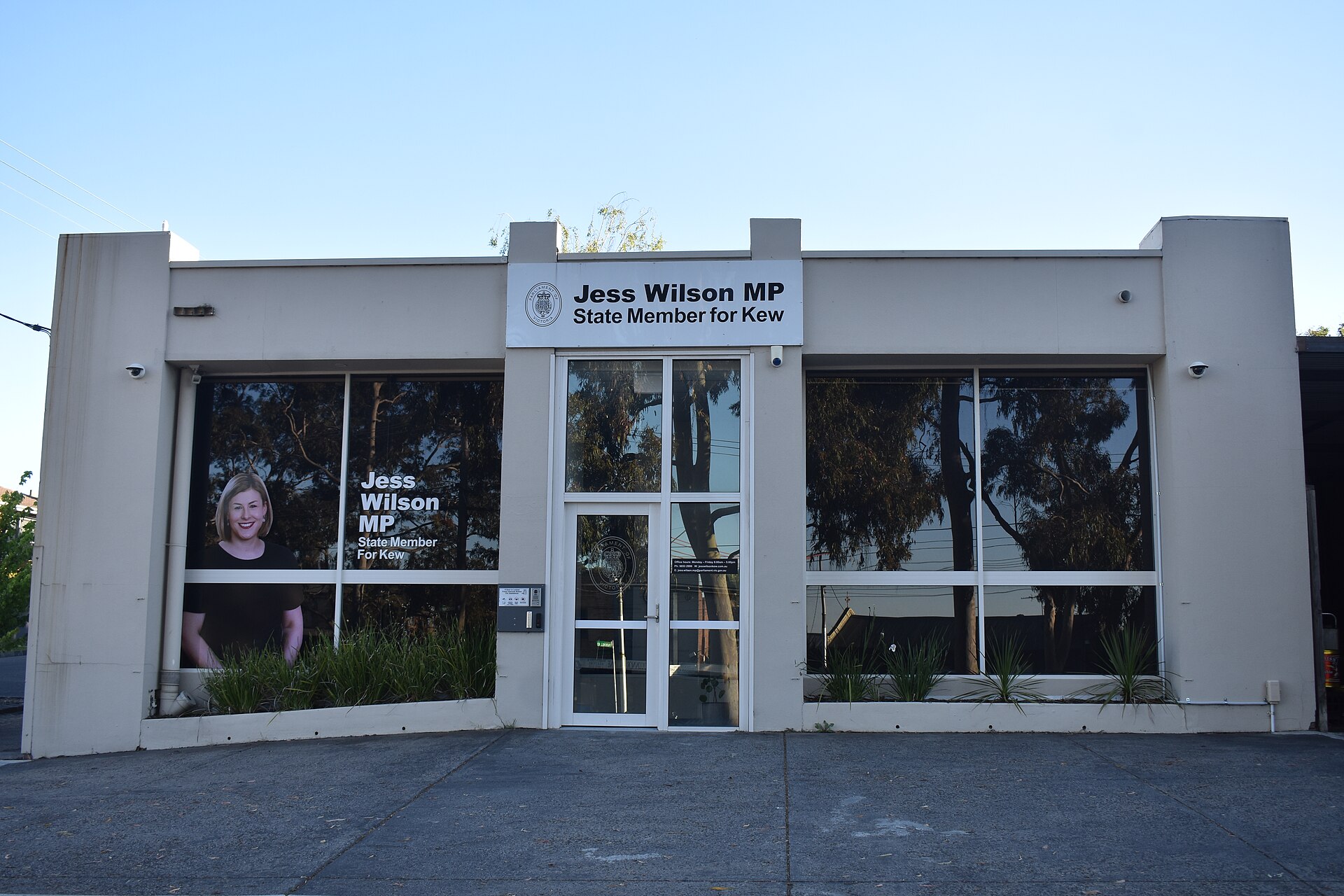
Victoria Coalition Vows to Repeal State Indigenous Treaty if Elected
The Victorian opposition has promised to scrap the state's First Peoples treaty within its first 100 days in office, prompting responses from community advocates and residents.

Voter Trust Declines as New Polls Track Political Support Shifts
Recent polling data indicates a drop in trust for Prime Minister Anthony Albanese while tracking changing voter support levels across major political parties.