
Wall Street Surges and Dollar Declines Following US Midterm Elections
US equities advanced and government bond yields declined as markets reacted to Democratic victories in the midterm elections.
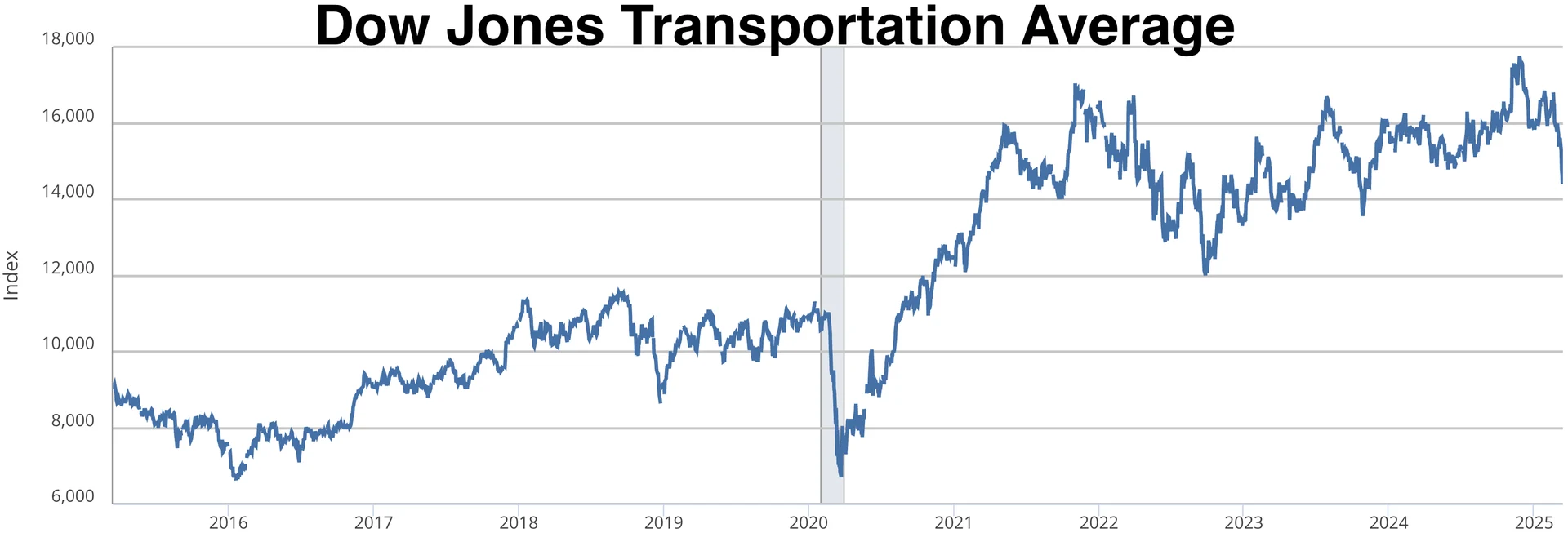
US equities advanced and government bond yields declined as markets reacted to Democratic victories in the midterm elections.
The story
United States stock markets experienced significant gains following the outcome of the midterm elections, in which the Democratic party secured control of both the Senate and the House of Representatives. Initial overnight drops in stock futures reversed after markets opened, with the Dow Jones posting an increase approaching three percent for its strongest single-day performance in over a year. Meanwhile, the technology-heavy Nasdaq and the benchmark S&P 500 each registered increases of approximately 1.5 percent by Wednesday afternoon.
The broader financial markets responded to the election results with shifts across currency, commodity and bond sectors. Brent crude oil prices dropped below one hundred dollars per barrel for the initial time since early October as traders evaluated the implications of the political shift on the conflict in Iran. In currency markets, the US dollar weakened against the currencies of major trading partners, reaching a one-month low. The dollar index declined while the British pound, euro, Japanese yen and Swiss franc all made gains against the American currency.
Government bond yields moved downward as investors shifted capital into US treasuries amid expectations of political gridlock during the remainder of Donald Trump's final presidential term. The yield on the benchmark 10-year US treasury bond decreased by 4.7 basis points to 4.918 percent, while two-year bond yields dropped by 3.7 basis points to 4.597 percent. Bond yields typically decline when prices increase.
A closer look
Voters across the nation delivered losses for the Republican agenda, with Democratic candidates capturing Senate seats in traditional strongholds including Texas, Iowa, North Carolina and South Carolina. Axel Rudolph, chief technical analyst at trading platform IG, stated that the extent of the losses would generate questions regarding the administration's capacity to advance its legislative agenda over the ensuing two years, noting that markets were already adjusting to the new political outlook.
In a social media statement published on Wednesday afternoon, Donald Trump attributed the market gains to his administration, writing that the stock market had reached another record high and that retirement accounts were performing strongly. Prior to the market open, trading futures had pointed toward steep declines, particularly for artificial intelligence companies on the Nasdaq. However, sentiment recovered as European markets posted increases, with London's FTSE 100 rising 1.8 percent, Germany's Dax gaining 2.2 percent, France's Cac 40 advancing 2 percent and Italy's FTSE MiB index climbing 2.2 percent.
This report presents the named publisher’s account and has not yet been independently corroborated.
Continue reading
Politics desk ↗
Hong Kong court hands activist Joshua Wong a ten‑year prison term for foreign‑collusion charge
The High Court sentenced the 30‑year‑old pro‑democracy figure to ten years, with part of the term running concurrently with his existing sentence for subversion.

Mississippi Senate Contest Remains Within a Few Hundred Votes
With 96% of ballots counted, Democratic challenger Scott Colom leads incumbent Republican Cindy Hyde‑Smith by roughly 1,100 votes, prompting analysts to warn the final outcome may not be known for several days.

Vice President Vance Signals New GOP Outreach to Disaffected Trump Supporters
Following the 2024 midterm elections, Vice President JD Vance posted remarks attributing Republican losses to the Iran conflict and outlined four priorities he says could restore voter support, while senior administration officials discussed post‑election messaging.