
US disables bulker running Iran blockade as Tehran vows to keep Hormuz shut
An American aircraft fired precision munitions at the stern of the Pacific Archer in the Gulf of Oman, the sixth ship disabled since the blockade resumed in July.
 Ibrahim Hassan · Published · 3 min read
The story
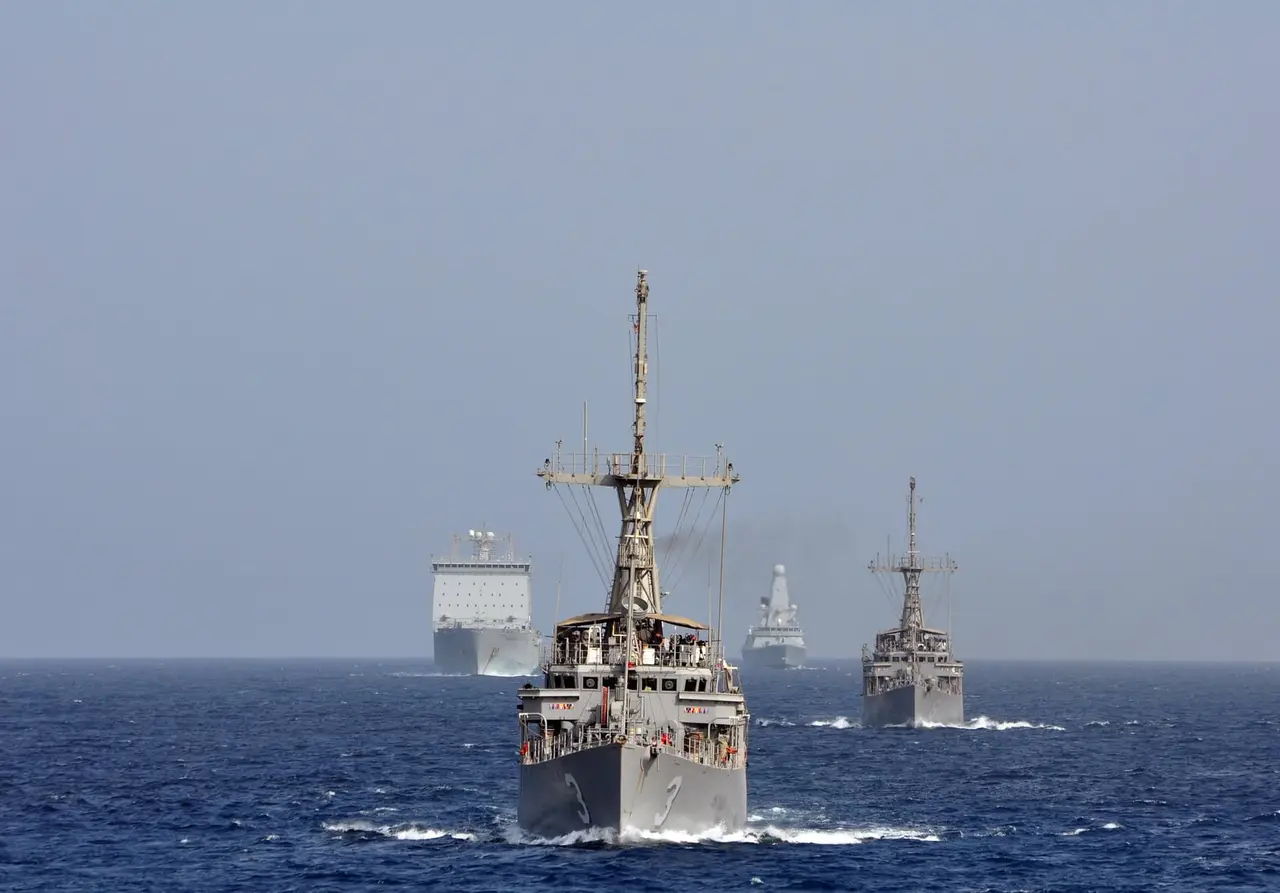
The United States disabled a Palau-flagged bulk carrier in the Gulf of Oman after it left an Iranian port and ignored repeated warnings to turn back, US Central Command said, the sixth vessel struck since Washington resumed its naval blockade of Iran in July.
A US military aircraft fired precision munitions at the stern of the M/V Pacific Archer on Thursday, disabling its propulsion. CENTCOM said the civilian crew was unharmed. The ship had departed Bandar Abbas, the port city just inside the Strait of Hormuz, and ship-tracking sites listed its destination as Singapore. The Maritime Executive reported that the 52,400 deadweight-tonne carrier, built in 2001, is Chinese-owned. CENTCOM did not say what cargo it was carrying or whether the vessel was towed after the strike.
It was the first ship CENTCOM has reported disabling since Iranian officials publicly backed breaking the blockade. On 19 November the Revolutionary Guards-affiliated Fars news agency called for a convoy of Iranian oil tankers to sail for China, arguing that the risk of retaliation against Gulf oil facilities could deter Washington from firing. Foreign Minister Abbas Araghchi said the next day that the blockade "must be broken", while a Foreign Ministry spokesman dismissed reports of an imminent tanker operation as speculation. CENTCOM says 158 commercial vessels have complied with orders to change course. Iran enforces its own restrictions on the waterway: on Friday the Revolutionary Guards said an oil tanker had struck a mine and exploded north of Ghanam Island after trying to cross outside the approved lanes, forcing a companion tanker to turn back. The claim could not be independently verified.
A closer look
On Friday, Mohammad Mokhber, an adviser to Supreme Leader Mojtaba Khamenei, told reporters that the Strait of Hormuz would stay closed and that Iran would prevent the blockade from remaining in place. President Donald Trump, who has deployed an extra aircraft carrier to the region, called the operation "the greatest naval blockade that there's ever been" and warned that vessels trying to breach it would be sunk. Treasury Secretary Scott Bessent said Iran had no oil left at sea to sell.
Qatar and Pakistan are exchanging proposals between the two governments, Araghchi said, and he suggested that "paths can be opened". Tehran's conditions have not changed: it wants the blockade lifted, frozen assets released and hostilities ended before substantive nuclear talks, while Washington is seeking nuclear commitments from the outset. The blockade has cut Iran's oil earnings and weighed on its currency, and Baghdad has closed several border crossings at the US request, squeezing Tehran's remaining trade routes.
Continue reading
World desk ↗
Nor'easter cuts power to nearly a million as New York holds delayed parade
The storm knocked out power to about 960,000 customers at its height and forced Macy's 100th parade off Thanksgiving Day for the first time; it marched on Saturday.
Uganda launches Africa's first mRNA Ebola vaccine trial as DRC outbreak passes 12,000 cases
The Phase 1 study of Moderna's mRNA-1469 will test 224 volunteers, including children as young as one, against the Bundibugyo strain.

Kenyan Cult Leader Convicted of Manslaughter Over 123 Starvation Deaths
A Kenyan court has found doomsday cult leader Paul Mackenzie guilty of manslaughter for directing followers to fast to death in the Shakahola Forest.