
Sudan and Egypt agree on post-war reconstruction and Red Sea security
Sudan's prime minister met President Sisi in Cairo, pledging reconstruction, economic cooperation and a Red Sea governed by its coastal states.
 Thabo Mokoena · Published · 2 min read
The story
Sudan and Egypt have agreed to prioritise Sudan's post-war reconstruction, expand economic cooperation and coordinate on Red Sea security, after talks in Cairo between President Abdel Fattah al-Sisi and Sudanese Prime Minister Kamal Idris.
The two sides reaffirmed support for Sudan's sovereignty and rejected attempts to militarise the Red Sea, insisting that its governance belongs to coastal states and that freedom of navigation must be respected. Their statement followed a meeting of the foreign ministers of Egypt, Sudan and Eritrea in Aswan on 21 November, which built on an October summit in El Alamein that also brought in Somalia. The grouping has left Ethiopia, which has been pressing for Red Sea access, on the outside.
The talks covered the voluntary return of Sudanese nationals, the repatriation of prisoners and efforts to restore Sudan's membership of African Union institutions, which was suspended after the army and the Rapid Support Forces went to war in 2023. Idris called for an inclusive intra-Sudanese dialogue to build a national consensus, a formula that has repeatedly failed as both sides have sought a military advantage.
Sudan's humanitarian crisis remains severe.
The World Food Programme says about 19.5 million people face crisis levels of hunger or worse, and a report by the humanitarian working group of the Somoud alliance attributes famine in parts of the country to the war, restrictions on aid and displacement rather than natural causes. Trucks reached the Zamzam camp in North Darfur this month, but aid agencies say access remains precarious.
Egypt has its own reasons to press for stability. It hosts hundreds of thousands of Sudanese refugees, worries about security along its southern border and depends on Red Sea shipping for trade and Suez Canal revenue. For Khartoum's internationally recognised government, the Cairo meeting offers diplomatic backing and a route back into continental institutions, even as fighting continues to determine who governs on the ground.
Continue reading
World desk ↗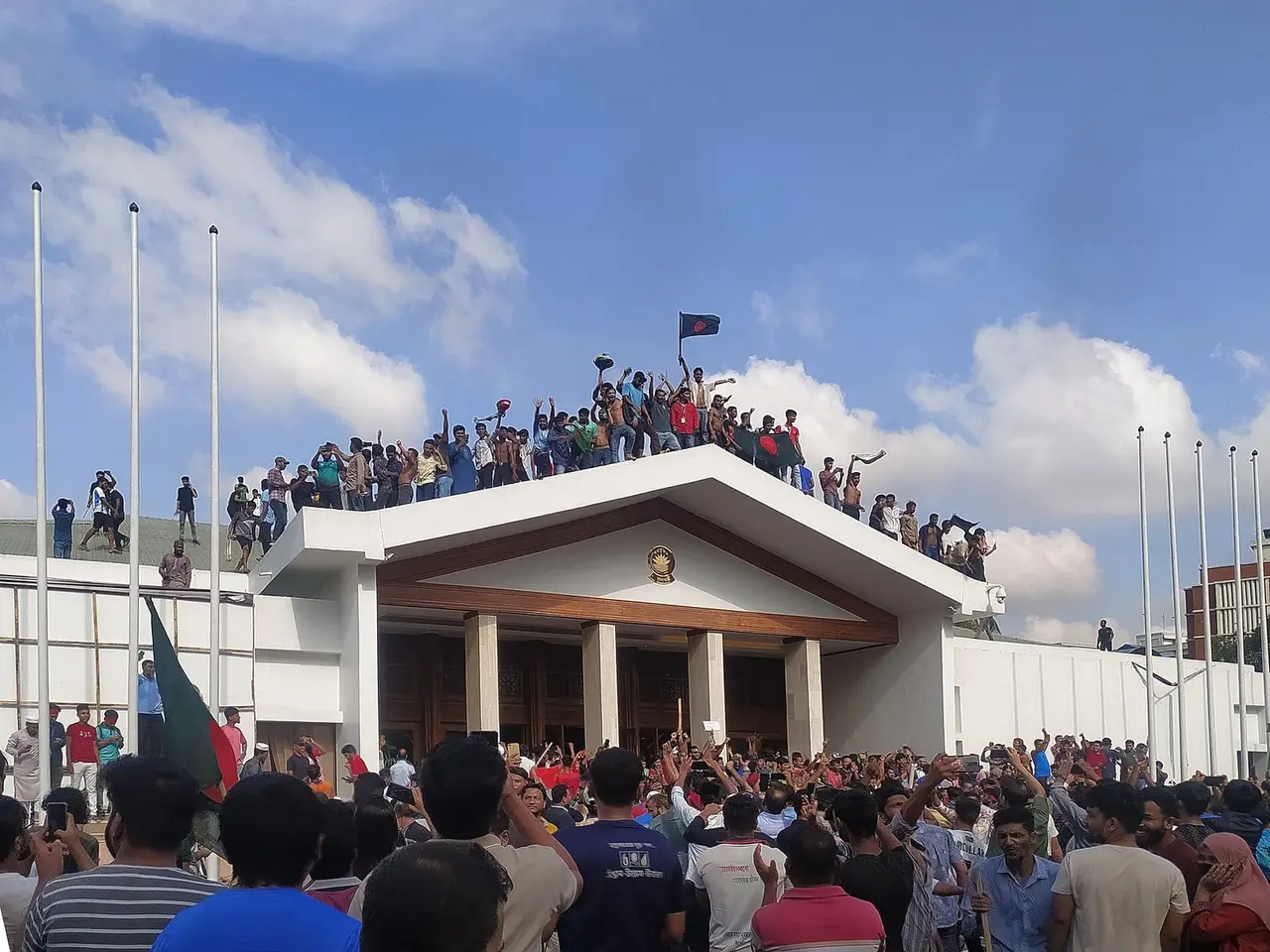
Bangladesh arrests a Hasina aide as the ousted leader plans a December return
KM Shakhawat Moon was detained in Dhaka with two others, days before Sheikh Hasina says she will come home to face a death sentence.

Macy's Thanksgiving parade postponed for the first time in its 100-year history
A nor'easter with gusts forecast near 60mph forced the New York parade to Saturday, the first weather postponement since the event began in 1924.

Nepal moves to declare 213 missing Indians dead, three months after the floods
Kathmandu published a list of 213 missing Indian nationals, three months after floods in the Trishuli-Bhote Koshi river system killed at least 1,500 people.