
Nepal moves to declare 213 missing Indians dead, three months after the floods
Kathmandu published a list of 213 missing Indian nationals, three months after floods in the Trishuli-Bhote Koshi river system killed at least 1,500 people.
 Arjun Mehta · Published · 2 min read
The story
Nepal has begun the legal process of presuming and declaring dead the people who remain missing after the flash flood that tore through the Trishuli-Bhote Koshi river system on 26 August, starting with 213 Indian nationals.
The National Disaster Risk Reduction and Management Authority published the list of 213 missing Indian nationals on its website and invited objections, additions or corrections before the process is finalised. India's embassy in Kathmandu asked families to submit concerns by 2 December through a dedicated email address and WhatsApp helpline, after which Nepal will issue a formal declaration of death and the embassy will begin obtaining death certificates from local authorities.
The disaster began when a Himalayan ice-rock avalanche sent a wall of water and debris down the river system, sweeping away villages, bridges and an immigration building near the Tibet border. At least 1,500 people were killed. The missing list totals 3,915 people: 3,292 Nepalese nationals and 623 foreign nationals from 19 countries, including 213 Indians, 85 Chinese, 69 Americans, 54 Ukrainians, 54 Malaysians, 33 Australians, 32 Britons and 27 Canadians.
A closer look
Nearly three months on, families say the absence of death certificates has left them unable to settle insurance claims, inherit property or remarry, and some have travelled to Kathmandu repeatedly to chase paperwork. The declaration process is intended to give them legal closure where no body was recovered, but it also fixes a final death toll that rights groups say was slow to emerge in the chaotic weeks after the flood.
Nepal's government has faced criticism over the pace of recovery and over construction in flood-prone valleys, including hydropower projects along the Trishuli. Scientists say the avalanche was consistent with the destabilising effects of glacial melt in the Himalayas, and that the risk of similar events is rising as temperatures climb. The government has promised a review of early-warning systems along the river system.
Continue reading
World desk ↗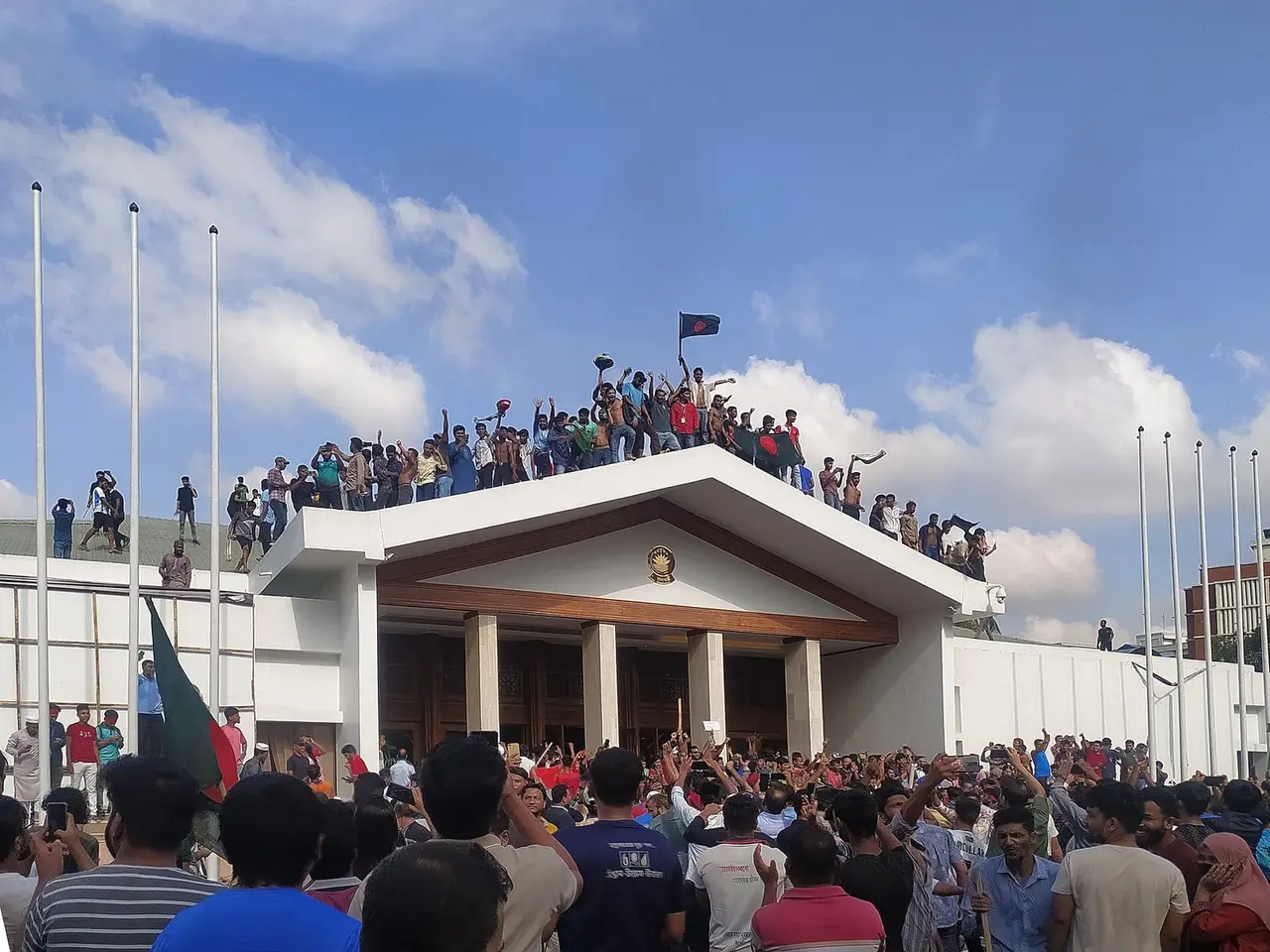
Bangladesh arrests a Hasina aide as the ousted leader plans a December return
KM Shakhawat Moon was detained in Dhaka with two others, days before Sheikh Hasina says she will come home to face a death sentence.

Macy's Thanksgiving parade postponed for the first time in its 100-year history
A nor'easter with gusts forecast near 60mph forced the New York parade to Saturday, the first weather postponement since the event began in 1924.
Sudan and Egypt agree on post-war reconstruction and Red Sea security
Sudan's prime minister met President Sisi in Cairo, pledging reconstruction, economic cooperation and a Red Sea governed by its coastal states.