
Suburban echidnas on the prowl as breeding season stretches late
Echidnas in suburban Adelaide are roaming freely as breeding season stretches late, prompting a warning from a rescue worker to leave them be.
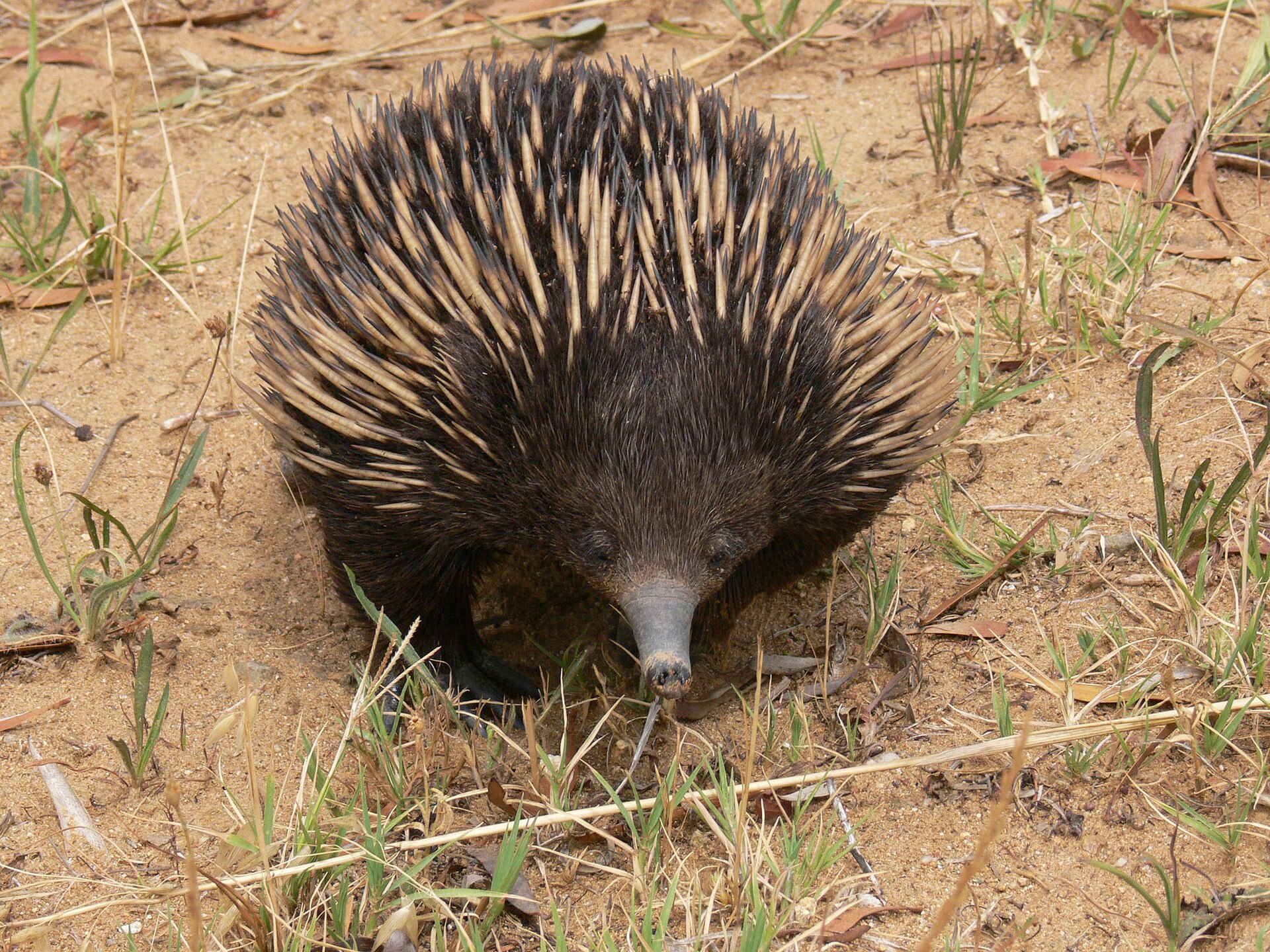
Echidnas in suburban Adelaide are roaming freely as breeding season stretches late, prompting a warning from a rescue worker to leave them be.
The story
People coming across echidnas in suburban Adelaide should not move them in the belief they are helping, a rescue worker says, amid an increase in activity, according to ABC News — Just In. Adelaide's echidna population is considered very stable and locally abundant where habitat exists. But they also roam and use the city's stormwater network to make their way to water and food sources, and while well-meaning people may see them in suburbia and want to move them on, the animals are generally "on a mission" and know where they're going.
Mish Simpson, co-founder of Southern Koala and Echidna Rescue, said that people often move echidnas because they are species that some people are really scared of. She also noted that they get a lot of reports of echidnas in people's yards. "I just say give them half an hour to an hour and there's a good chance it will disappear and people are getting back to me and saying, 'Yep, it's long gone,'" she said.
A closer look
A Department for Environment and Water spokesperson said that the species excelled at navigating and could remember safe routes, "therefore avoiding cars and human traffic". They also have a wide temporal range of activity in a day and night cycle, so can avoid many urban threats. Additionally, they are relatively protected from common urban predators, like cats, dogs and foxes, "by their behavioural and physiological defence adaptations, including curling up and digging in and their sharp spines".
In the 10 years Mish Simpson has been rescuing echidnas, she had only seen one case of an injury caused by dogs, in which two had managed to "sadly, bite its beak off".
This report presents the named publisher’s account and has not yet been independently corroborated.
Continue reading
Defence desk ↗
US Defence Secretary Defends Pentagon Record Amid Impeachment Push
Pete Hegseth has dismissed impeachment proceedings as a farce following a move by a Republican congressman to file articles of impeachment relating to the Iran war.

Formula 1 Confirms Season Finale in Middle East After Standing Down Imola Contingency
Formula 1 will conclude its racing calendar in Qatar and Abu Dhabi as planned, dismissing an Italian circuit as a backup option while maintaining that safety remains the primary priority amid regional conflicts.
Former Supervisor Challenges Maryland Governor's Account of Military Combat Experience
Maryland Governor Wes Moore is facing questions from his former military supervisor regarding past descriptions of leading troops in combat during his deployment to Afghanistan.