
Senator Sanders Declines to Back Schumer for Senate Democratic Leadership
Bernie Sanders announced he will not support Chuck Schumer’s bid to retain the Democratic leader post in the Senate, citing the need for new direction after the 2026 midterms.
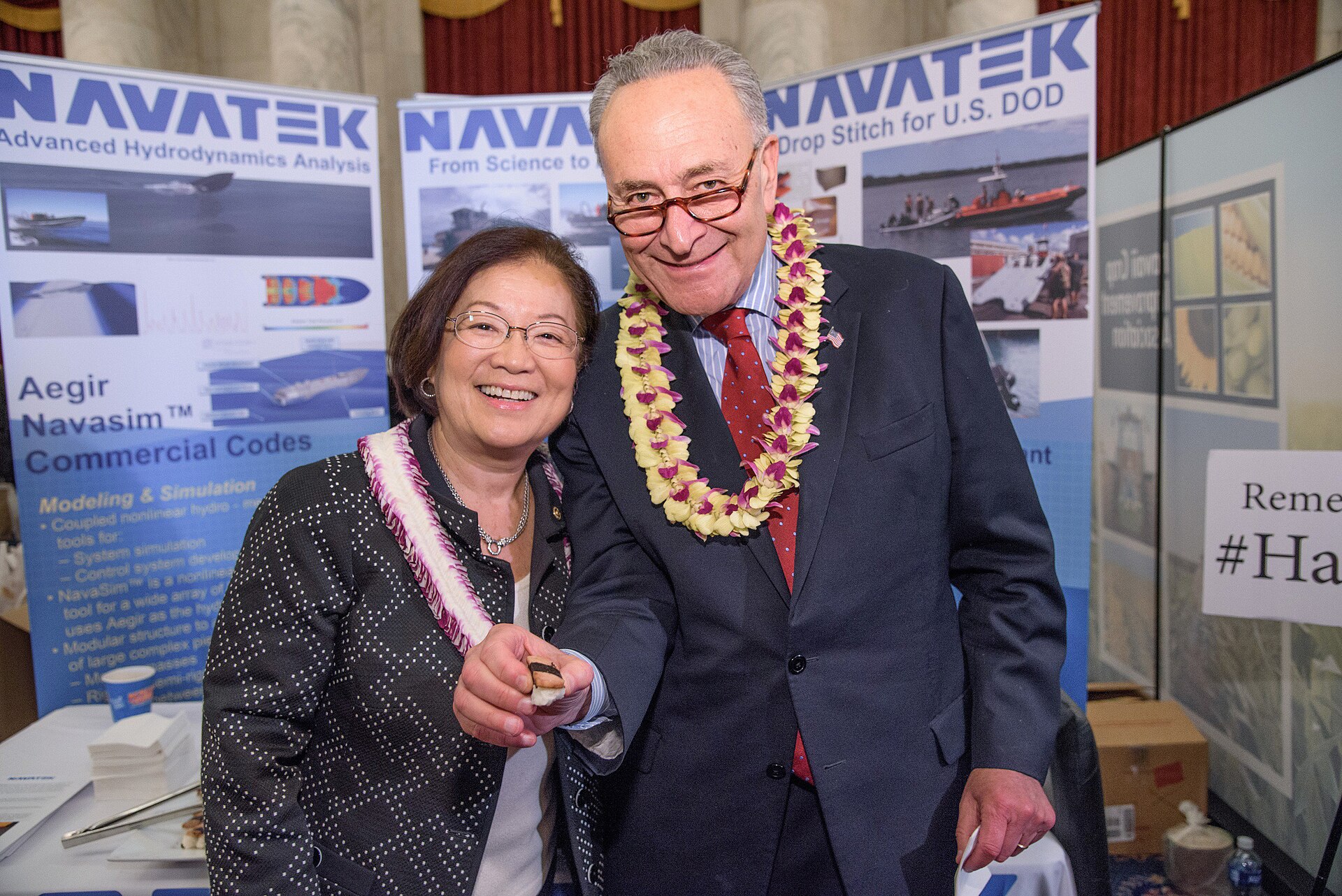
Bernie Sanders announced he will not support Chuck Schumer’s bid to retain the Democratic leader post in the Senate, citing the need for new direction after the 2026 midterms.
The story
On Tuesday, Senator Bernie Sanders of Vermont told reporters on Capitol Hill that he will not endorse Senator Chuck Schumer of New York for another term as the Senate Democratic leader when the party regains a majority in the 120th Congress. Sanders said he has known Schumer for more than three decades and respects his work ethic, but argued that "the time is now for change" following the recent midterm elections.
Sanders framed the midterm results as a clear signal that voters want a different approach within the Democratic Party. He highlighted concerns about economic inequality and the cost of living, stating that many Americans are struggling while the "billionaire class" continues to prosper. The senator called for a "vigorous debate" about the party’s direction and urged any prospective leader to present a concrete plan for the first 100 days in office.
Senator Chris Van Hollen of Maryland, who spoke at a post‑election conference organized by the progressive group Groundwork Collaborative, said the caucus should listen to calls for change but stopped short of formally challenging Schumer. Van Hollen described the upcoming leadership vote as a matter of internal democracy and indicated he is reaching out to colleagues to gauge support for a potential candidacy.
A closer look
Michigan Senator Elissa Slotkin, appearing alongside Sanders, echoed the demand for new leadership but clarified she is not actively seeking the position. She urged any contender to outline specific policy proposals, especially on economic relief and communication strategy, before earning her vote.
No alternative candidate has formally entered the race, and the Democratic caucus is expected to hold its leadership election in early December. Analysts note that the internal contest will be shaped by the party’s recent electoral gains, which have increased its Senate seats to at least 54 for the upcoming term.
Read the source reports and compare their framing:
Continue reading
Politics desk ↗
Male Bonds and Migration Shape Lives in Punjab
An exploration of traditional close male friendships in India's Punjab region reveals the emotional impact of international migration alongside historical family hardships.

Productivity Commission Report Highlights High Costs of Regional Air Travel
A new interim inquiry reveals short regional flights cost significantly more per kilometre than major city routes, prompting calls for reform.
Victorian Political Parties Drop Candidates Over Past Social Media Remarks
Multiple candidates in Victoria face scrutiny and removal following the emergence of historical and recent social media posts containing offensive remarks.