
Laura Brand Testifies in Husband Russell Brand’s Rape Trial
Giving evidence at Southwark crown court, Laura Brand described her husband as an attentive partner while acknowledging past relationship breakdowns over his promiscuity.
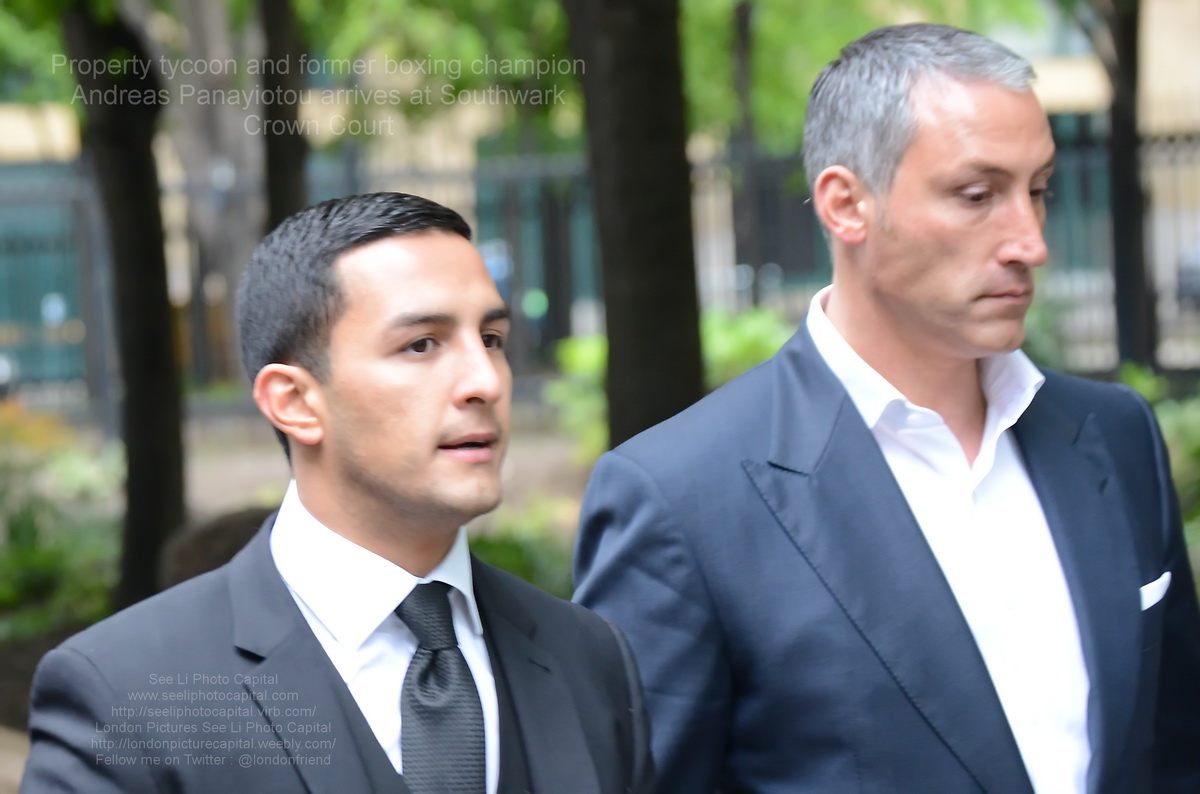
Giving evidence at Southwark crown court, Laura Brand described her husband as an attentive partner while acknowledging past relationship breakdowns over his promiscuity.
The story
Laura Brand testified at Southwark crown court in London during the rape trial of her husband, actor and comedian Russell Brand. The 51-year-old entertainer faces seven charges, including three counts of rape, three counts of sexual assault, and one count of attempted indecent assault. The allegations involve six women and span from 1999 to 2009 in the United Kingdom. Russell Brand denies all the charges against him.
Taking the witness box, Laura Brand told the jury that her husband of nearly 10 years was an amazingly attentive husband and a wonderful father. She described him as a very caring sexual partner who respected her boundaries when they began dating in 2006. She stated that she felt entirely cared for and looked after during their early relationship.
The court heard that the couple initially met at the Edinburgh Festival Fringe in August 2006, when Laura Brand was 19 and the comedian was 31. Laura Brand told the court that her husband learned she was the sister of British model and television presenter Kirsty Gallacher shortly after they met. The pair exchanged phone numbers, reconnected the following day, and began dating in September 2006.
A closer look
Laura Brand told the jury that the couple previously split up in February 2007 due to the comedian's infidelity and difficulty with monogamy. She stated that she was heartbroken at the time, but the pair resumed contact as friends during the summer of 2007. They later rekindled their romance in 2015, married two years afterward, and now share three children together.
During the trial, Russell Brand told the jury that he did not commit the alleged crimes and maintained that sexual consent was fundamental, essential, and more important than sex itself. He also stated in court that no friends, acquaintances, or colleagues were prepared to give evidence in his defence after the allegations became public.
Read the source reports and compare their framing:
Continue reading
Defence desk ↗
Russian Drone Strike Hits Railway Station in Dnipro, Killing 14
A jet-powered drone strike on a crowded railway station platform in Dnipro has resulted in at least 14 deaths and multiple injuries, according to Ukrainian officials.

Cross-Border Strikes Strain Official Statements Between Jordan and Syria
Conflicting accounts over military operations in southern Syria follow a deadly church attack in Jordan, sparking widespread public anger and diplomatic friction.

Senior Pentagon Strategist Dismissed Amid Classified Leak Inquiry
Lieutenant General Brett Sylvia has been removed from his role as a top strategic planner at the Pentagon following allegations of unauthorized disclosures to journalists regarding sensitive military matters.