'Neither the Sudanese military, nor the RSF take any acknowledgement of human life in this war'
On Monday, a drone strike targeted the Amiet market in Abyei, an area disputed between Sudan and South Sudan. The attack involved the use of multiple munitions and was carried out by the Sudanese army, according to
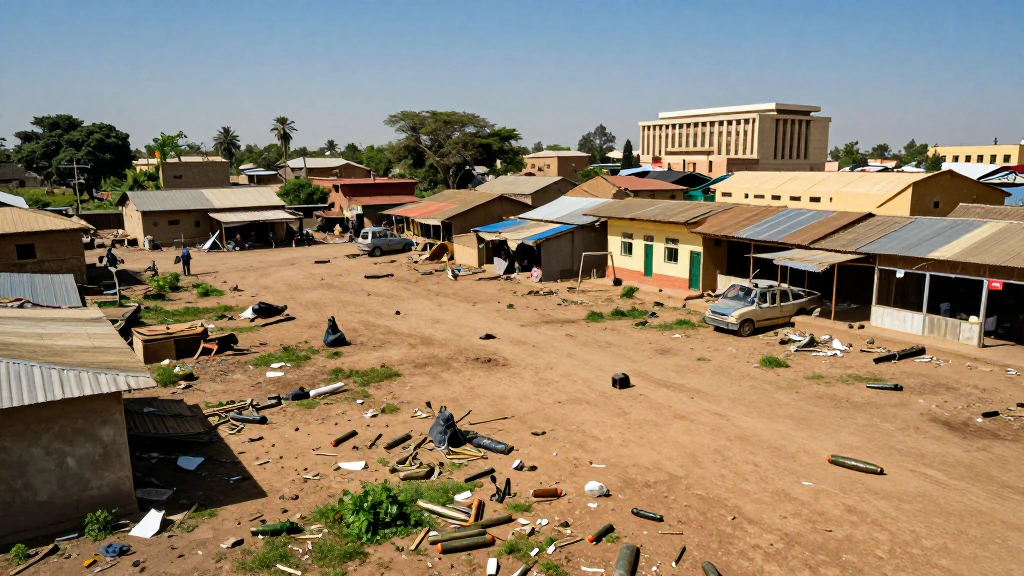
On Monday, a drone strike targeted the Amiet market in Abyei, an area disputed between Sudan and South Sudan. The attack involved the use of multiple munitions and was carried out by the Sudanese army, according to
The full report
On Monday, a drone strike targeted the Amiet market in Abyei, an area disputed between Sudan and South Sudan. The attack involved the use of multiple munitions and was carried out by the Sudanese army, according to authorities in the Abyei district. A local official informed AFP on Wednesday that the death toll from the incident has risen to 153, with the possibility that the actual number is even higher.
Jan Pospisil, a Sudan Affairs Analyst at the Peace and Conflict Resolution Evidence Platform, discussed the implications of such attacks with France 24's Mark Owen. He noted that for an extended period, the Sudanese army has attempted to cultivate an international image portraying itself as humane in contrast to the Rapid Support Forces (RSF). Pospisil argues that this distinction is increasingly difficult to maintain.
According to Pospisil, the reality on the ground reveals very little difference between the two factions regarding their treatment of civilians. He states that both sides fail to acknowledge human life in the ongoing conflict. This observation challenges the narrative often presented by the Sudanese military, suggesting that similar patterns of violence and disregard for civilian safety are present across the battlefield.
The incident highlights the severe humanitarian impact of aerial bombardments in contested regions. The use of multiple munitions in a market setting underscores the scale of destruction and loss of life. As the conflict continues, the lack of accountability from both major combatants remains a critical issue for international observers and local communities affected by the war.
This report presents the named publisher’s account and has not yet been independently corroborated.
Continue reading
Defence desk ↗
Rice strikes to earn Arsenal draw at Bayern
Declan Rice scores late equaliser as Arsenal and Bayern Munich draw 2-2 in Champions League

Ex-prosecutor charged with treason in Mexico over US drug raid
Mexico charges former prosecutor with treason over US involvement in drug raid
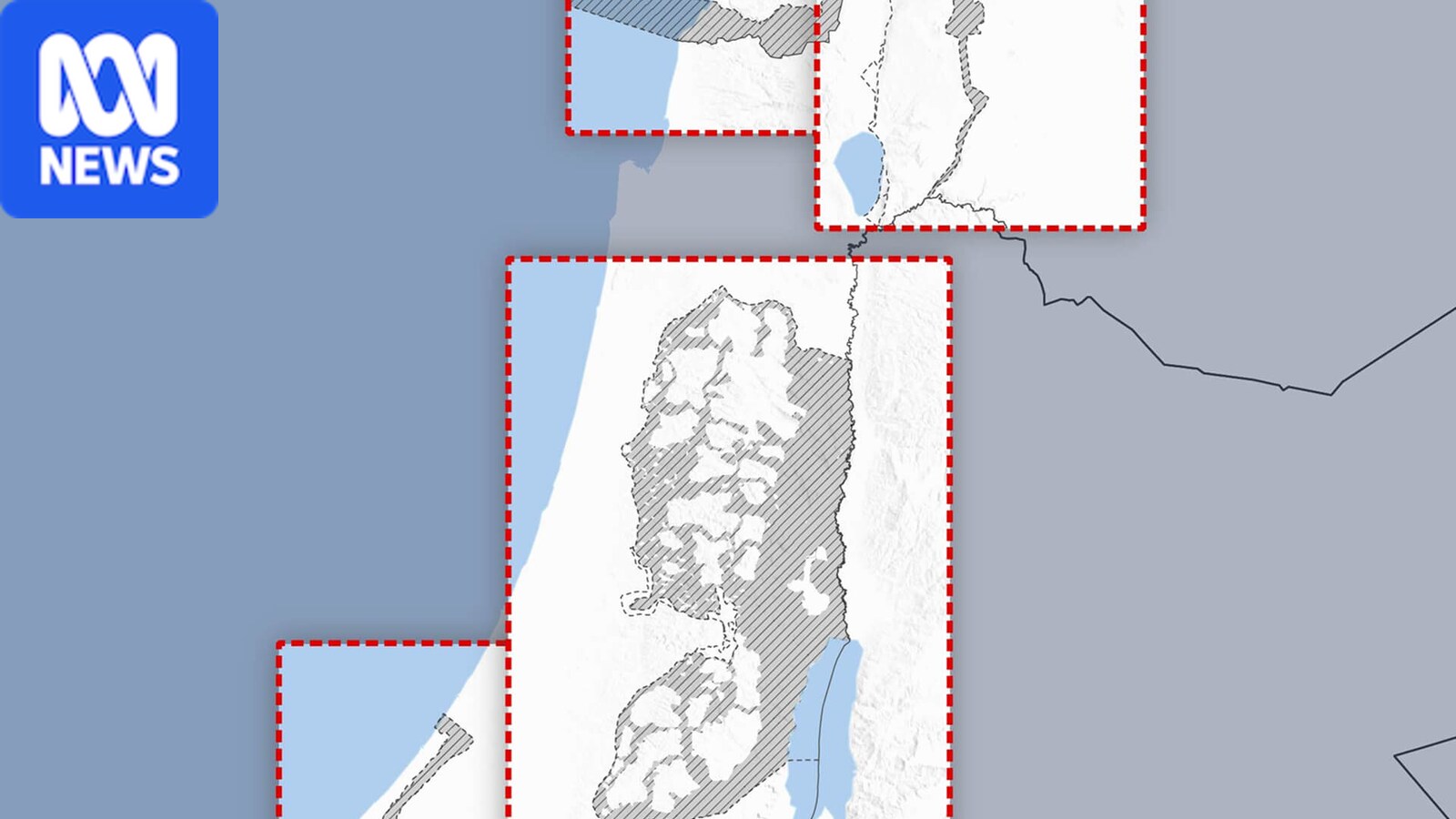
How Israel has redrawn the map since the October 7 terrorist attack
Israel's military operations have redrawn the map of the Middle East since the October 7, 2023, terrorist attack.