Mozambique safari operator wins conservation award at COP17
Mozambican safari operator Zambeze Delta Safaris wins conservation award at COP17
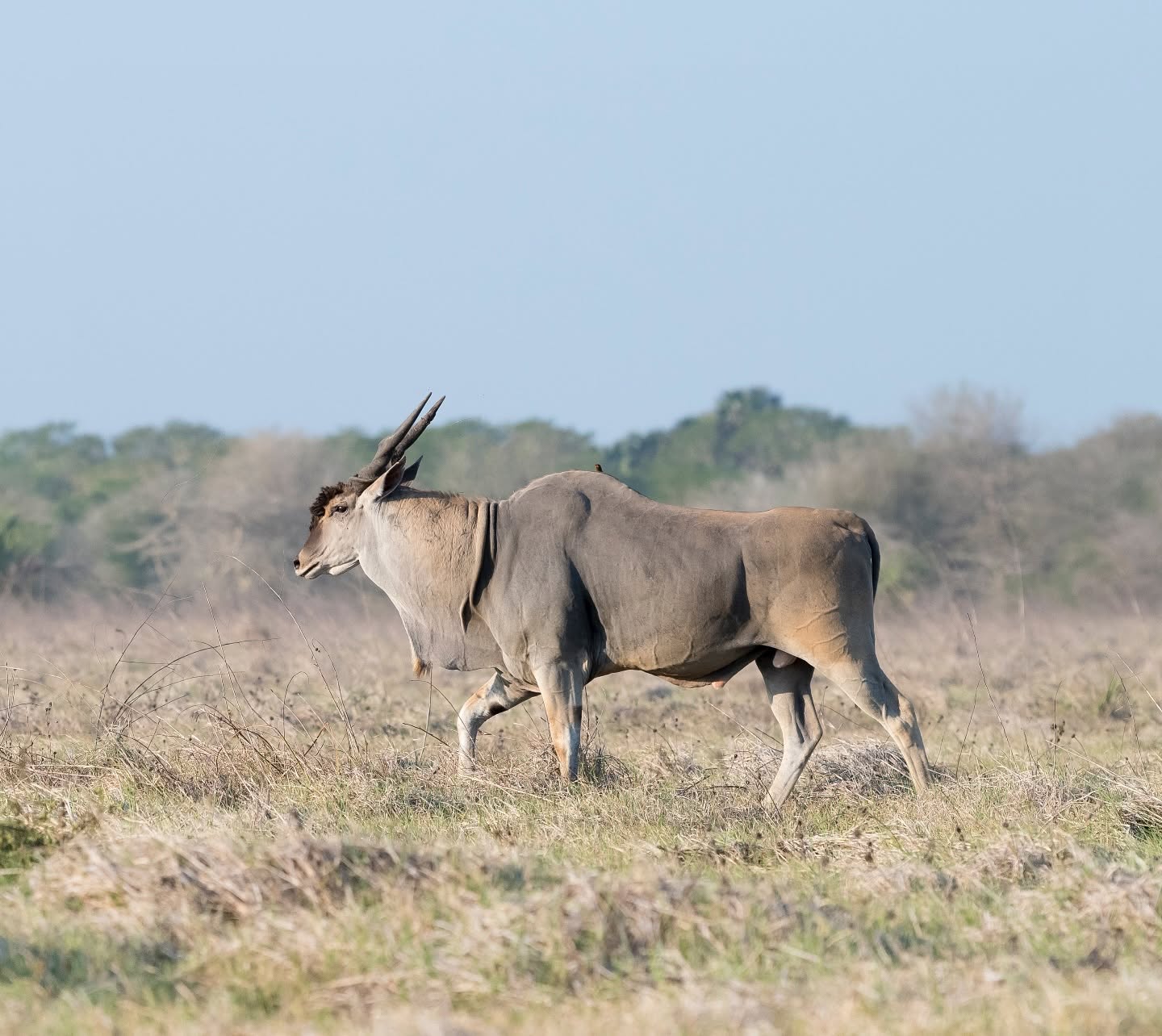
Mozambican safari operator Zambeze Delta Safaris wins conservation award at COP17
The full report
A Mozambican safari operator has won the 2026 Markhor Award for its contributions to conservation through sustainable wildlife management. Zambeze Delta Safaris, led by professional hunter Mark Haldane, received the award on Oct. 22, 2026, at the ongoing U.N. Biodiversity Conference, COP17, in Yerevan, Armenia. The company combines regulated trophy hunting with wildlife restoration, anti-poaching efforts and community development in an area of Mozambique that was devastated by the country’s civil war.
The award comes as governments at COP17 review progress toward global biodiversity targets adopted in 2022. One of them, Target 9, calls for sustainable wildlife management that also benefits communities. A new U.N. assessment warns that the world remains off track to meet its biodiversity commitments by the 2030 deadline. Astrid Schomaker, executive secretary of the Convention on Biological Diversity (CBD), welcomed the recognition.
According to the company’s award nomination, since Zambeze Delta Safaris began working in the region, the African buffalo population has risen from about 1,100 to 35,000, while sable antelopes have increased 100-fold from just 40 to 4,000. Twenty-four lions were reintroduced in 2018, roughly 120 live there now. Mongabay has not independently verified all the figures, although Mozambique’s Foundation for the Conservation of Biodiversity has documented substantial wildlife recovery.
Trophy hunting remains controversial amid questions about who benefits. A 2013 study conducted in Mozambique’s Niassa National Reserve found that a single leopard could generate approximately $24,000 in hunting revenue, however little of that money went back to local communities. However, a 2026 review of 89 studies across 13 sub-Saharan African countries found that nearly two-thirds of documented trophy-hunting outcomes were positive, for either wildlife or local people.
This report presents the named publisher’s account and has not yet been independently corroborated.
Continue reading
Politics desk ↗
‘You need persistence’: the Norfolk couple who took on environmental regulators three times – and won
A Norfolk couple's decade-long fight to protect a rare wetland has resulted in a landmark legal victory, with a high court judge ruling that environmental regulators failed in their duty to prevent pollution.

Older, calmer, but still playing the hits: Mourinho and Madrid primed for clásico
Mourinho returns to the Camp Nou for the first time in 13 years, seeking to bring down Barcelona in the highly anticipated clásico.

Can a £5.8bn scheme help revive Grimsby and other town centres?
Grimsby residents welcome new £5.8bn scheme to revive town centres