
Resurfaced Interview Highlights Decades-Old Stance From Key Iranian Official Amid US Diplomatic Push
A past interview from Iran's top security official has resurfaced as Washington pursues renewed discussions with Tehran.
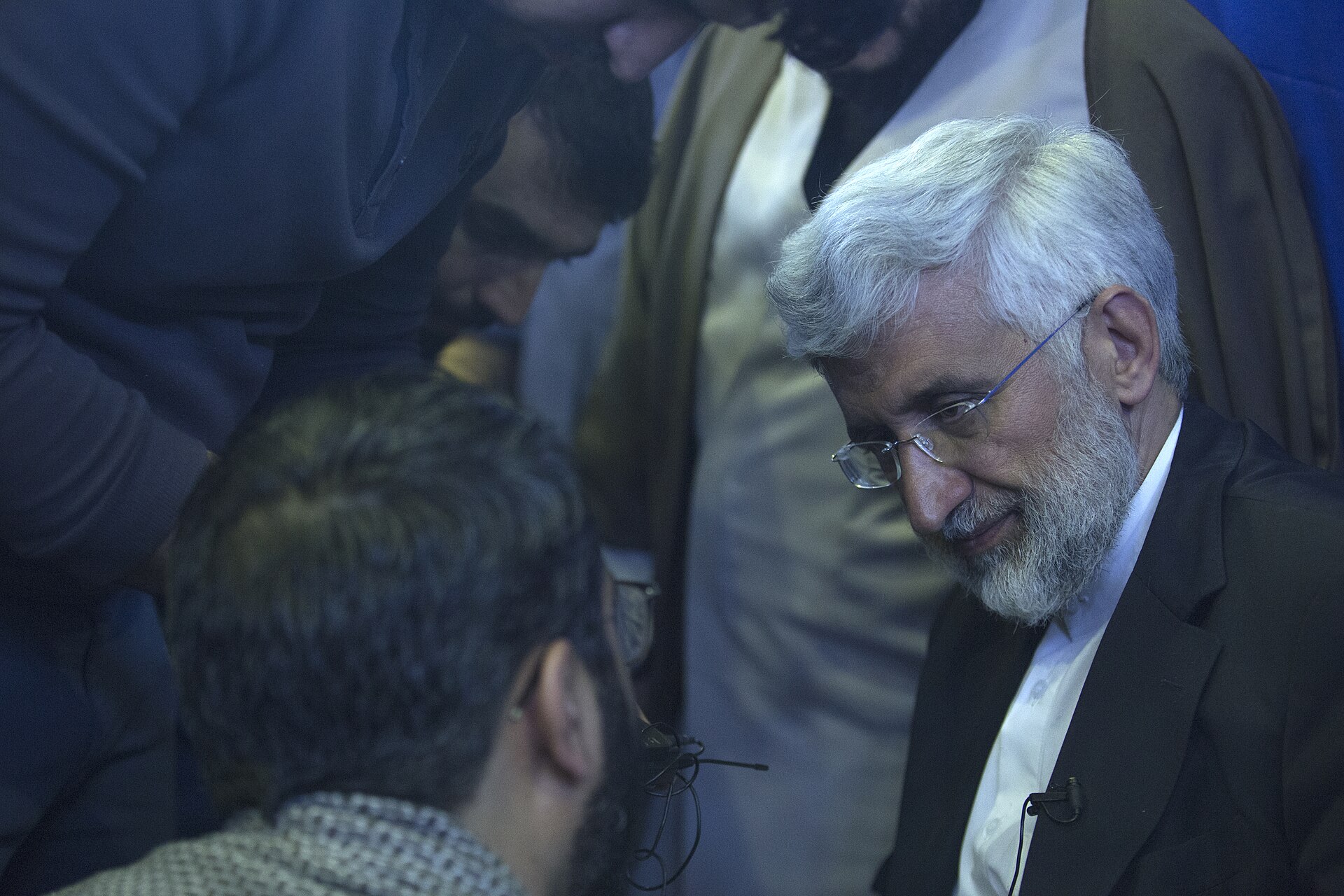
A past interview from Iran's top security official has resurfaced as Washington pursues renewed discussions with Tehran.
The story
A resurfaced 2006 interview featuring Mohsen Rezaei, secretary of Iran's Supreme National Security Council, indicates that wartime negotiations with Tehran could extend over decades. George Washington University's National Security Archive preserves an English translation of the interview, originally published in the Iranian publication Baztab, in which Rezaei stated that wartime talks could span thirty to forty years while both sides remained prepared for conflict.
Rezaei, a former commander of the Islamic Revolutionary Guard Corps who helped shape military strategy during the 1980-88 Iran-Iraq War, serves as a key aide to Supreme Leader Mojtaba Khamenei. In the resurfaced interview, he remarked that a ceasefire represents an unfinished war, recalling how the eight-year conflict with Iraq concluded after Ayatollah Ruhollah Khomeini accepted a United Nations-brokered ceasefire.
The publication of the historical remarks coincides with recent diplomatic approaches involving the United States and Iran. According to the Wall Street Journal, Vice President JD Vance sent a letter to Rezaei in October proposing renewed peace talks. Iranian state media acknowledged receiving the letter but stated that no response had been provided. The semi-official Tasnim News Agency reported that Iran awaits United States compliance with specific conditions, indicating that contradicting frameworks remain unacceptable.
A closer look
President Donald Trump stated during a C-SPAN interview that Iran desires an agreement, noting that the administration is evaluating whether a deal will materialize. Trump previously warned on Truth Social that delays would incur costs and remarked that potential future military actions could exceed previous strikes in scale.
Rezaei has maintained a critical stance toward Washington on social media, dismissing reports of active negotiations or planned meetings in Qatar as attempts to lower oil prices and alleviate economic pressure. He asserted that Tehran will not reopen the Strait of Hormuz until its seven conditions are fulfilled and previously called on Washington to accept terms outlined by Iran.
This report presents the named publisher’s account and has not yet been independently corroborated.
Continue reading
Defence desk ↗
US House Republicans Defeat Impeachment Resolution Targeting Defense Secretary
Legislators block a 34-page impeachment resolution against Defense Secretary Pete Hegseth, which cited military actions in Iran, Yemen, and Venezuela.
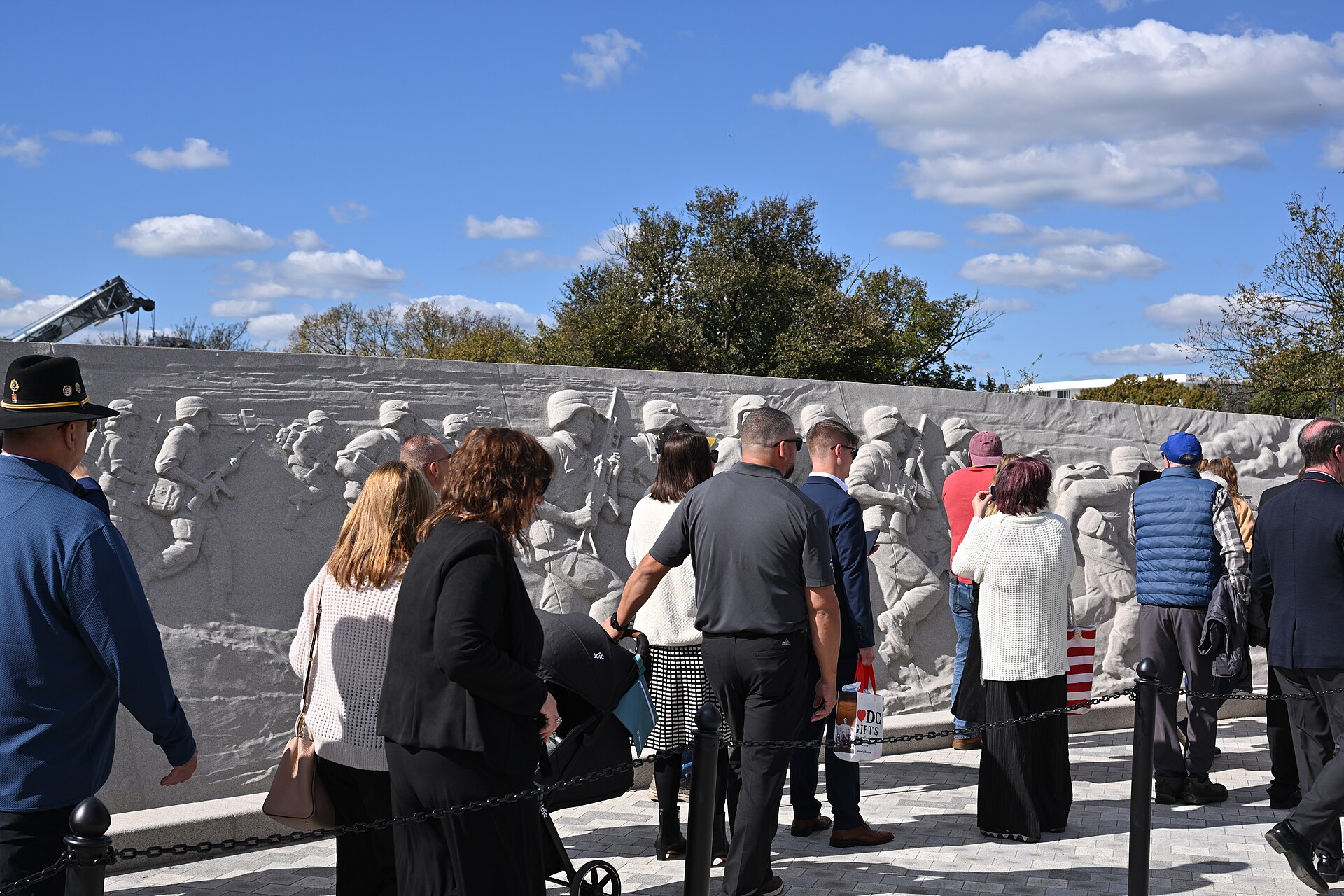
National Desert Shield and Desert Storm Memorial Opens After Decades-Long Advocacy
A Marine veteran's 16-year campaign culminates in the opening of a privately funded memorial on the National Mall honoring Gulf War service members.
US House blocks impeachment resolution against Defense Secretary Pete Hegseth
Lawmakers vote to refer the impeachment articles to a committee, effectively halting the effort introduced by Republican Representative Thomas Massie.