Japan launches first mission to collect samples from Martian moon
Japan launches mission to collect samples from Martian moon Phobos
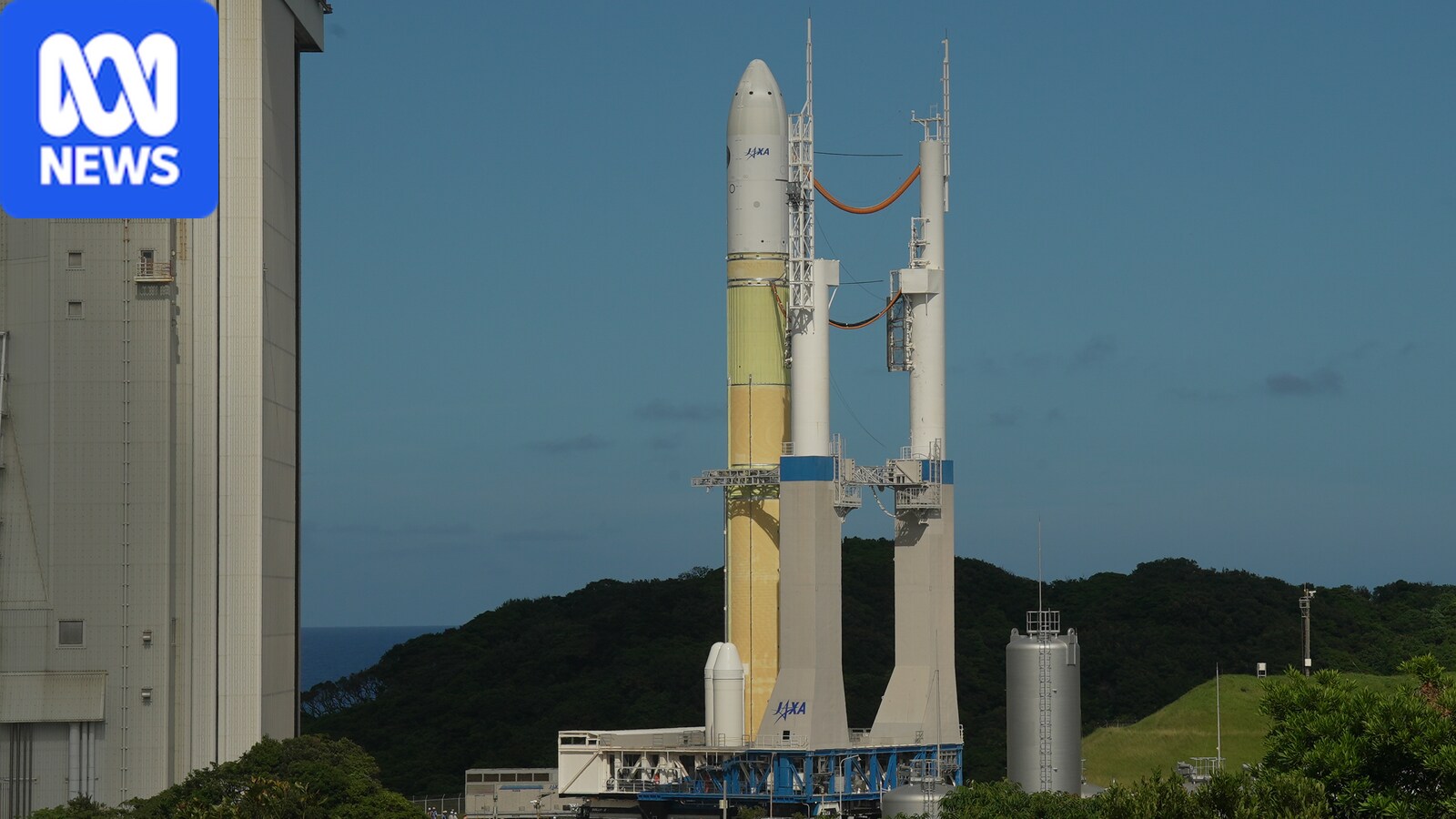
Japan launches mission to collect samples from Martian moon Phobos
The full report
Japan has launched a space rocket to study one of Mars' moons for the first time, according to ABC News — Top Stories. The five-year mission, led by the Japan Aerospace Exploration Agency (JAXA), aims to better understand the origin of water and organic matter on Mars.
The Martian Moons eXploration (MMX) spacecraft will spend a year travelling to the Martian sphere, where it is set to arrive in 2027. It will then enter a quasi-satellite orbit around the moon, Phobos, and conduct observations of the moon.
The mission will attempt two 'soft landings' on Phobos, with a rover collecting at least 10 grams of sand at a depth of about 2 centimetres. The samples will be brought back to Earth, with the capsule expected to land in South Australia.
The MMX spacecraft will study how Mars and its moons formed, providing new insights about the origin of water and organic materials on Mars. The mission is also seen as a stepping stone for potential human exploration in the future.
The Japan Aerospace Exploration Agency (JAXA) has stated that collecting samples from Phobos is extremely difficult due to its weak gravity. The MMX project team is working to overcome this challenge and successfully collect the samples.
Continue reading
World desk ↗
Barber denies heroism over Haines attack, hails person who sat in front of car
Wangaratta barber denies heroism over Haines attack, hails bystander

Cindy Crawford 'beyond heartbroken' to lose son Presley Gerber
Cindy Crawford and family pay tribute to late son Presley Gerber

'Like we had a war': France counts cost of violent protests
Violent protests in France result in widespread damage and arrests.