
President Herzog to Invite Opposition Leader Gadi Eisenkot for Coalition Talks
Israel’s president will decide whether to task Gadi Eisenkot, the main rival to Benjamin Netanyahu, with the first round of coalition negotiations after a fragmented election result.
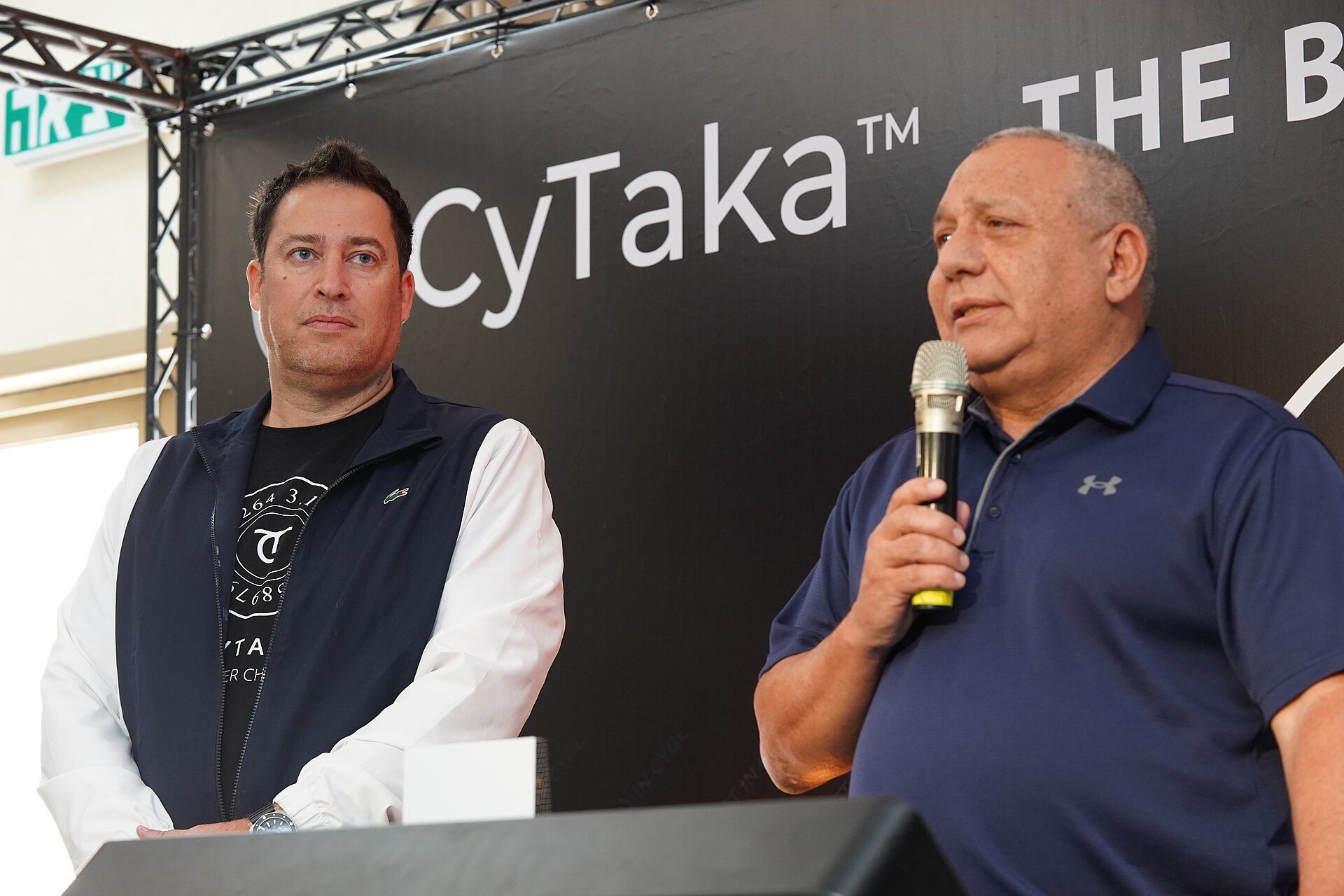
Israel’s president will decide whether to task Gadi Eisenkot, the main rival to Benjamin Netanyahu, with the first round of coalition negotiations after a fragmented election result.
The story
Israel’s president, Isaac Herzog, is expected to announce on Sunday whether he will ask Gadi Eisenkot, leader of the Yashar party and former chief of staff of the Israeli Defence Forces, to begin talks on forming a new coalition government. The decision follows a parliamentary election in which neither Prime Minister Benjamin Netanyahu’s Likud‑led bloc nor the opposition secured a majority of seats.
The election produced a divided Knesset, with Netanyahu’s right‑wing alliance and Eisenkot’s “change” camp each falling short of the 61 seats required for a governing majority. Under Israel’s parliamentary system, the president consults party representatives to determine which leader is most likely to assemble a stable coalition, and then grants that leader the first opportunity to negotiate with other parties.
Eisenkot’s coalition partners – the Yashar party, Together, Yisrael Beiteinu and the Democrats – have publicly recommended that he be given the initial mandate. In contrast, Netanyahu’s Likud party, along with the far‑right Otzma Yehudit, Religious Zionism, and the ultra‑Orthodox Shas party, have urged that the incumbent prime minister receive the first chance to form a government. United Torah Judaism, another ultra‑Orthodox faction, has not taken a position.
A closer look
Outside the president’s residence in central Jerusalem, two groups of demonstrators gathered while the consultations were underway. One group called for a unity government that would include both Netanyahu and Eisenkot, while a larger crowd advocated for a Jewish‑Arab coalition to bring stability to the country. The protests reflect the polarized political environment and the uncertainty surrounding the timeline for a new government.
If Eisenkot is appointed to start the coalition process, he will need to negotiate with a range of parties across the political spectrum, including those that have expressed opposition to his leadership. Analysts note that the negotiations could take several weeks, given the fragmented nature of the Knesset and the competing demands of both right‑wing and centrist factions.
This report presents the named publisher’s account and has not yet been independently corroborated.
Continue reading
Defence desk ↗
Hoax bomb alerts disrupt dozens of European flights
At least 27 flights were diverted or cancelled on Thursday after bomb threats proved to be false, prompting emergency landings and evacuations across several countries.
One Nation requires donors at $3,000 fundraiser to sign confidentiality agreements
The party’s Sydney event asks attendees to sign non‑disclosure agreements, prompting criticism ahead of the Victorian state election.
Former Police Officer Testifies He Left Scene After Seeing Ex‑Partner in Intimate Encounter
Beau Lamarre‑Condon told a NSW Supreme Court jury he froze and departed when he saw Jesse Baird with another man, denying that he remained to watch or photograph the incident.