I work for a major insurer. Much of my industry is fudging the numbers in the face of the climate crisis | Anonymous
Insurers are taking on more risk than they should in the face of the climate crisis, according to an anonymous industry expert.
Insurers are taking on more risk than they should in the face of the climate crisis, according to an anonymous industry expert.
The full report
The world is facing greater risk than ever from extreme weather, with natural disasters becoming more frequent and unpredictable due to the warming global climate. Insurers are taking on more risk than they should, with some companies pressuring their modellers to cut their forecasts for the losses that disasters will cause in order to make insurance more affordable and gain more business.
The anonymous industry expert, who works for a major insurer, claims that the questioning of numbers and models is often done to artificially lower prices, rather than to produce more accurate models. This can lead to a sector built on 'competitively priced' contracts that underestimate risk, leaving gaping holes in the safety net that insurance is supposed to provide.
The expert warns that if insurers withdraw from affected areas, the economy will be left in freefall and people's day-to-day lives will be ruined. They also point out that the long-term effects of natural disasters will be compounded, with the immediate impact being plain to see but the long-term effects being more severe.
The industry expert believes that the attitude of much of the industry towards modellers, actuaries, and researchers is a major concern. They are seen as an inconvenience to the deal-making process, rather than an essential part of risk management. This can lead to reckless gambling and damage to insurers, companies, their employees, and the communities that rely on them.
The expert concludes that customers are likely to be much more exposed to climate-related risks than they realise, and that people are not budgeting for a major increase in their insurance premiums or planning for their homes becoming uninsurable. This could have profound consequences for the economy as a whole, including businesses going bankrupt, the housing market seizing up, and banks failing.
This report presents the named publisher’s account and has not yet been independently corroborated.
Continue reading
Politics desk ↗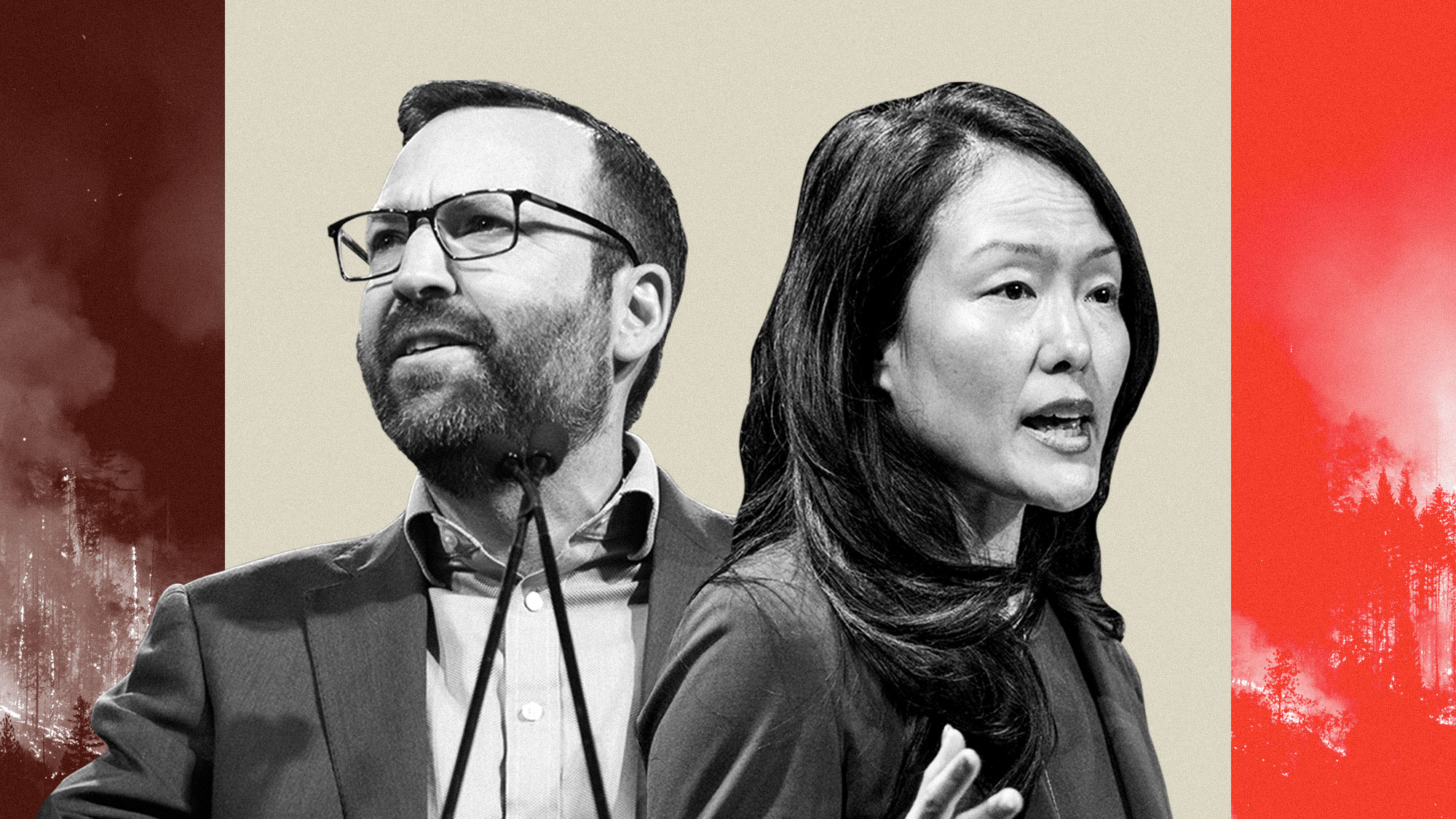
After a decade of wildfires, an overlooked election could shape California’s climate future
California's insurance commissioner election could shape the state's climate future.
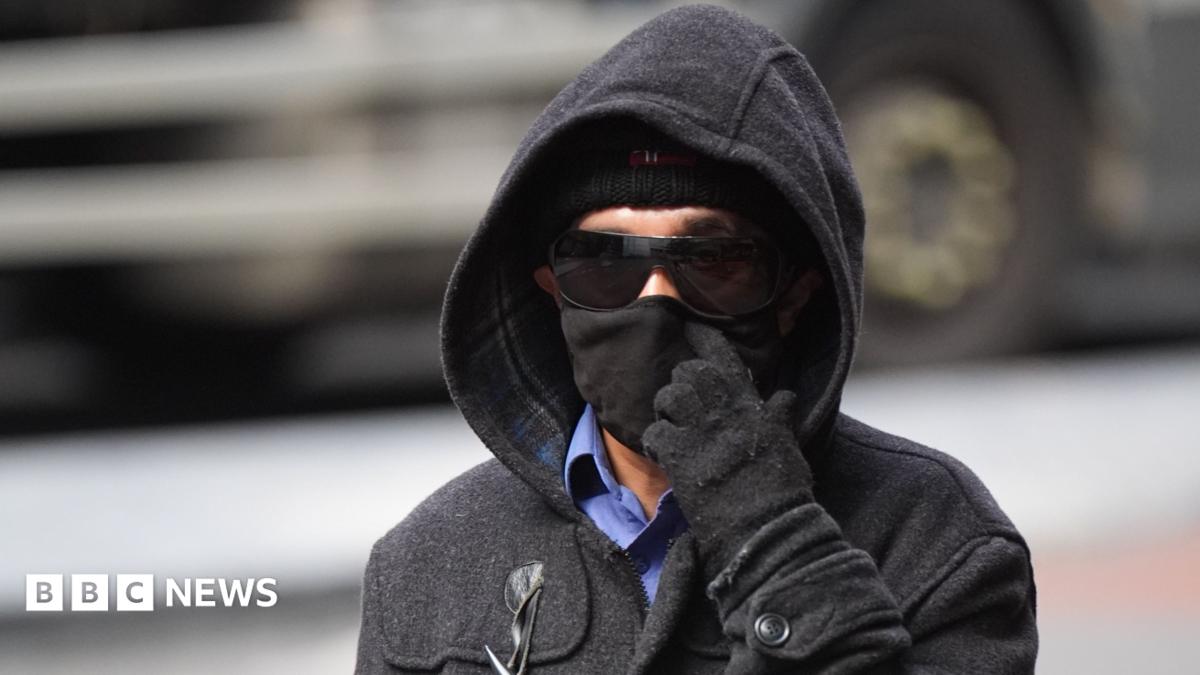
Civil servant faked illness with make-up to juggle five jobs, court hears
Civil servant accused of juggling five jobs and earning £350,000
UK government apologises for past burials of stillborn babies in mass graves
UK government apologises for past burials of stillborn babies in mass graves