
Energy costs and regional cooperation dominate agenda at Manila ASEAN summit
Leaders gathering in the Philippines focus on fuel price spikes, strategic petroleum reserves and power‑grid integration as the bloc confronts global market disruptions.
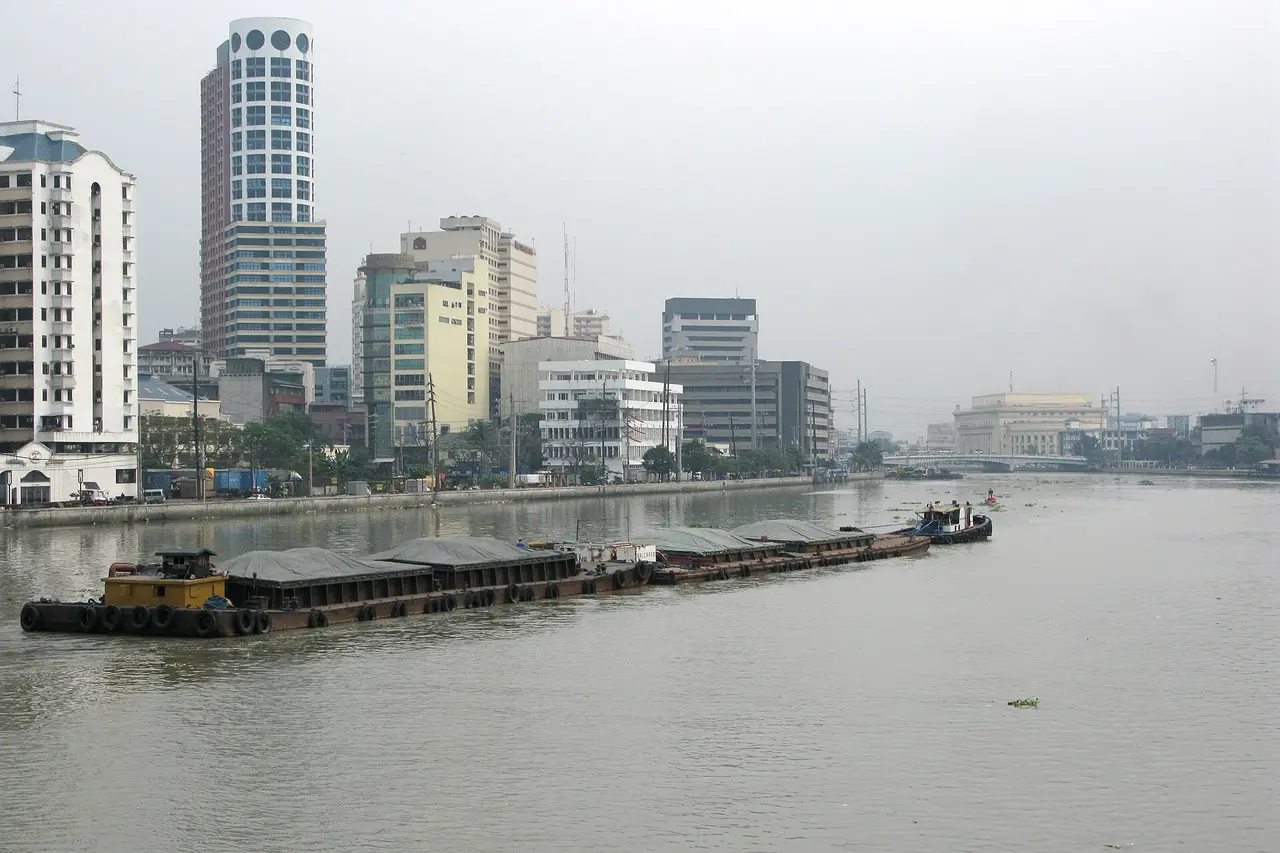
Leaders gathering in the Philippines focus on fuel price spikes, strategic petroleum reserves and power‑grid integration as the bloc confronts global market disruptions.
The story
World leaders arrived in Manila for the Association of Southeast Asian Nations (ASEAN) summit amid heightened concerns over rising fuel prices. Jeepney drivers, a key component of the Philippines’ public transport network, staged protests citing the impact of higher fuel costs that stem from the ongoing war in the Middle East.
The summit, held in the Philippine capital, is set against a backdrop of broader geopolitical tension, with the United States, China and the Quad partnership (India, Japan, Australia and the United States) all expected to play roles in subsequent regional meetings. Organisers indicated that the gathering will shape diplomatic priorities before the leaders travel to the upcoming APEC summit in China.
Energy security emerged as a central theme. The conflict in Iran and related volatility in global oil markets have amplified the region’s reliance on Middle‑East supplies. Hunter Marston, South‑East Asia program director at the Lowy Institute, described the situation as “massive,” noting that it has triggered protests and created “enormous headaches for political leaders.”
A closer look
ASEAN officials highlighted two long‑term initiatives aimed at bolstering resilience: the development of a strategic petroleum reserve and the creation of an ASEAN power grid that would link electricity infrastructure across member states. Both measures are intended to reduce vulnerability to external supply shocks.
Philippines Secretary of Foreign Affairs Theresa Lazaro reiterated the bloc’s commitment to collaborative solutions, emphasizing that energy cooperation remains a priority for regional stability. Discussions also touched on broader economic and security challenges, though specific outcomes are expected to be detailed in follow‑up meetings.
Analysts observe that the summit’s focus on infrastructure and resource sharing reflects a shift toward collective risk mitigation, a trend that may influence future policy directions within Southeast Asia and its external partners.
This report presents the named publisher’s account and has not yet been independently corroborated.
Continue reading
Environment desk ↗
Global Fossil Fuel Emissions Projected to Drop Slightly Amid Renewable Growth and Conflict
A comprehensive scientific assessment indicates that fossil fuel emissions will decline slightly in 2026, driven by renewable energy expansion and geopolitical conflict, though researchers caution that the trend may be temporary.

UN climate talks open in Turkey as officials warn fossil fuel costs drive global inflation
Delegates from nearly 200 countries gather in Turkey for the Cop31 summit amid mounting pressure over accelerating global heating and economic shocks.

Global Leaders Gather in Antalya for COP31 Climate Negotiations
Delegates from around the world have convened in Turkey for the United Nations’ 31st Conference of the Parties, focusing on implementation and existing commitments rather than sweeping new agreements.